
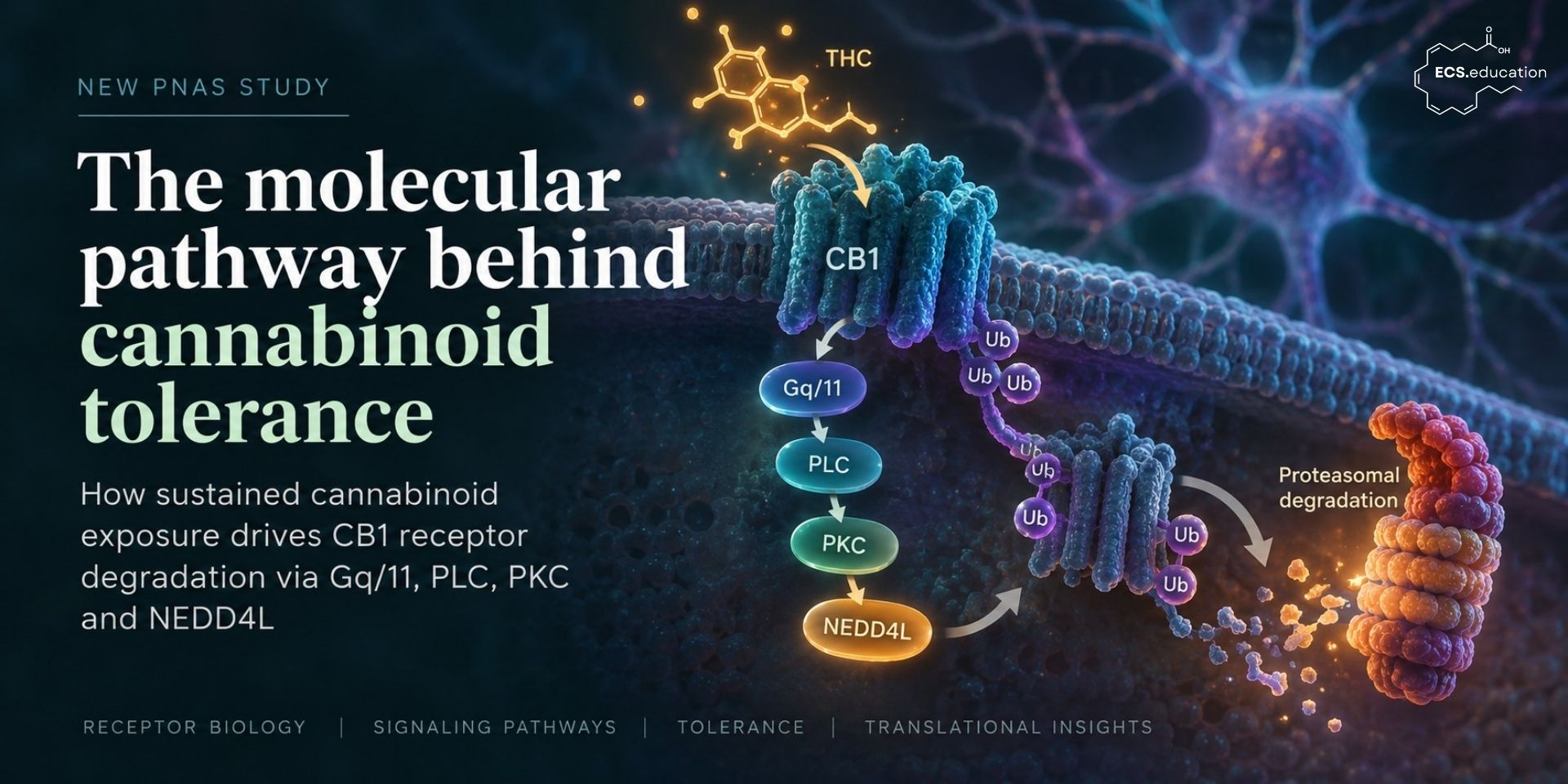
A new PNAS study identifies a previously underappreciated Gq/11–PLC–PKC–NEDD4L pathway that marks CB1 receptors for proteasomal degradation. The findings help explain how repeated THC exposure can reduce receptor availability and contribute to cannabinoid tolerance.
Commentary
Read more
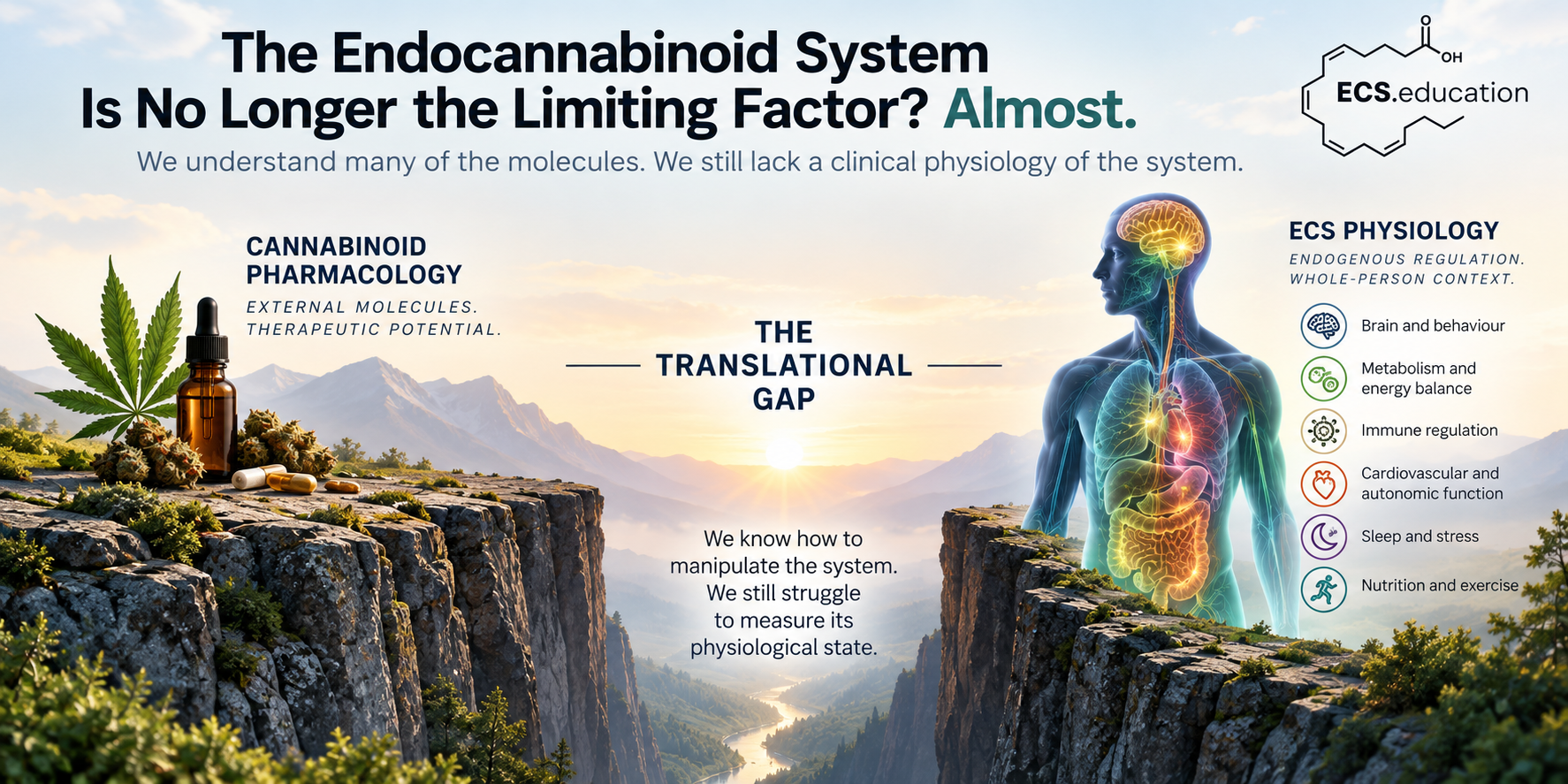
The Endocannabinoid System Is No Longer the Limiting Factor? Almost.
A new review argues that policy and stigma, rather than lack of ECS science, are now the main barriers to cannabinoid medicine. I agree, but an important gap remains: medicine still lacks a practical clinical physiology of the endocannabinoid system.
Endocannabinoid System (ECS)
Read more
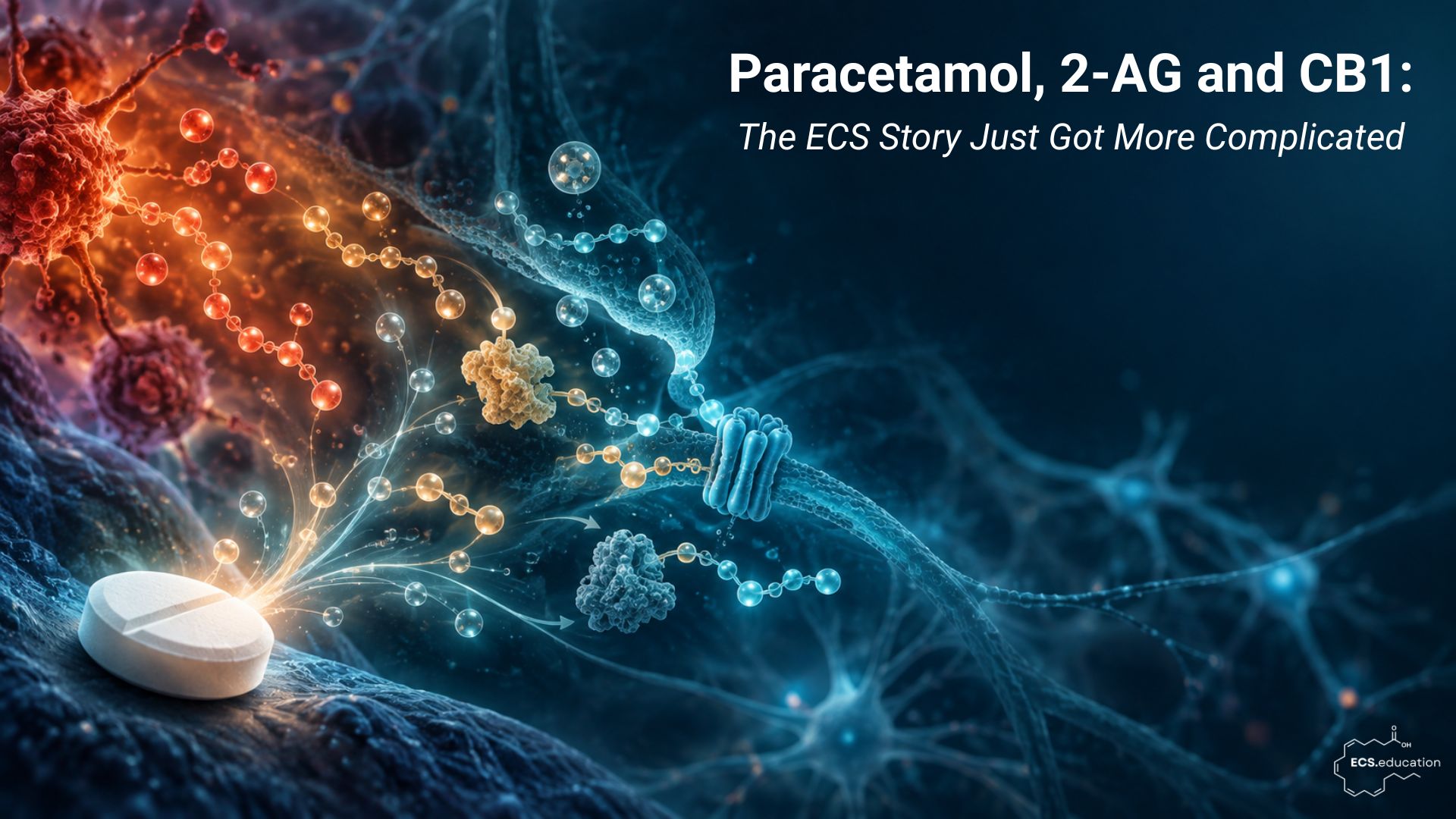
Paracetamol, 2-AG and CB1: The ECS Story Just Got More Complicated
New mouse research reveals that paracetamol’s pain-relieving effects depend on CB1 receptors and the enzymes DAGL and MAGL, while reshaping prostaglandin and wider lipid signalling.
Endocannabinoid System (ECS)
Read more
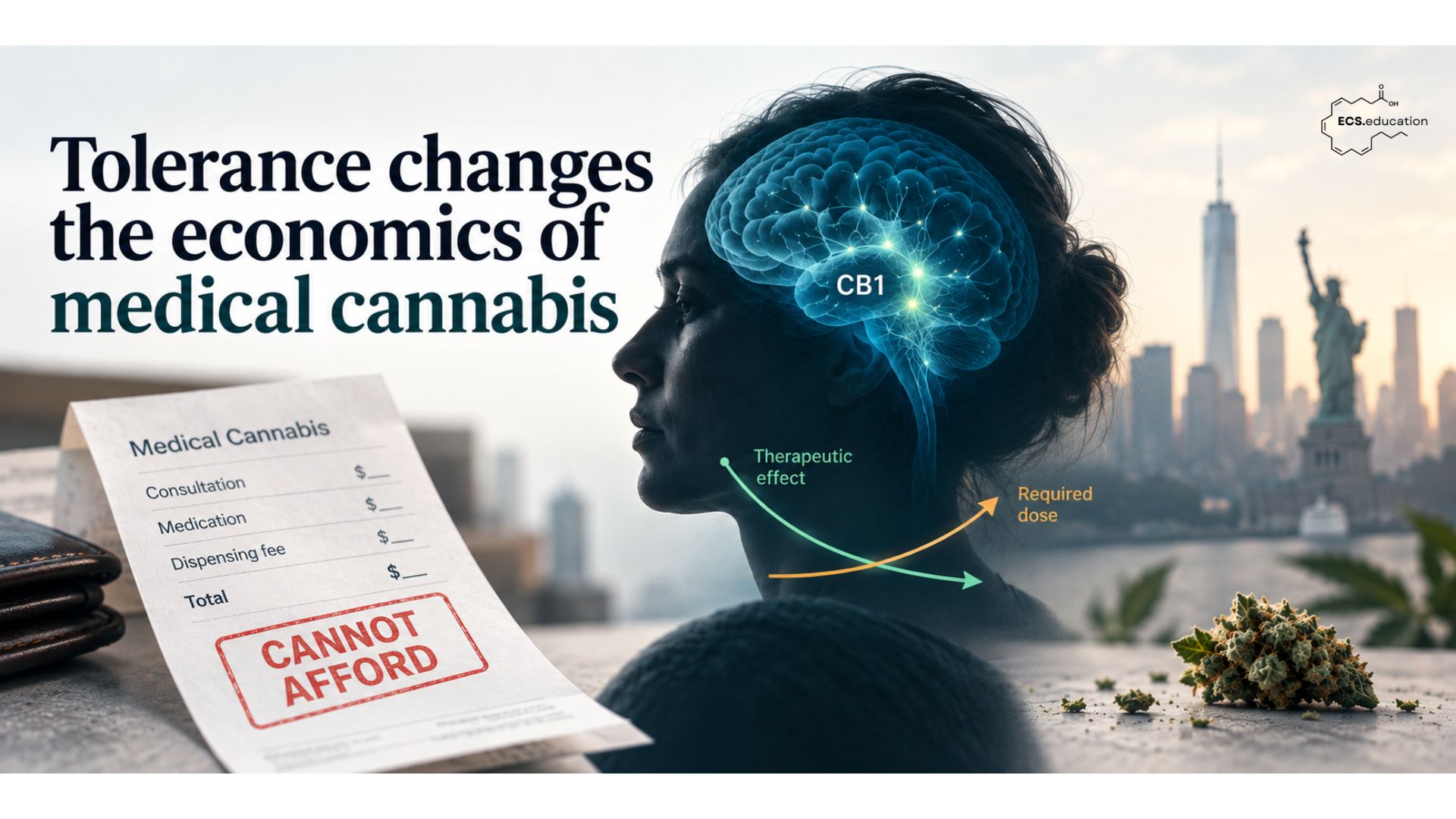
Tolerance changes the economics of medical cannabis
A New York study found that 49% of surveyed medical cannabis patients could not afford enough cannabis to manage their symptoms. This article examines a missing variable in the affordability debate: whether chronic high-THC exposure, tolerance and CB1 adaptation may increase the amount of cannabis required for sustained therapeutic effect.
Announcements
Read more
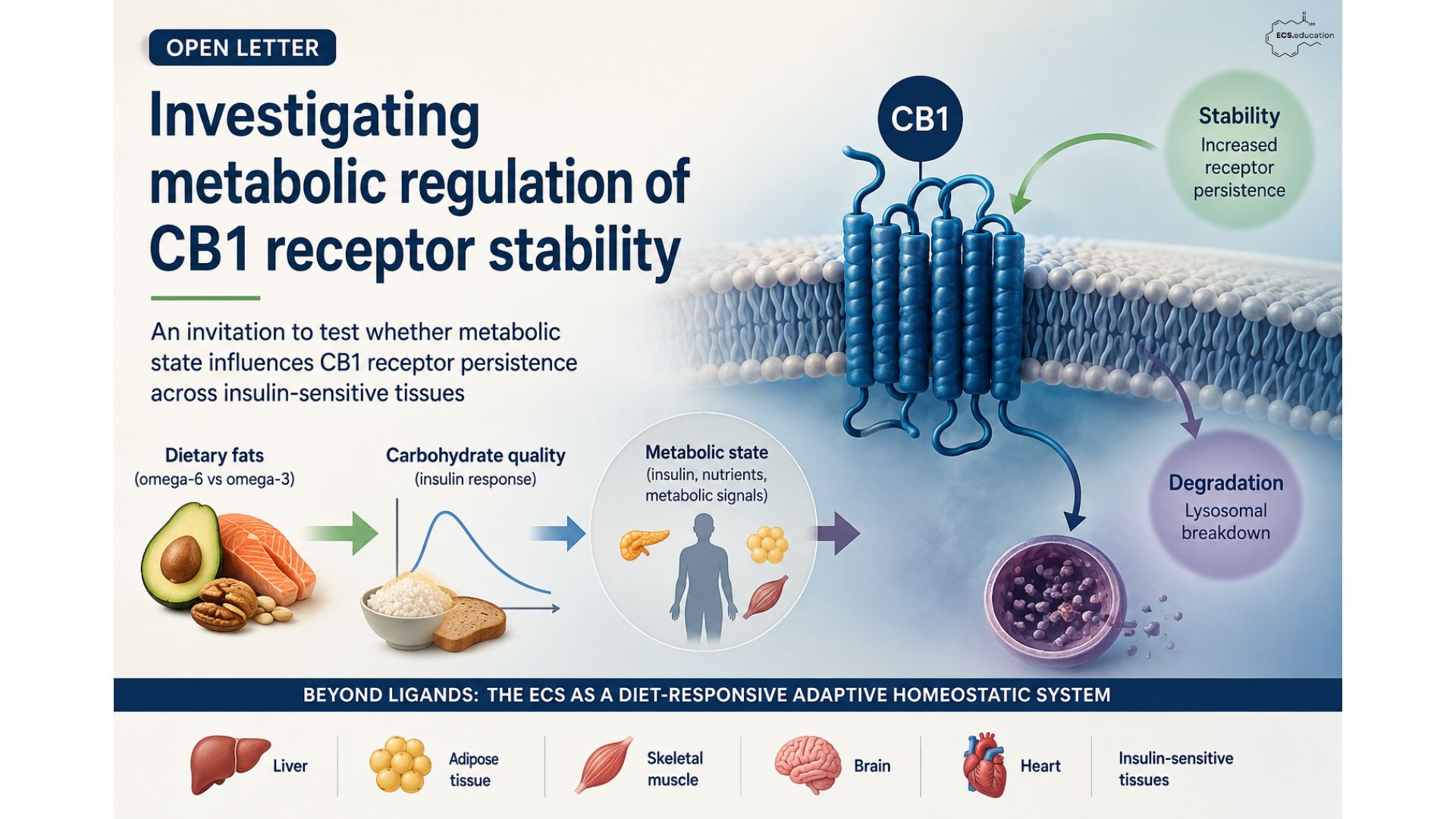
Open letter to CB1 researchers
An open letter inviting researchers to investigate whether metabolic state influences CB1 receptor stability, trafficking and degradation across insulin-sensitive tissues, and whether this represents a broader principle of endocannabinoid system regulation.
Commentary
Read more
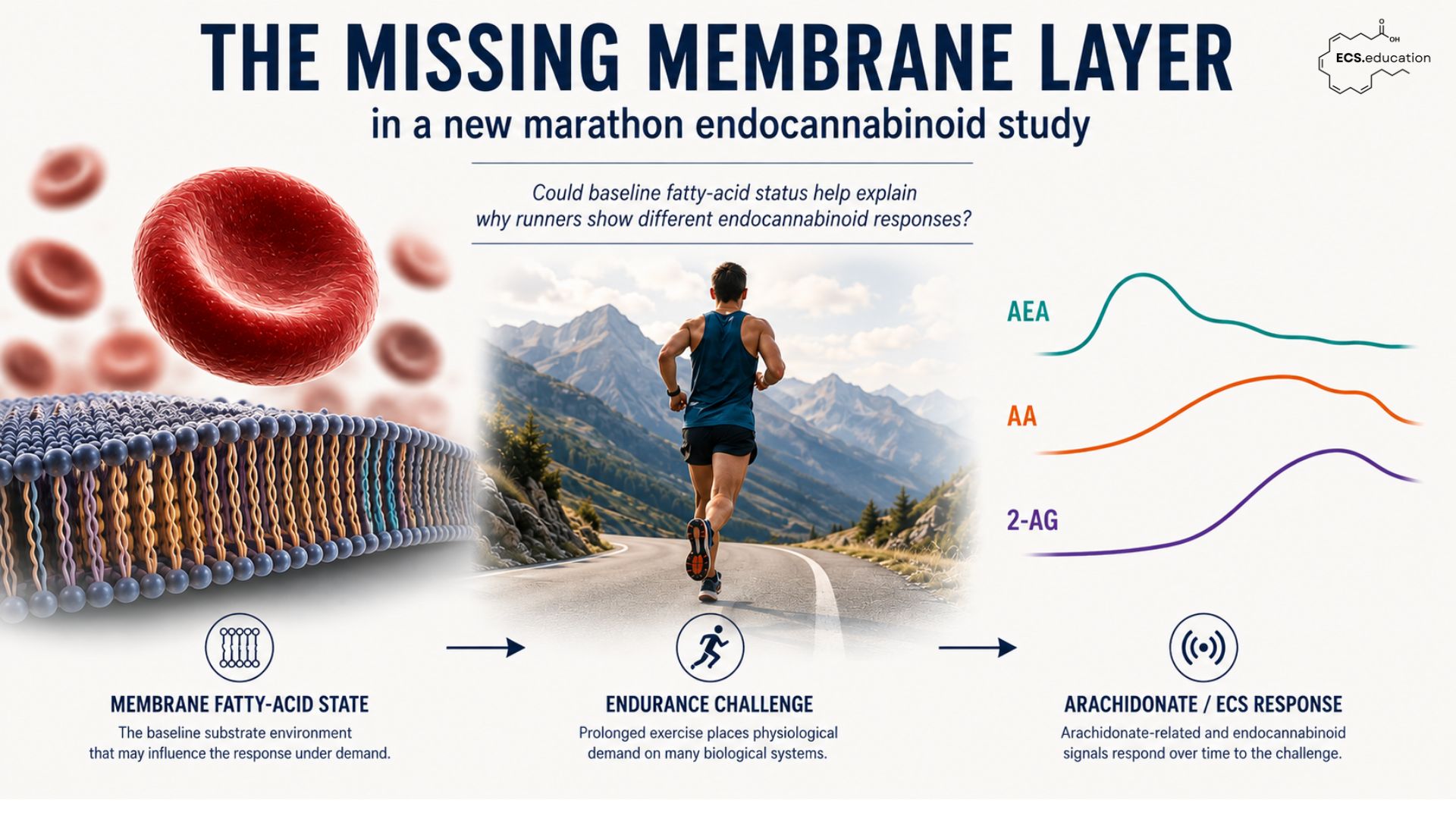
The missing membrane layer in a new marathon endocannabinoid study
A new BMC Medicine study shows that marathon running triggers distinct temporal changes in anandamide, 2-AG and arachidonic acid. The missing piece may be the runners’ membrane fatty-acid state before exercise.
Endocannabinoid System (ECS)
Read more
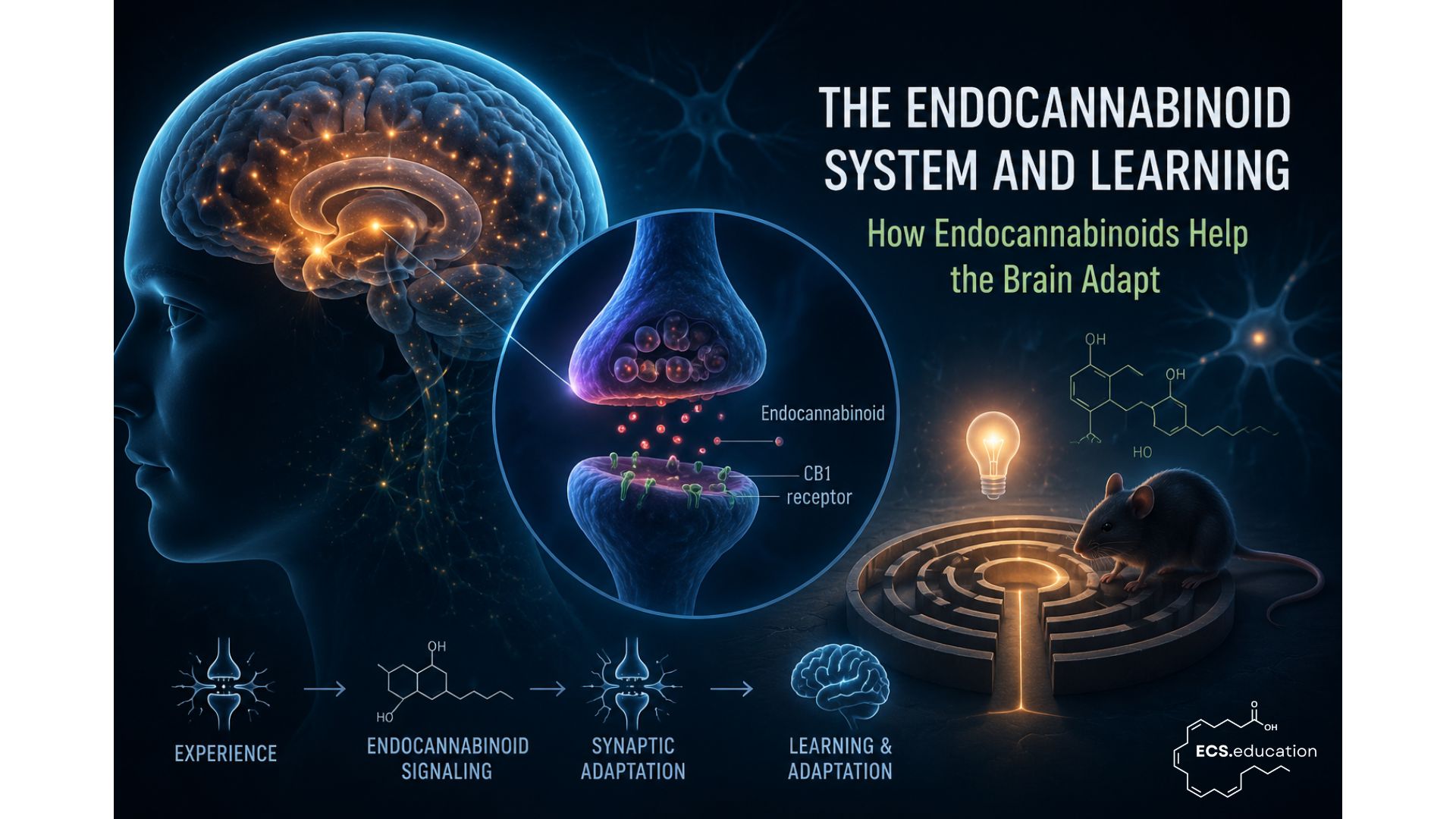
How the Endocannabinoid System Helps the Brain Adapt and Learn
The Endocannabinoid System and the Biology of Learning: How Endocannabinoids Help the Brain Adapt Why one-shot learning matters for survival Imagine touching a hot surface for the first time. The experience lasts only a moment, but the lesson can last a lifetime. The brain does not need repeated exposure to…
Endocannabinoid System (ECS)

Read more
The Western Diet Has a Hot ECS — but Clinical Medicine Isn’t Paying Attention
A new study (Powers et al., 2026) just confirmed something that should change the way we talk about diet and health—not just heart health, but brain health, metabolism, and, if you’ve been following this site, endocannabinoid health, too. When you look at red‑blood‑cell fatty acids, you’re not seeing a niche…
Endocannabinoid System (ECS)
Read more
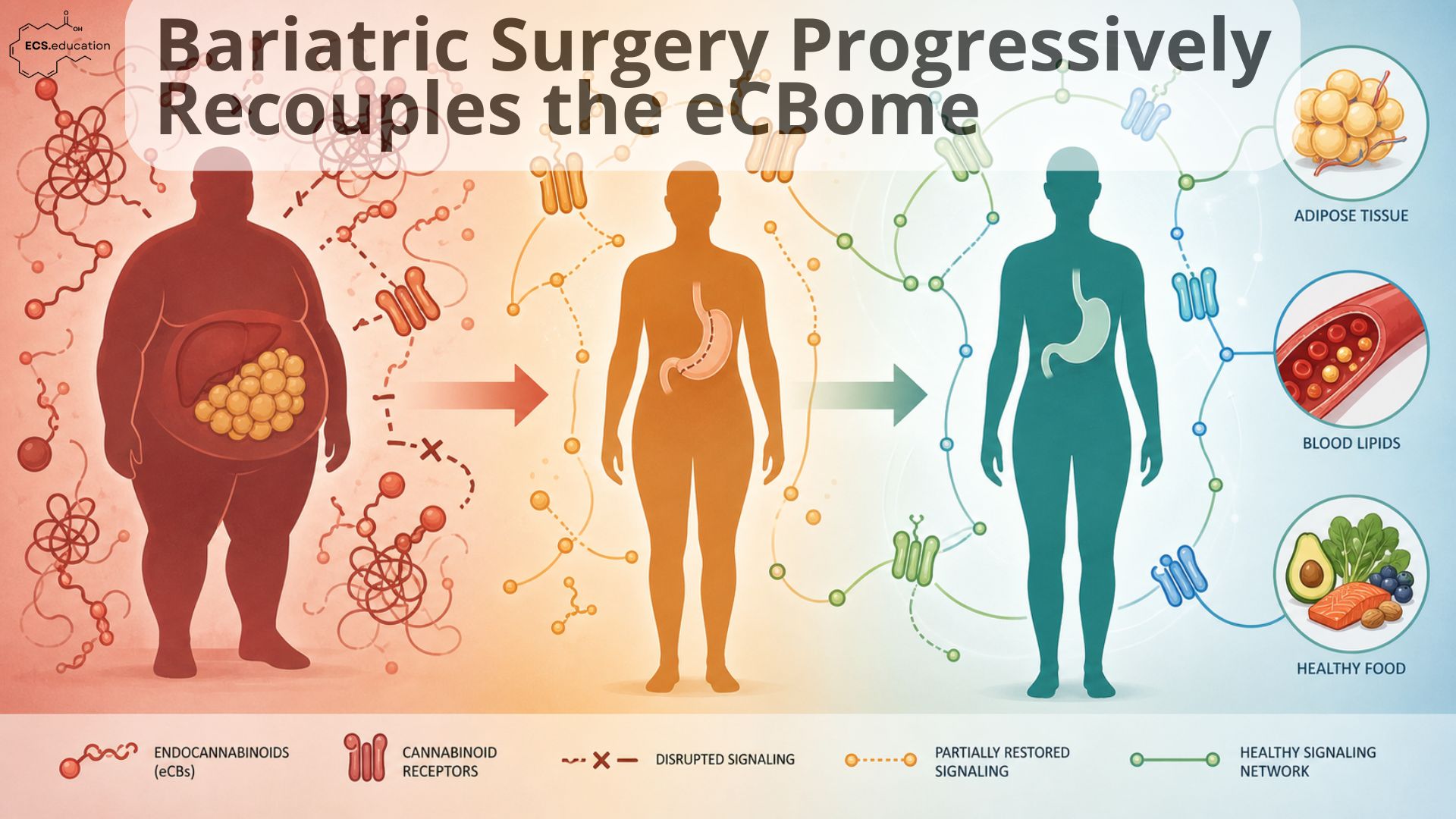
Bariatric Surgery Progressively Recouples the eCBome
How Bariatric Surgery Recouples the Endocannabinoidome For years, obesity has been framed as a simple problem of “too many calories in, not enough out.” The endocannabinoidome (eCBome) tells a different story. In severe obesity, the lipid‑signaling network that should help regulate appetite, energy balance and metabolic health is present, but…
Endocannabinoid System (ECS)
Read more
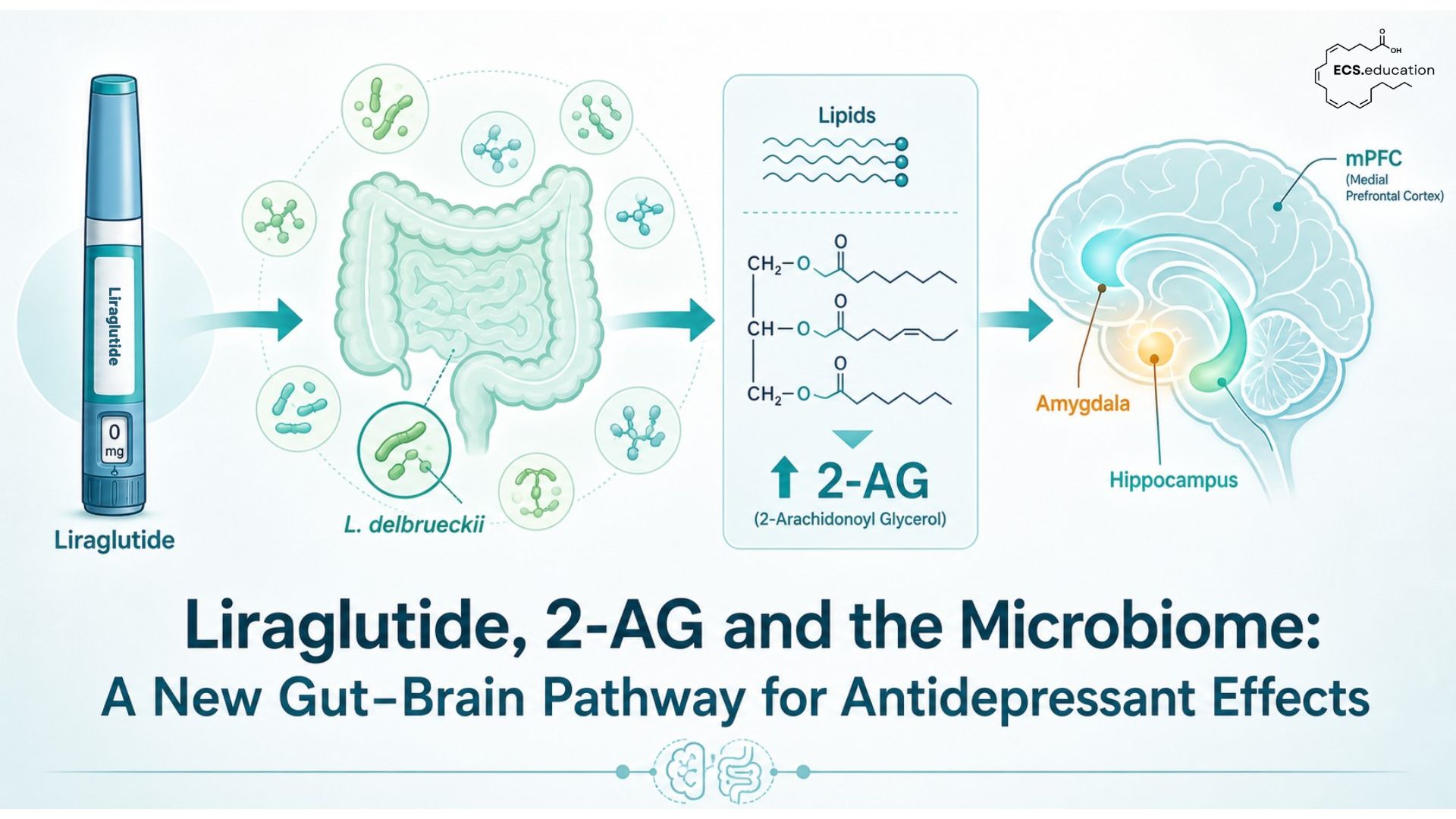
Liraglutide, 2‑AG and the Microbiome: A New Gut–Brain Pathway for Antidepressant Effects
From metabolic drug to mood modulator A new paper in Cell Host & Microbe has just delivered one of the most compelling mechanistic stories yet for how the endocannabinoid system (ECS) links metabolic drugs, the gut microbiome, and mood regulation. The study shows that the antidepressant effects of the GLP‑1…