
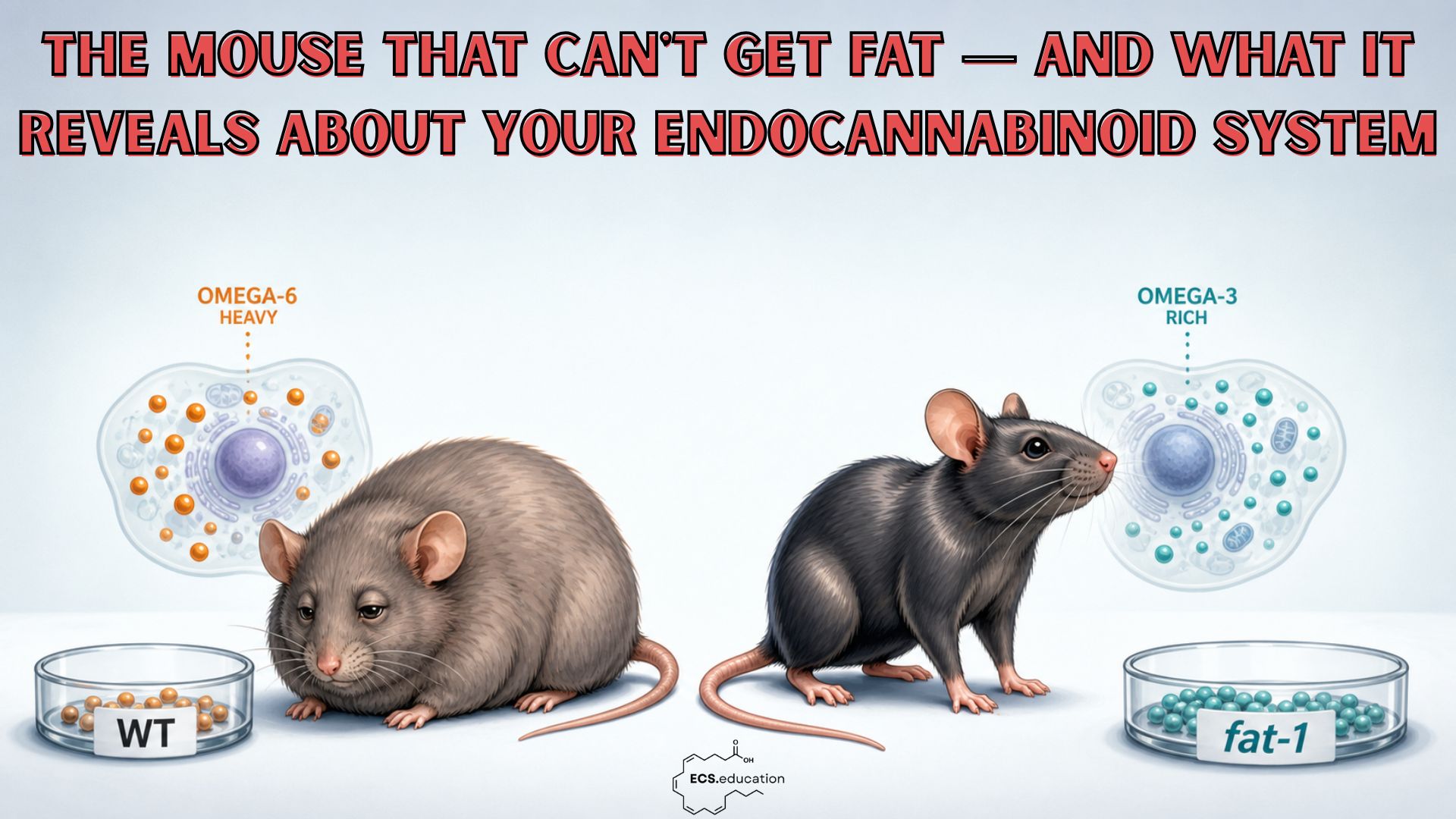
There is a mouse that refuses to follow the script. Feed it a high-fat Western diet for sixteen months and it stays leaner, its gut stays tighter, its blood stays cleaner, and its cells age more slowly. Not because of a drug. Because of one change: the balance of fats…
Endocannabinoid System (ECS)

Read more
ECS Literacy in Medicine: Why It Makes Better Doctors
What happens to clinical reasoning when a physician understands the endocannabinoid system? Seven conditions, two kinds of doctors, and the reasoning gap that a better curriculum could close.
Endocannabinoid System (ECS)
Read more
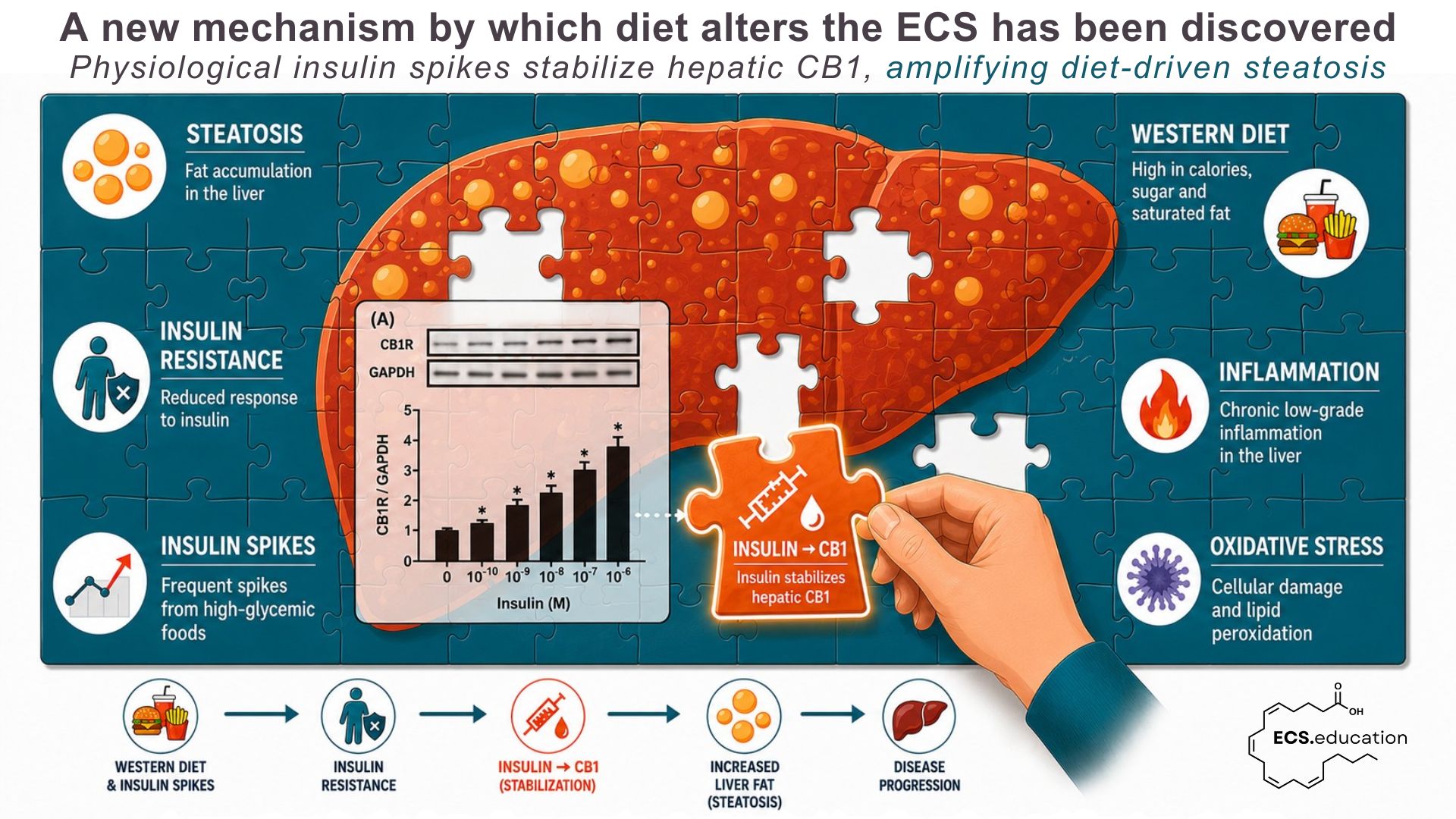
How Poor Diet and Insulin Spikes Disrupt the Endocannabinoid System and Drive Fatty Liver
Scientists have identified a new mechanism linking everyday diet to endocannabinoid system (ECS) dysfunction: normal post‑meal insulin spikes can increase CB1 receptors in the liver by about 50% by slowing their lysosomal recycling. Together with an omega‑6‑heavy fat intake, this amplifies diet‑driven steatosis and helps explain how common foods drive fatty liver disease.
Critical analysis
Read more
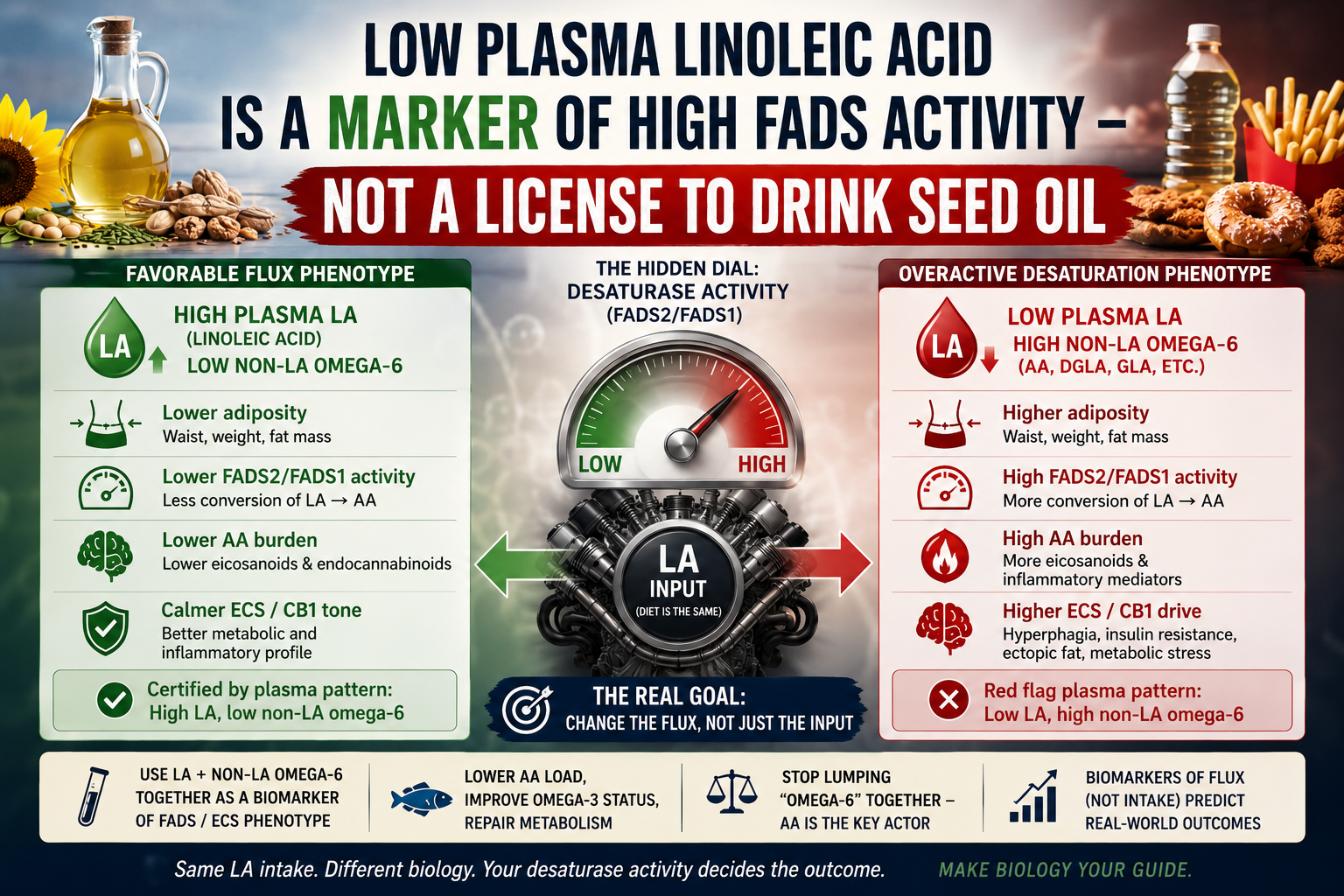
Low plasma linoleic acid is a marker of high FADS activity – not a license to drink seed oil
A new UK Biobank paper on omega‑6 and adiposity just landed, and if you only read the abstract, you’d think the story was simple: higher linoleic acid (LA) in plasma is “protective” against obesity and therefore we should be recommending more LA‑rich oils to everyone. Look one level deeper, and…
Endocannabinoid System (ECS)
Read more
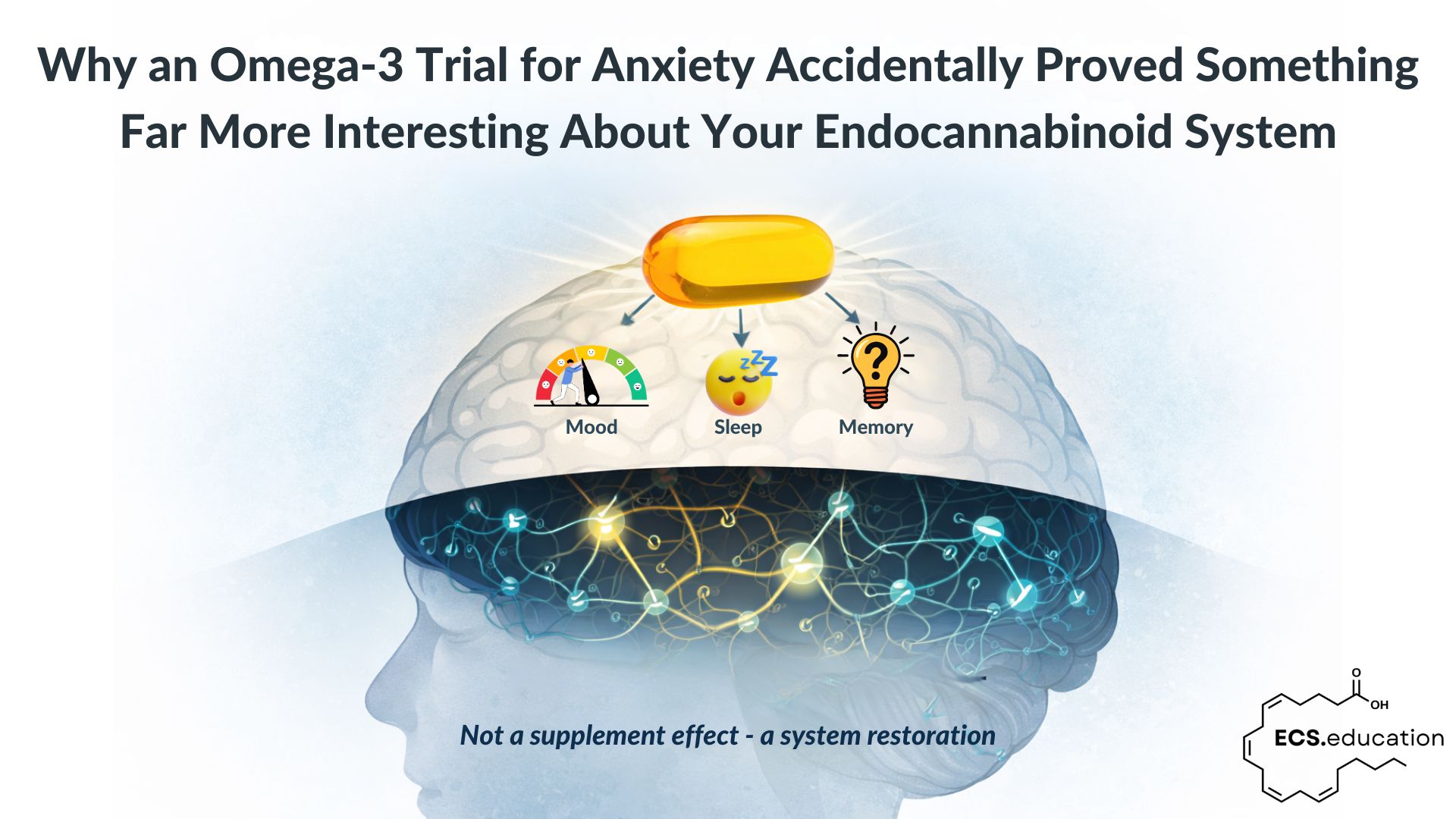
Why an Omega-3 Trial for Anxiety Accidentally Proved Something Far More Interesting About Your Endocannabinoid System
A new randomised, double-blind, placebo-controlled trial published in the Journal of Affective Disorders set out to test whether omega-3 supplementation improves stress, anxiety, depression, sleep quality, and memory in people with severe psychological distress (Azhar et al., 2025). The trial was conducted on a Saudi population, was reasonably well-designed, and produced striking…
Endocannabinoid System (ECS)
Read more
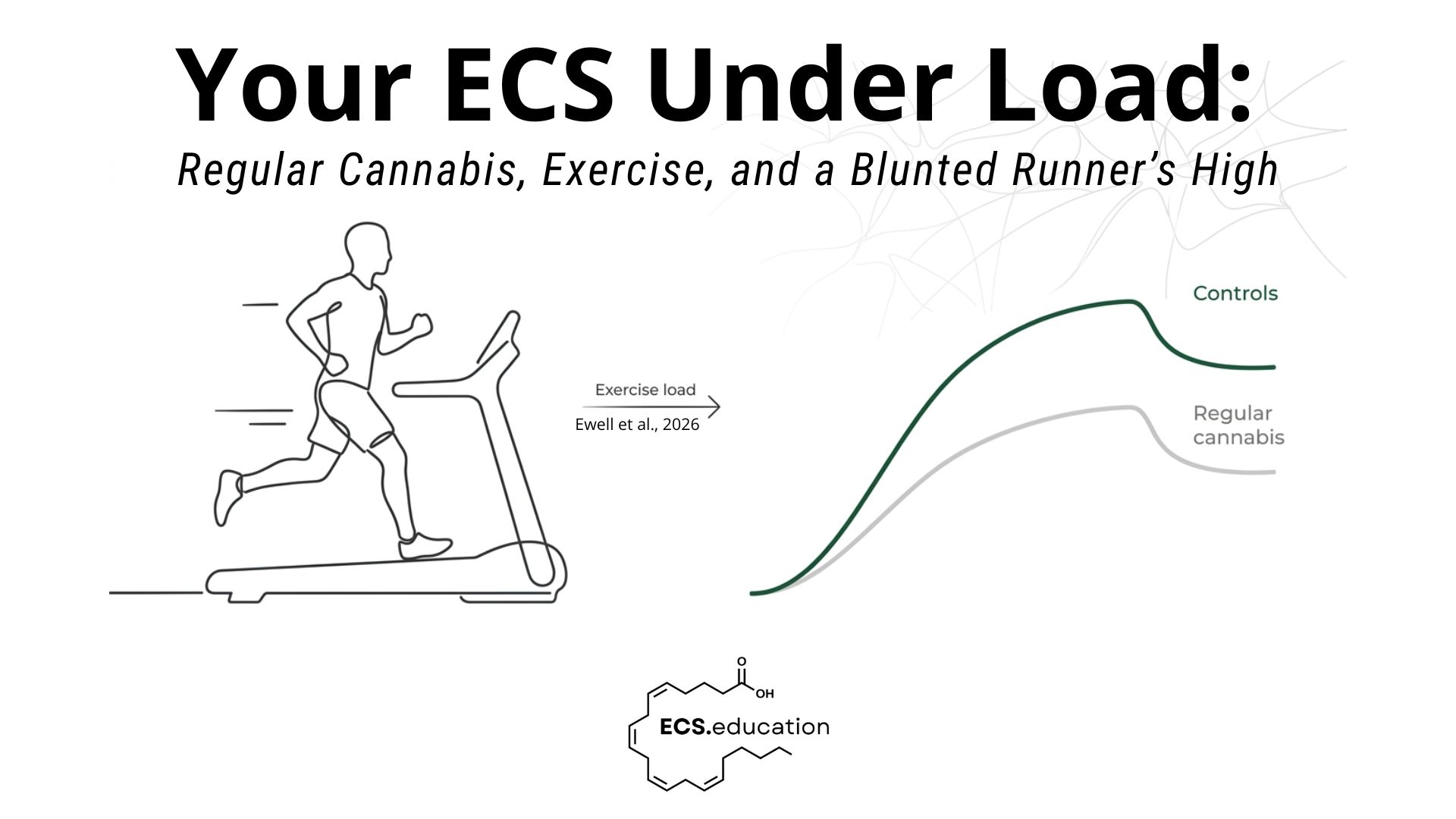
Your ECS Under Load: Regular Cannabis, Exercise, and a Blunted Runner’s High
Your ECS under load, not at rest Most cannabis conversations live in the acute space: “How does it feel when I’m high?” or in vague long‑term boxes like “motivation” or “psychosis risk.” Almost nobody asks the more mechanistic question that actually matters for resilience: What does your endocannabinoid system do…
Critical analysis
Read more
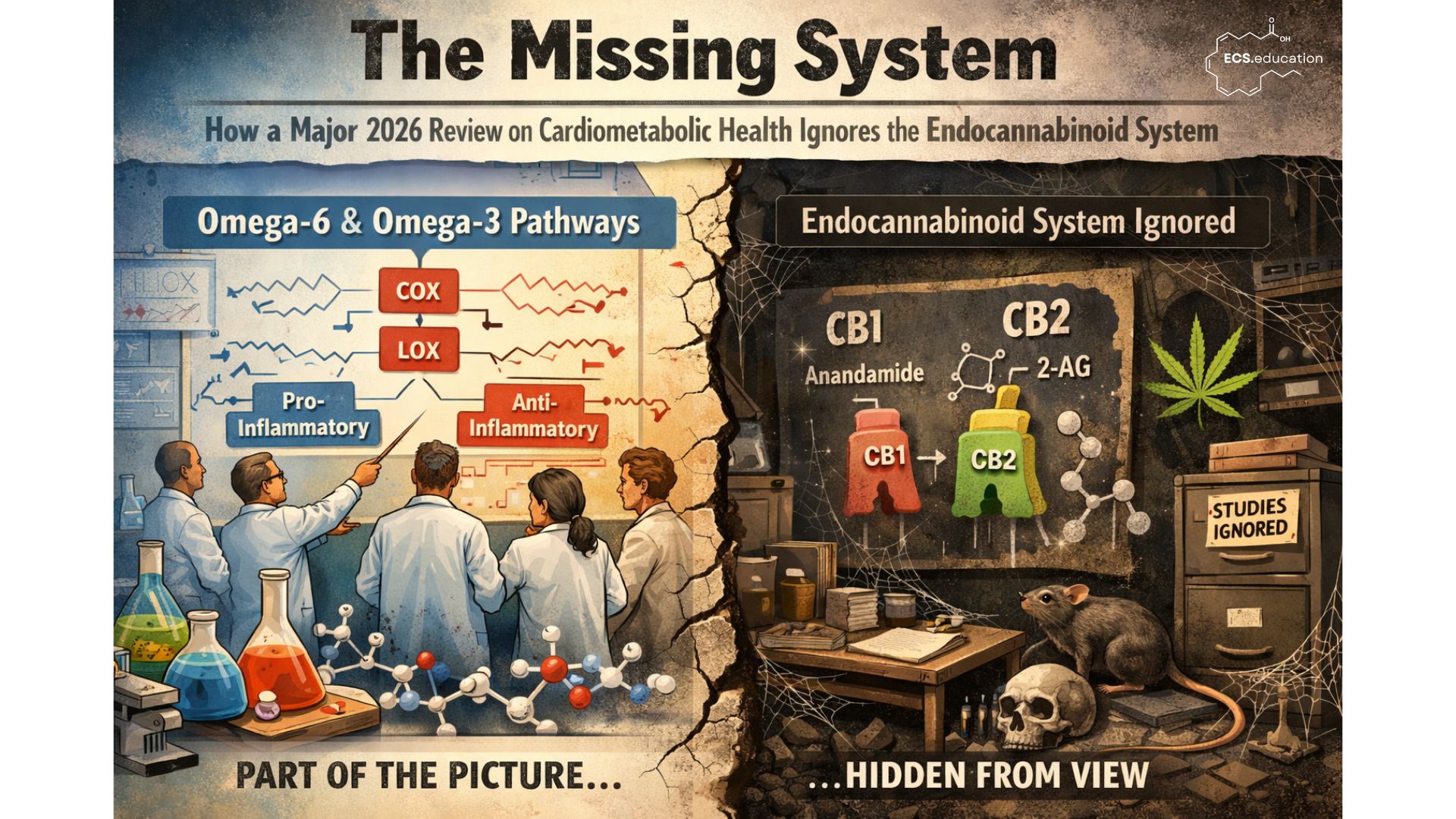
The Missing System: How a Major 2026 Review on Cardiometabolic Health Ignores the Endocannabinoid System
Last August, I wrote about a troubling pattern in inflammation research: brilliant scientists studying arachidonic acid metabolism while remaining “blissfully unaware that half the arachidonic acid story exists in a parallel research universe.” I documented how eicosanoid researchers and endocannabinoid scientists study the same substrate, same concentration ranges, same tissues—yet publish in…
Endocannabinoid System (ECS)
Read more
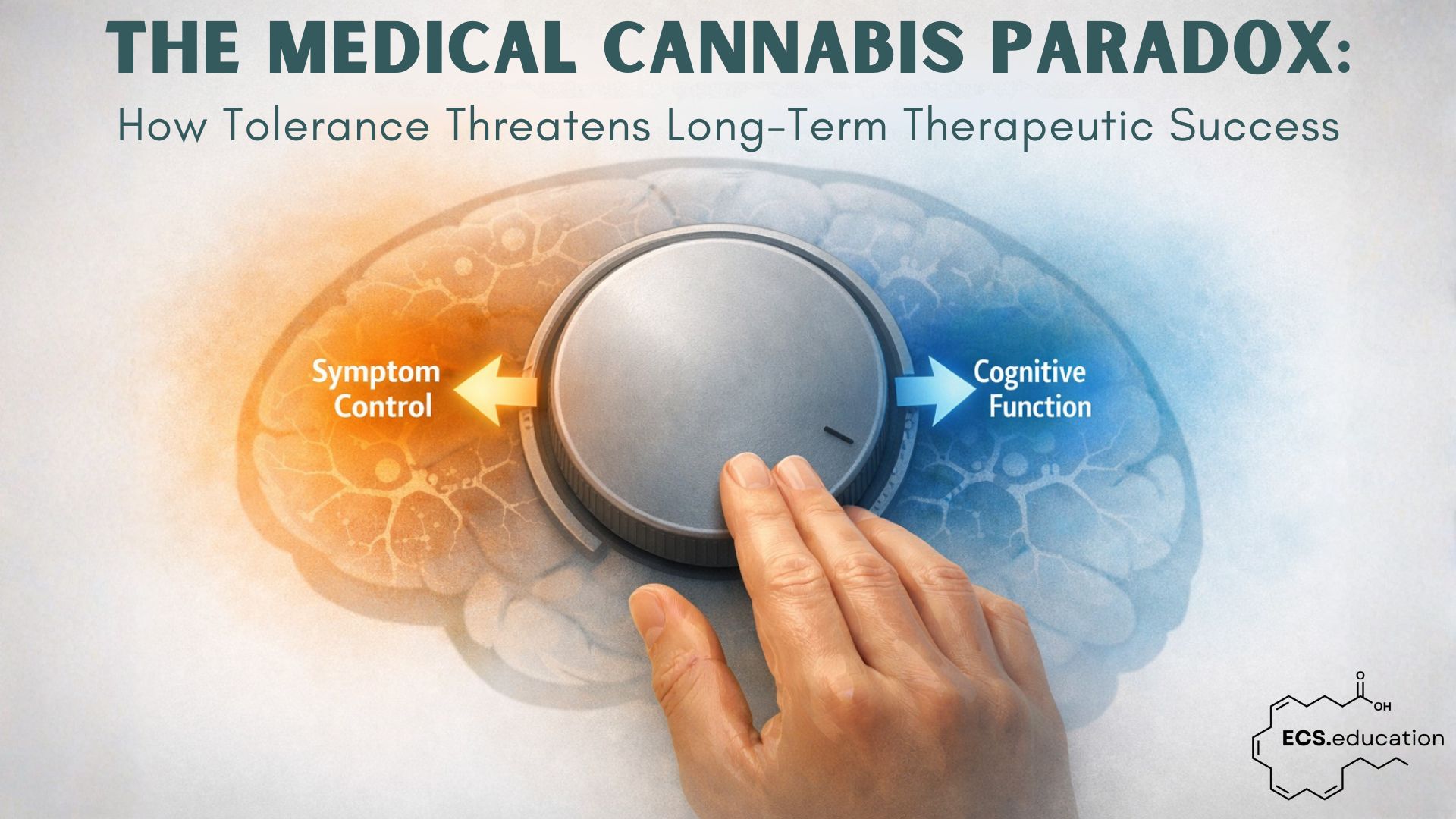
The Medical Cannabis Paradox: How Tolerance Threatens Long-Term Therapeutic Success
A follow-up to “CB1 Availability as a Non-Invasive Biomarker: Bridging Endocannabinoid System Dysfunction and Therapeutic Monitoring“ The Emerging Evidence: Tolerance is Real and Quantifiable A recent study published in Frontiers in Pharmacology (2025) provided the first systematic measurement of how tolerance accumulates during medical cannabis treatment (Stith et al., 2025). Using real-world…
Endocannabinoid System (ECS)

Read more
The New US Dietary Guidelines: Eat to Support Your ECS
This article explains how the endocannabinoid system is shaped by diet, especially omega‑6 and omega‑3 fats. The 2025–2030 US Dietary Guidelines process is quietly doing something profound. On the surface, it might look like another technical update about fat intake, unsaturated oils, and seafood recommendations. But underneath that familiar language sits…
Announcements
Read more
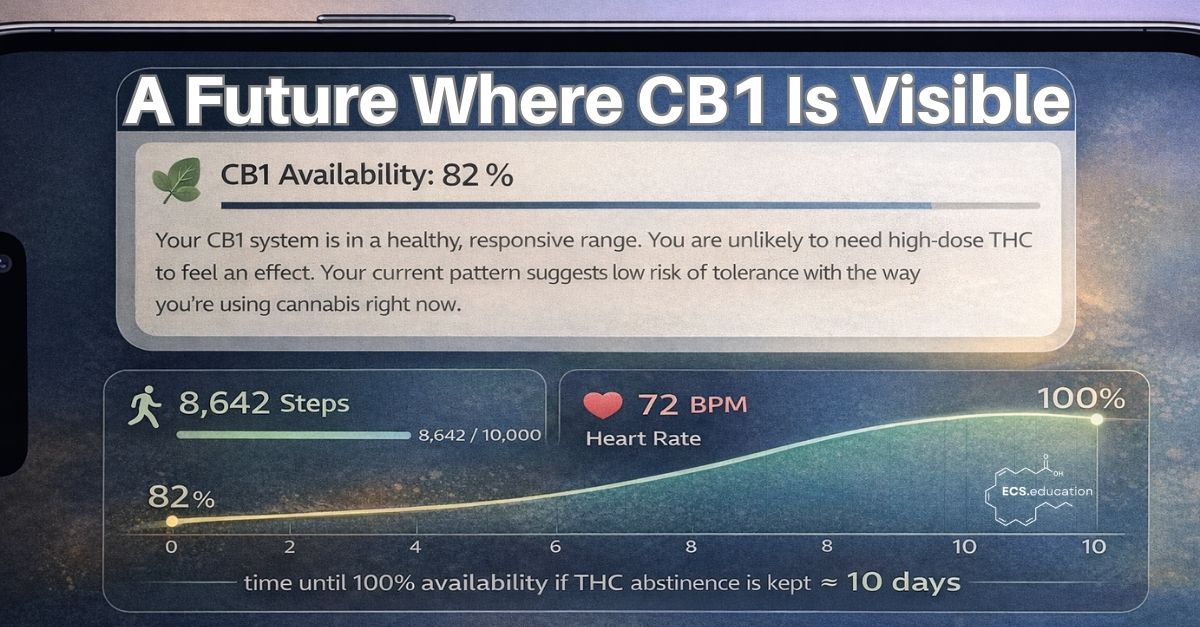
A Future Where CB1 Is Visible: CB1 Availability Biomarkers
Medical cannabis is still prescribed around an invisible axis: CB1 receptor capacity. This vision explores a future where CB1 availability is visible as a simple percentage on your phone, guiding dosing, tolerance, safety, and a new era of ECS medicine.