
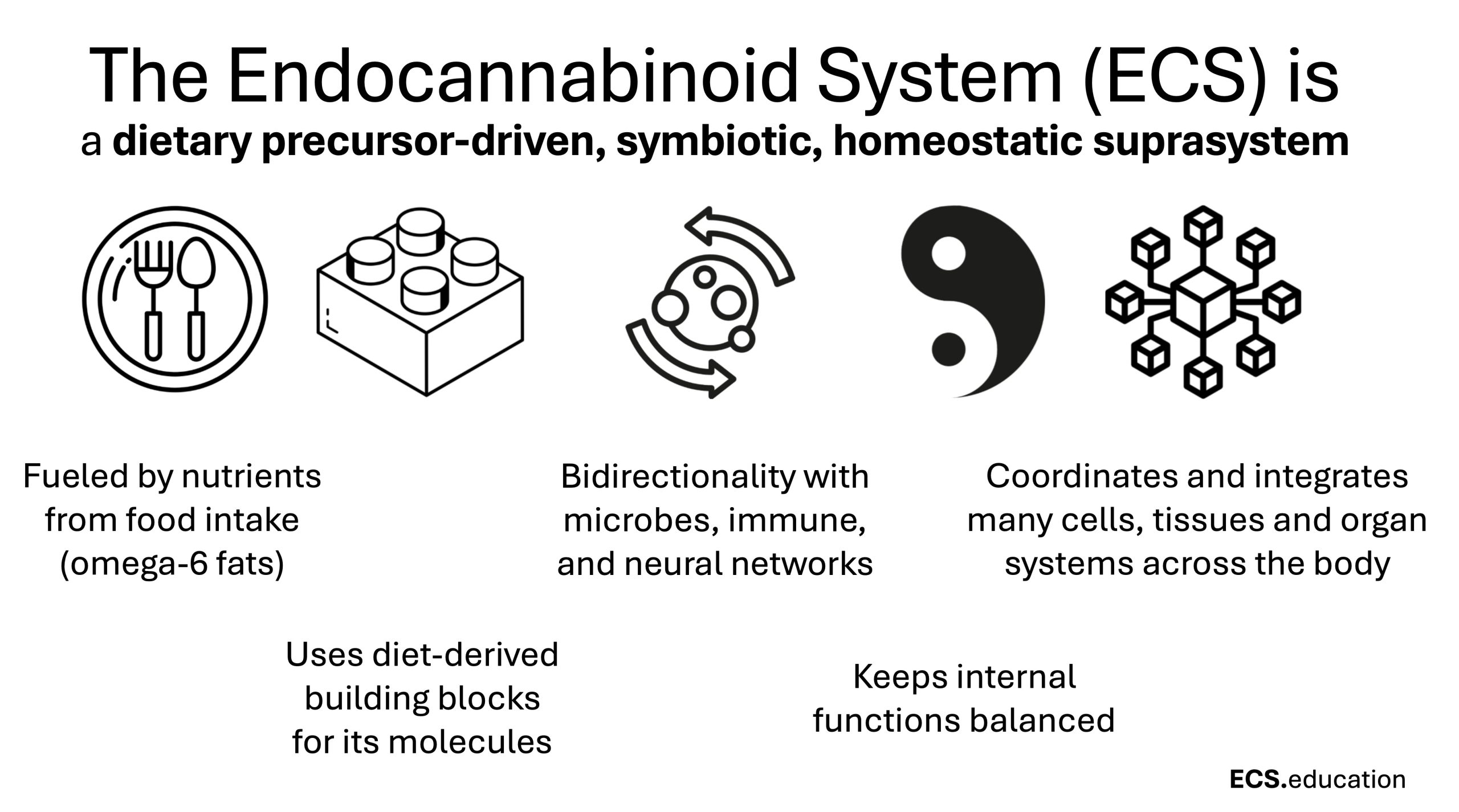
The Misunderstood Master Regulator The endocannabinoid system (ECS) is often considered the “cannabis system,” but this label ignores its true—and far broader and more important—role in holistic health. Instead of being defined by external substances, the ECS is a dietary precursor-driven, symbiotic, homeostatic suprasystem: a dynamic physiological network that maintains body-wide…
Commentary

Read more
Beyond the Buzz: Cannabis Heart Risks vs. Diet-Driven ECS Overload
Introduction: Beyond the Buzz – A Flawed Focus on Cannabis Recent headlines have lit up with warnings about cannabis and heart health, fueled by a systematic review showing links to increased risks of strokes, heart attacks, and cardiovascular death. It’s easy to get caught up in the alarm. After all, who doesn’t want to protect their ticker? But here’s where our reasoning goes off track:…
Uncategorized
Read more
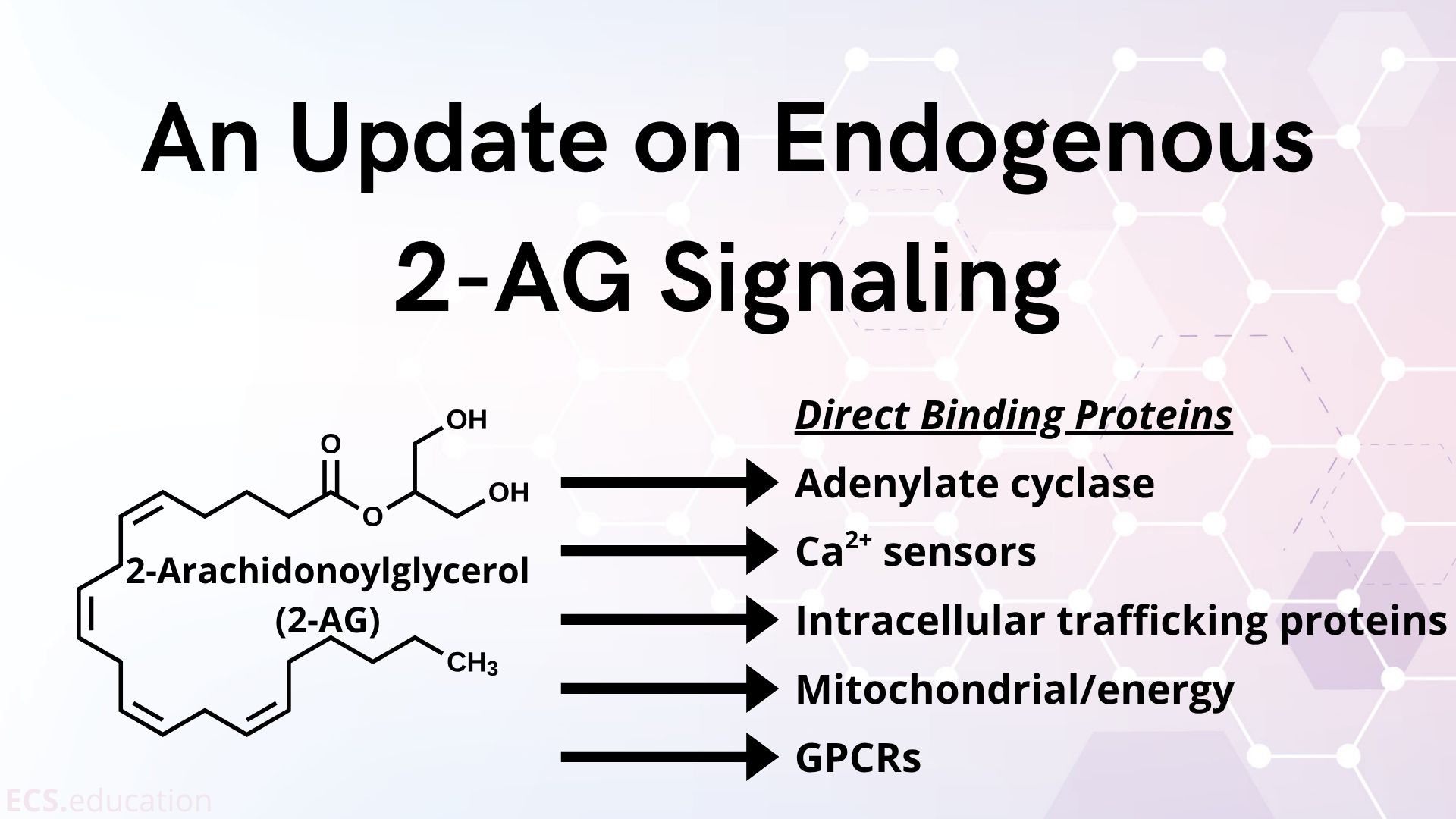
An Update on Endogenous 2-AG Signaling: New Mechanisms and Cellular Integration
Introduction: The Evolution of an Idea When I first began my career in molecular pharmacology, the endocannabinoid system (ECS) quickly became a source of intrigue. Here was a unique receptor system, defined by its enigmatic lipid messengers and central role in brain physiology. Like many, I was trained to see 2-arachidonoylglycerol (2-AG) as a classic retrograde messenger, acting through G protein-coupled receptors (GPCRs), and to view intracellular signaling as a tightly…
Endocannabinoid System (ECS)

Read more
Obesity Rewires Your Endocannabinoid System (ECS): How Fat, Liver, Heart & Brain Are Transformed
Obesity is more than excess fat—it’s a disorder of endocannabinoid system (ECS) dysfunction. Explore how obesity rewires CB1 signaling in fat, liver, heart, and brain, driving chronic disease.
Endocannabinoid System (ECS)
Read more
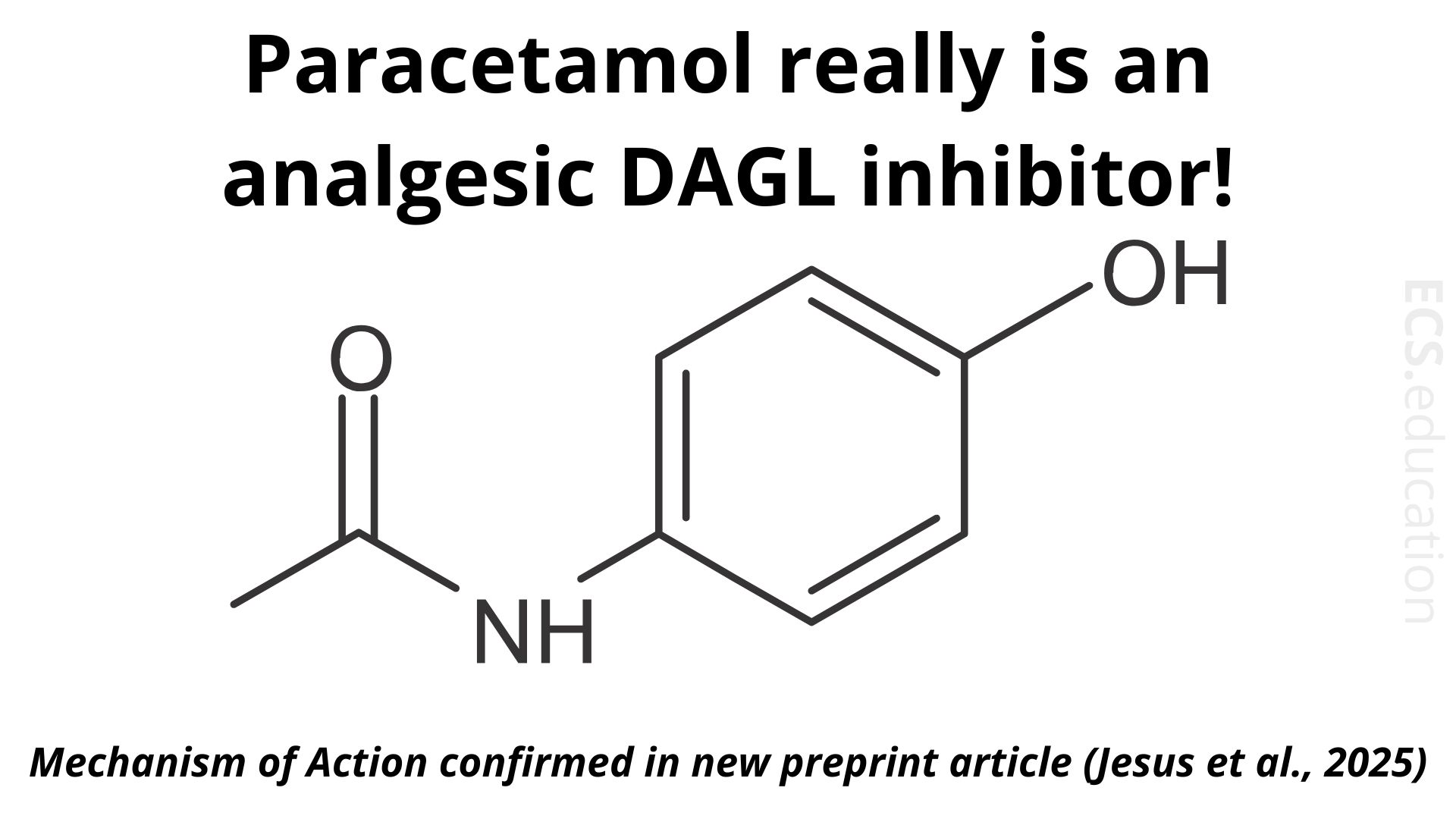
Paracetamol Confirmed as a Direct Analgesic DAGL Inhibitor: New Preprint Evidence
Important Note: This blog post discusses findings from a recent scientific preprint, meaning the research has not yet been formally peer-reviewed. Preprints allow for rapid dissemination of findings, but results should be interpreted cautiously until confirmed by peer-reviewed publication. Recently, we reported on a surprising new way that paracetamol (also known…
Nutrition Science

Read more
The Adiposity Filter: How Maternal Body Fat Reshapes Milk PUFAs for Your Baby’s ECS
At ECS.education, we’ve previously delved into how maternal metabolism and milk composition program infant development, the profound impact of maternal diet on the endocannabinoidome and infant health, and the links between ECS dysfunction, conditions like autism, and metabolic syndrome. Today, we explore compelling new research that adds another crucial layer to this understanding:…
Endocannabinoid System (ECS)

Read more
The Agmatine-ECS-ASD Connection: New Hope for ASD by Boosting 2-AG and Calming the Brain
Explore groundbreaking research on agmatine’s connection to the endocannabinoid system (ECS) in Autism (ASD). Discover how it may boost 2-AG, calm brain inflammation, and offer new hope for understanding and potentially supporting ASD.
Pharmacology

Read more
Acetaminophen (APAP) & the ECS: A Surprising New Twist in How Tylenol Really Works
New research upends our understanding of how acetaminophen (paracetamol) provides pain relief via the endocannabinoid system. Discover how it directly inhibits DAGLα, reducing 2-AG levels – a surprising twist on conventional ECS wisdom. Explore the implications for future drug development.
Commentary
Read more
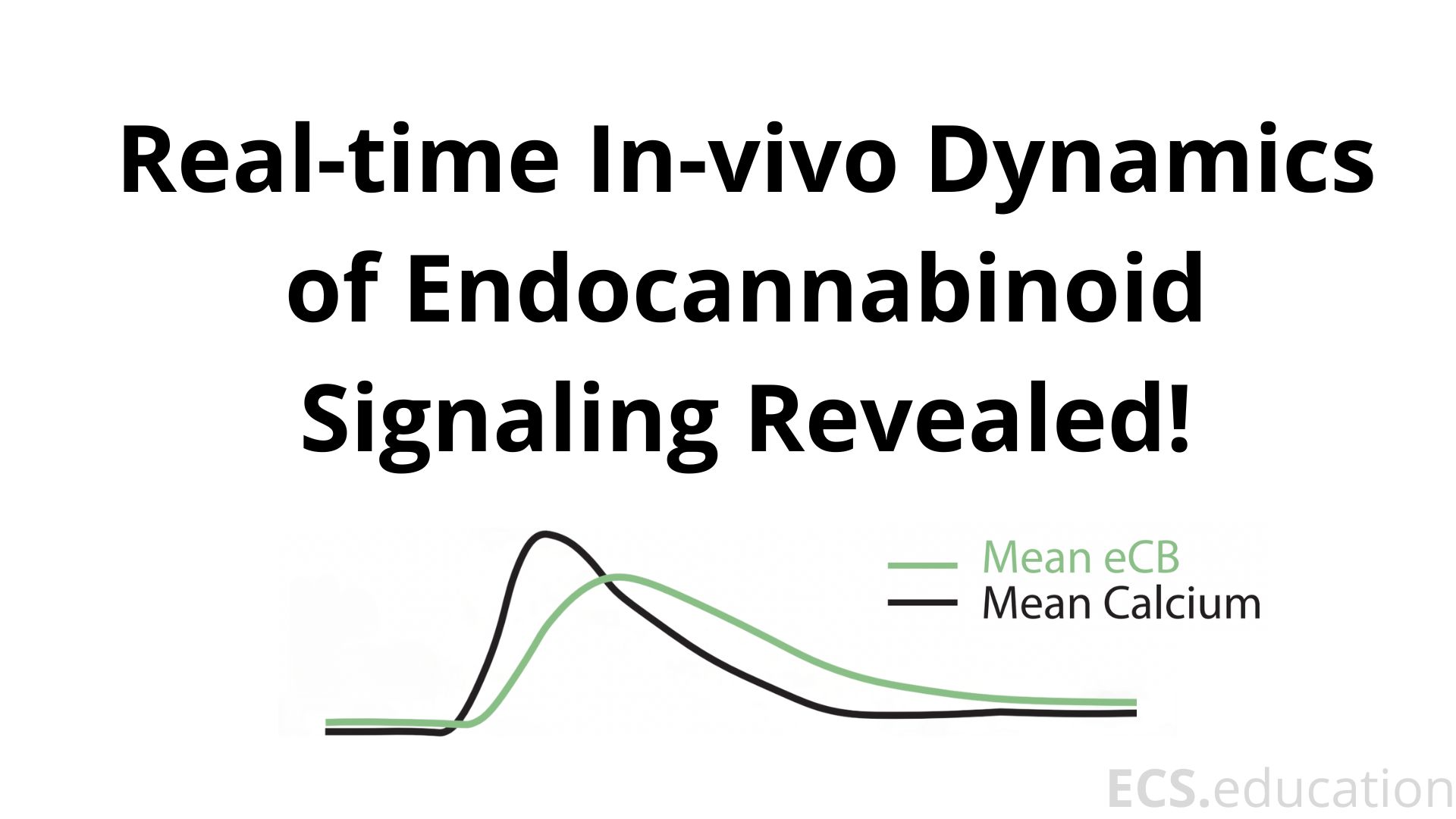
Seeing is Believing: New Tech Reveals How The Endocannabinoid System Works in Real-Time
A paradigm-shifting review in Neuron (Malhotra et al., 2025) highlights how new technologies allow scientists to visualize endocannabinoid (ECS) dynamics in real-time in behaving animals. This post breaks down the key breakthroughs, including the central role of 2-AG in rapid signaling, its precision, its function in memory and seizures, and the implications for healthcare professionals and medical cannabis.
Nutrition Science
Read more
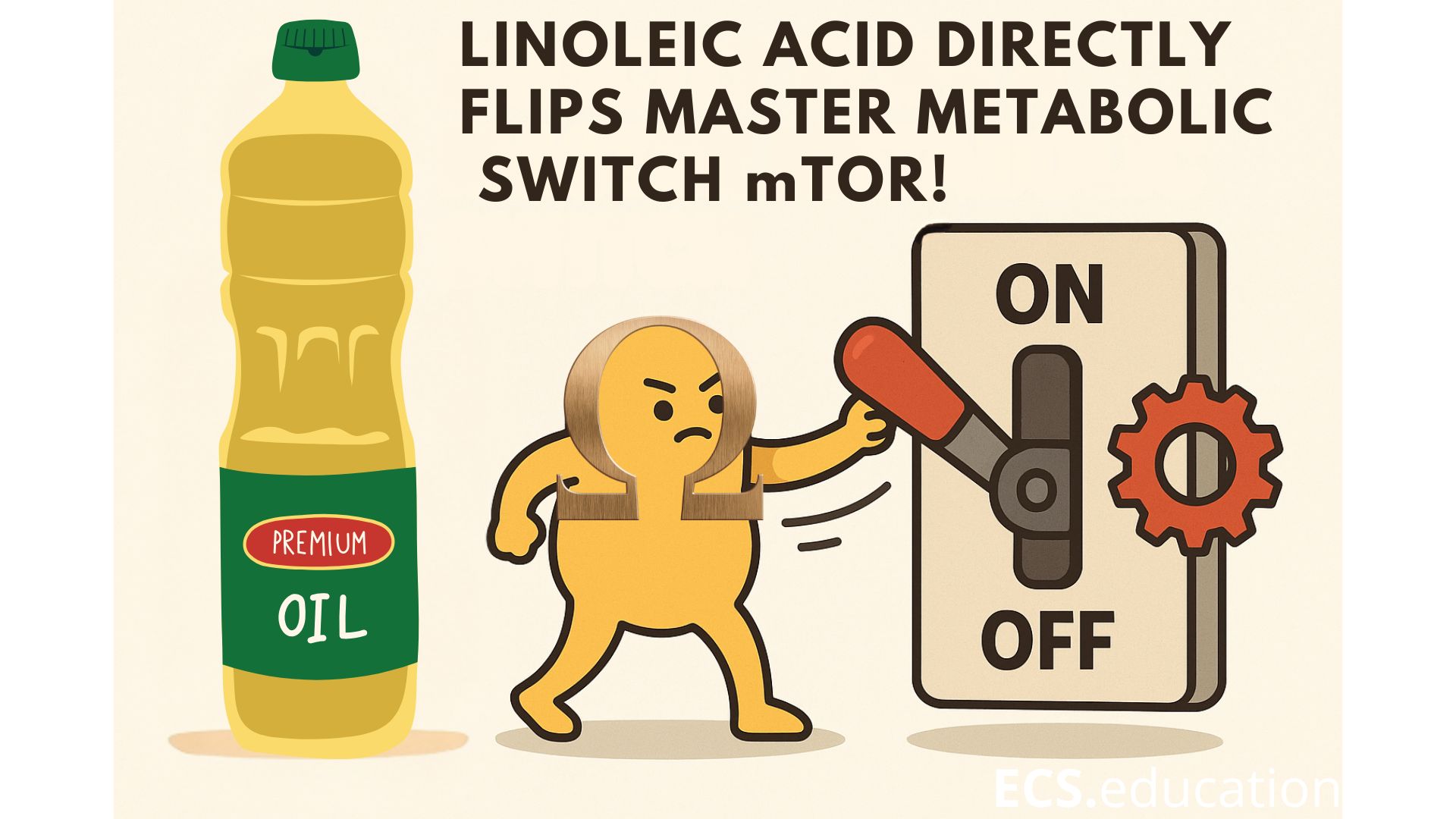
Too Much Omega-6? New Link Shows Linoleic Acid Directly Flips a Master Metabolic Switch
Discover how dietary linoleic acid (LA), a major omega-6 fat, directly activates the master metabolic switch mTORC1 through a newly found pathway involving FABP5. Explore the implications for Metabolic Syndrome, potential interactions with the endocannabinoid system (ECS), and what this means for understanding modern diets.