

A half-century of medical curricula has overlooked one of human physiology’s master regulators—the endocannabinoid system (ECS). But the conversation is shifting. In faculty rooms across the world, one question is changing the temperature: “Shouldn’t we teach the ECS?” Educational omissions translate directly into gaps in patient care. Closing both is imperative. Every revolution…
Endocannabinoid System (ECS)
Read more
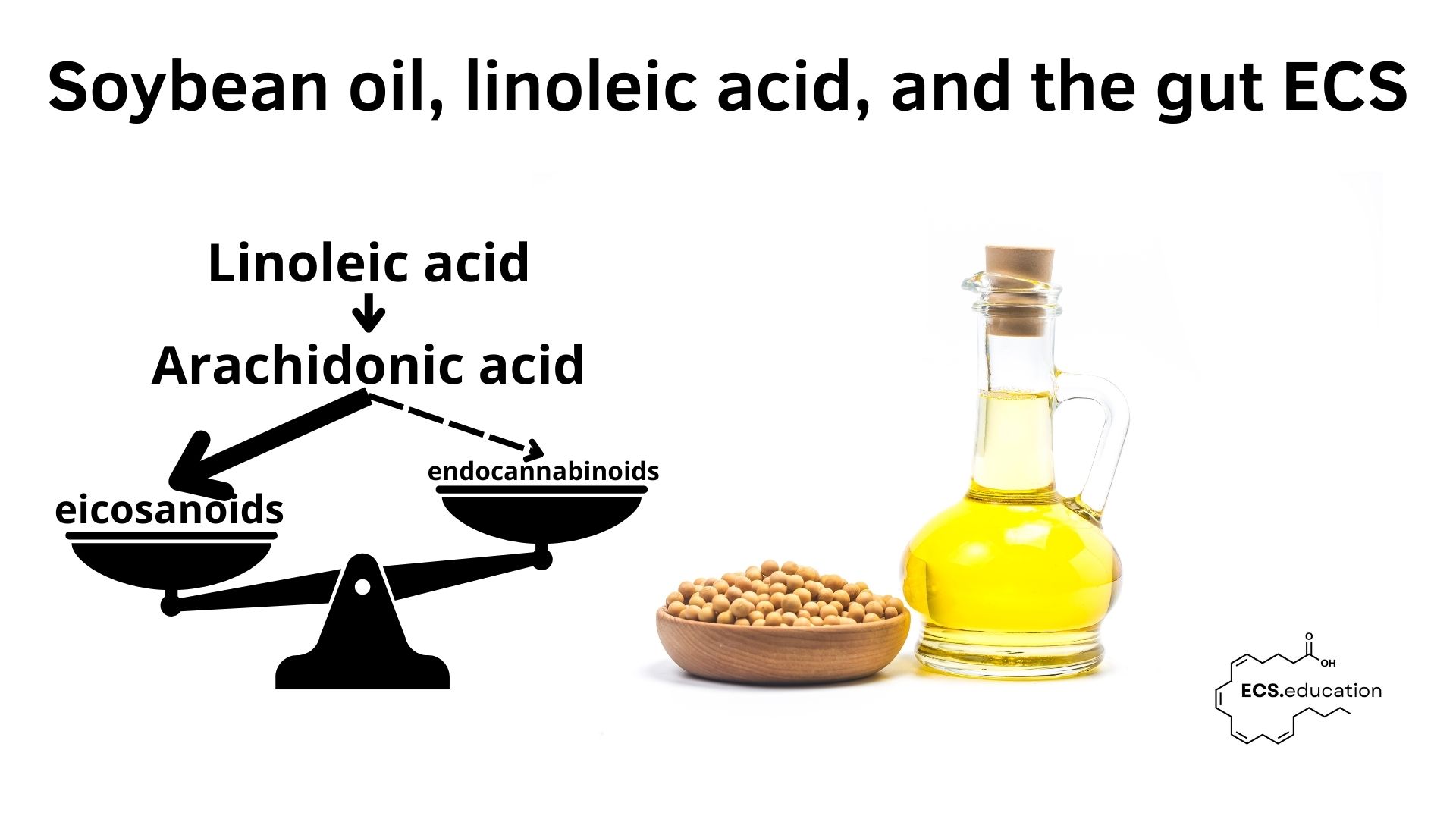
Soybean oil, linoleic acid, and the gut ECS
A recent study titled ‘Diet high in linoleic acid dysregulates the intestinal endocannabinoid system and increases susceptibility to colitis in Mice‘ shows that eating a lot of linoleic acid from soybean oil changes lipid chemistry in the gut in a way that weakens the protective endocannabinoid system and strengthens inflammatory…
Commentary
Read more
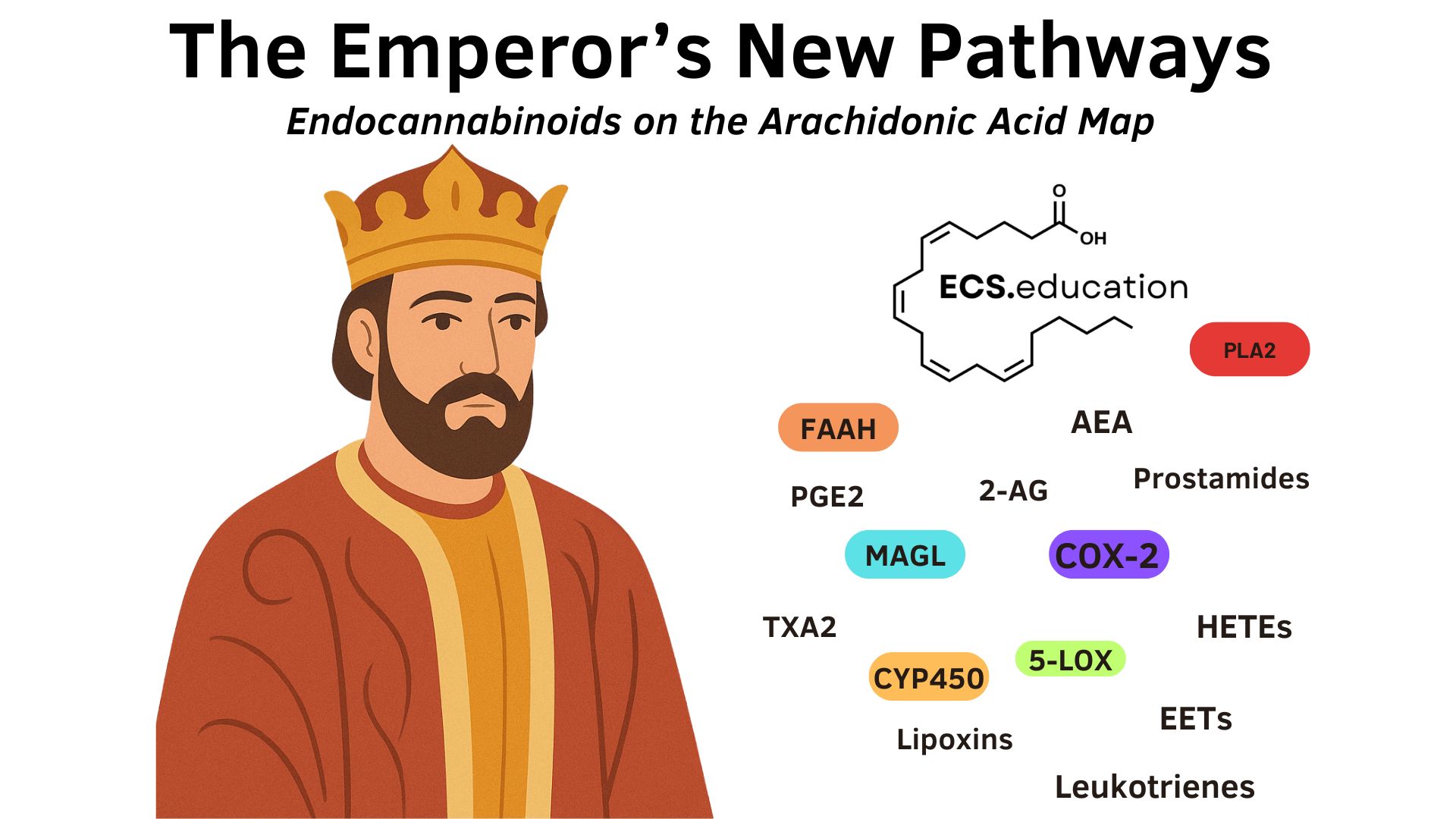
The Emperor’s New Pathways: Endocannabinoids on the Arachidonic Acid Map
Most NAFLD/MASLD reviews draw a neat AA trident—COX, LOX, CYP—while omitting the endocannabinoid system, even though AEA and 2‑AG are made on demand by NAPE‑PLD and DAGLα/β and rapidly hydrolyzed by FAAH and MAGL back to AA, continuously shuttling substrate between eCBs and eicosanoids in inflamed liver. A new 2025…
Announcements

Read more
From Preprint to Peer Review: ECS.education Paper Accepted in IJCMCS
The ECS.education community has a milestone to celebrate: our manuscript, “Bridging the gap: Integrating the endocannabinoid system into medical education,” has passed independent, double‑blind peer review and is now published in the International Journal of Clinical & Medical Case Studies (IJCMCS). Built around three cornerstone ECS.education analyses, the paper consolidates…
Commentary
Read more
How Scientific Tunnel Vision in Inflammation Research Ignores the Endocannabinoid System (ECS)
When scientific tunnel vision becomes institutional blindness Lessons from history’s scientific blind spots Science has a troubling habit of missing the forest for the trees. For decades, gastroenterologists dismissed the idea that bacteria could cause stomach ulcers—until Barry Marshall proved Helicobacter pylori was the culprit by infecting himself. Geologists ridiculed…
Endocannabinoid System (ECS)

Read more
Obesity’s metabolic fingerprint is characterised by ECS Dysfunction!
Obesity isn’t just about extra weight—it imprints a unique metabolic fingerprint deep within your body. New research reveals that this signature is marked by endocannabinoid system (ECS) dysfunction, driven by dietary fat balance and energy surplus. Learn how what you eat tunes your ECS, shapes your health risks, and why fixing the “input side” of nutrition could help fade the metabolic fingerprint of obesity.
Critical analysis

Read more
Maternal Obesity Disrupts Breast Milk PUFA Balance: New Insights into ECS Programming for Infants
Let’s dive right in. In my earlier posts on ECS.education, we’ve talked about how maternal adiposity shapes breast milk’s endocannabinoid system (ECS) and influences infant health. The May 23 piece on ‘The Adiposity Filter: How Maternal Body Fat Reshapes Milk PUFAs for Your Baby’s ECS‘ highlighted shifts in endocannabinoid profiles…
Endocannabinoid System (ECS)
Read more
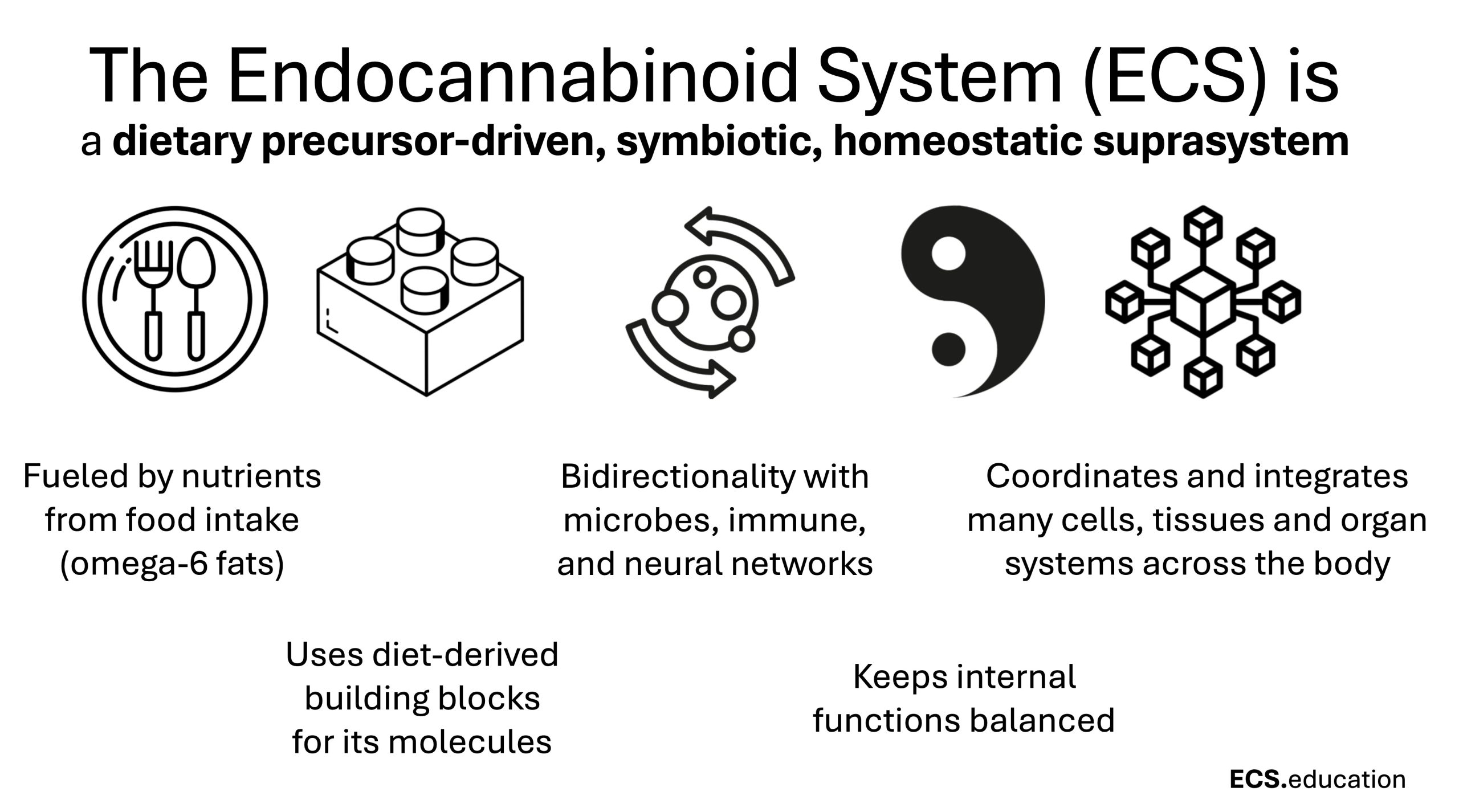
The Endocannabinoid System: Dietary Precursor-Driven ECS & Medical Education Gap
The Misunderstood Master Regulator The endocannabinoid system (ECS) is often considered the “cannabis system,” but this label ignores its true—and far broader and more important—role in holistic health. Instead of being defined by external substances, the ECS is a dietary precursor-driven, symbiotic, homeostatic suprasystem: a dynamic physiological network that maintains body-wide…
Commentary

Read more
Beyond the Buzz: Cannabis Heart Risks vs. Diet-Driven ECS Overload
Introduction: Beyond the Buzz – A Flawed Focus on Cannabis Recent headlines have lit up with warnings about cannabis and heart health, fueled by a systematic review showing links to increased risks of strokes, heart attacks, and cardiovascular death. It’s easy to get caught up in the alarm. After all, who doesn’t want to protect their ticker? But here’s where our reasoning goes off track:…
Uncategorized
Read more
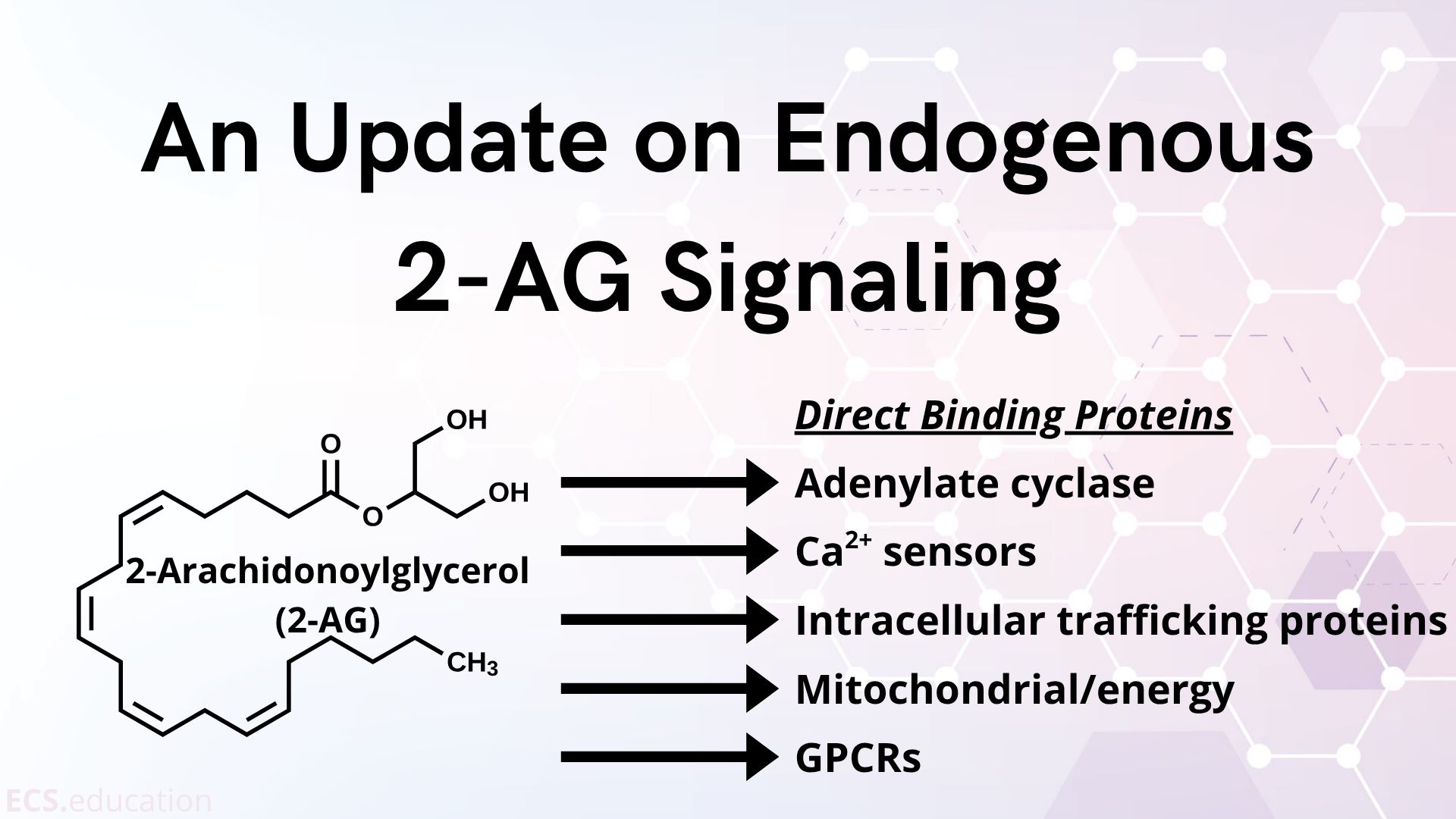
An Update on Endogenous 2-AG Signaling: New Mechanisms and Cellular Integration
Introduction: The Evolution of an Idea When I first began my career in molecular pharmacology, the endocannabinoid system (ECS) quickly became a source of intrigue. Here was a unique receptor system, defined by its enigmatic lipid messengers and central role in brain physiology. Like many, I was trained to see 2-arachidonoylglycerol (2-AG) as a classic retrograde messenger, acting through G protein-coupled receptors (GPCRs), and to view intracellular signaling as a tightly…