
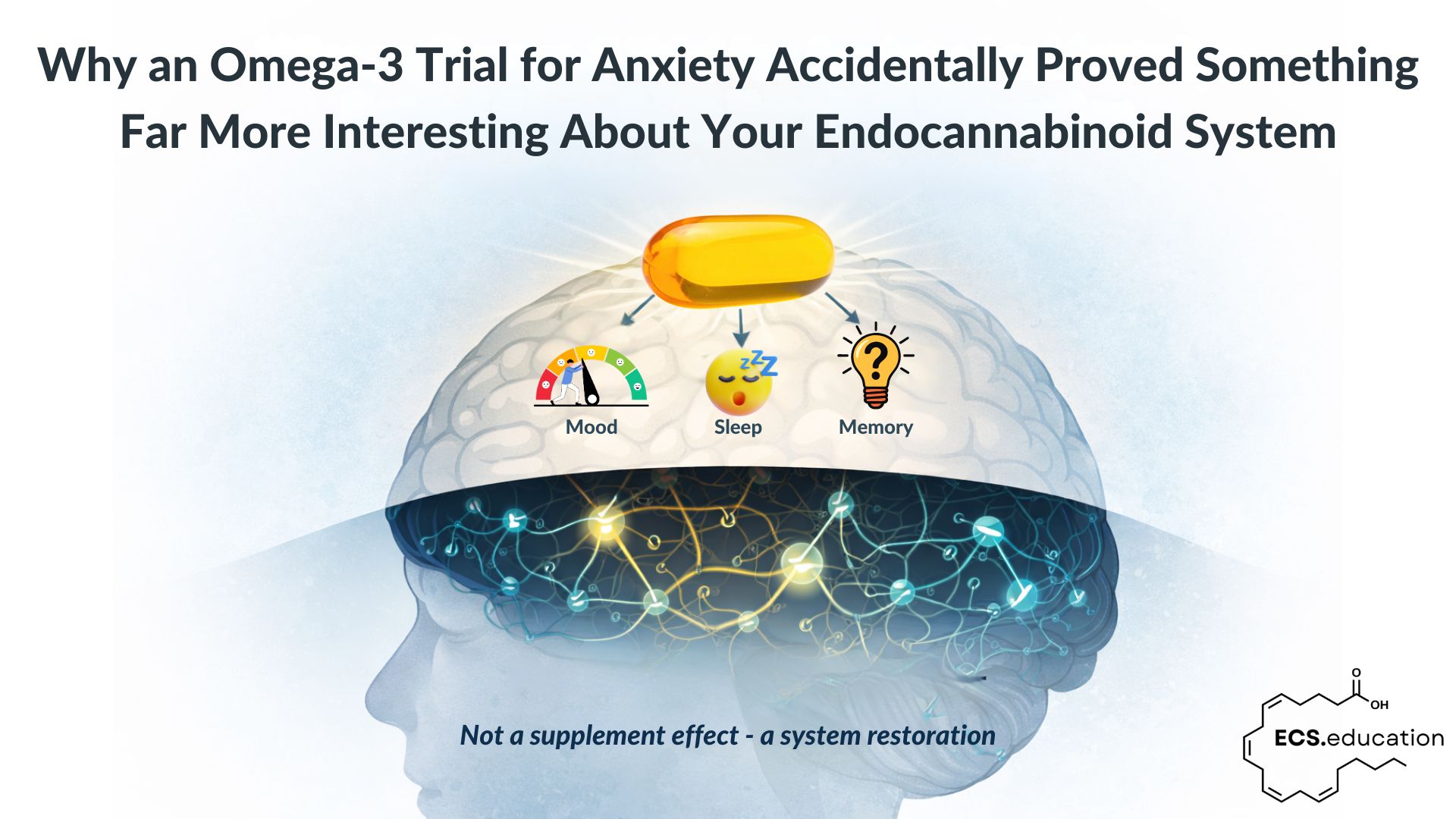
A new randomised, double-blind, placebo-controlled trial published in the Journal of Affective Disorders set out to test whether omega-3 supplementation improves stress, anxiety, depression, sleep quality, and memory in people with severe psychological distress (Azhar et al., 2025). The trial was conducted on a Saudi population, was reasonably well-designed, and produced striking…
Tag: Endocannabinoid system
Endocannabinoid System (ECS)
Read more
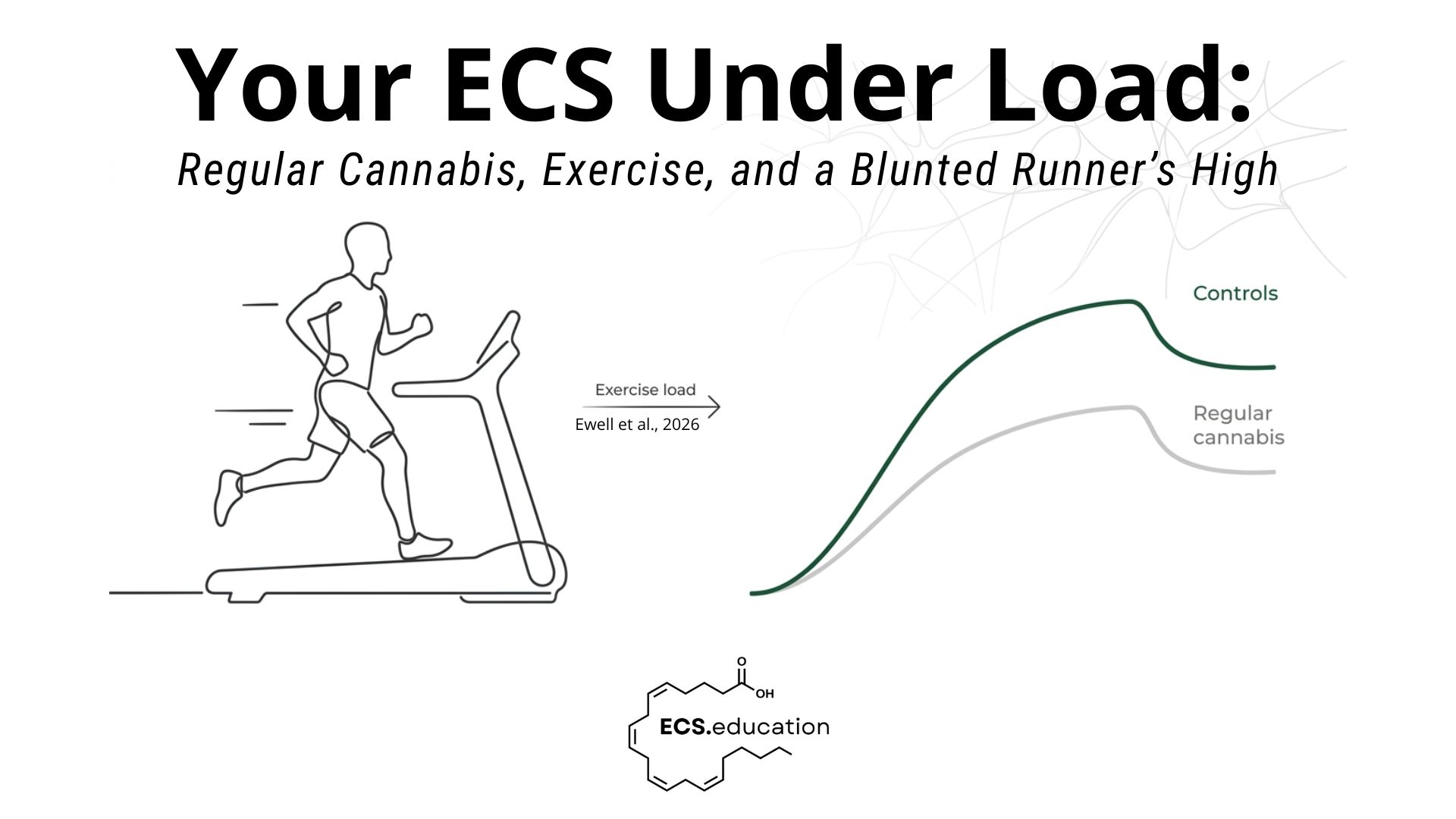
Your ECS Under Load: Regular Cannabis, Exercise, and a Blunted Runner’s High
Your ECS under load, not at rest Most cannabis conversations live in the acute space: “How does it feel when I’m high?” or in vague long‑term boxes like “motivation” or “psychosis risk.” Almost nobody asks the more mechanistic question that actually matters for resilience: What does your endocannabinoid system do…
Endocannabinoid System (ECS)
Read more
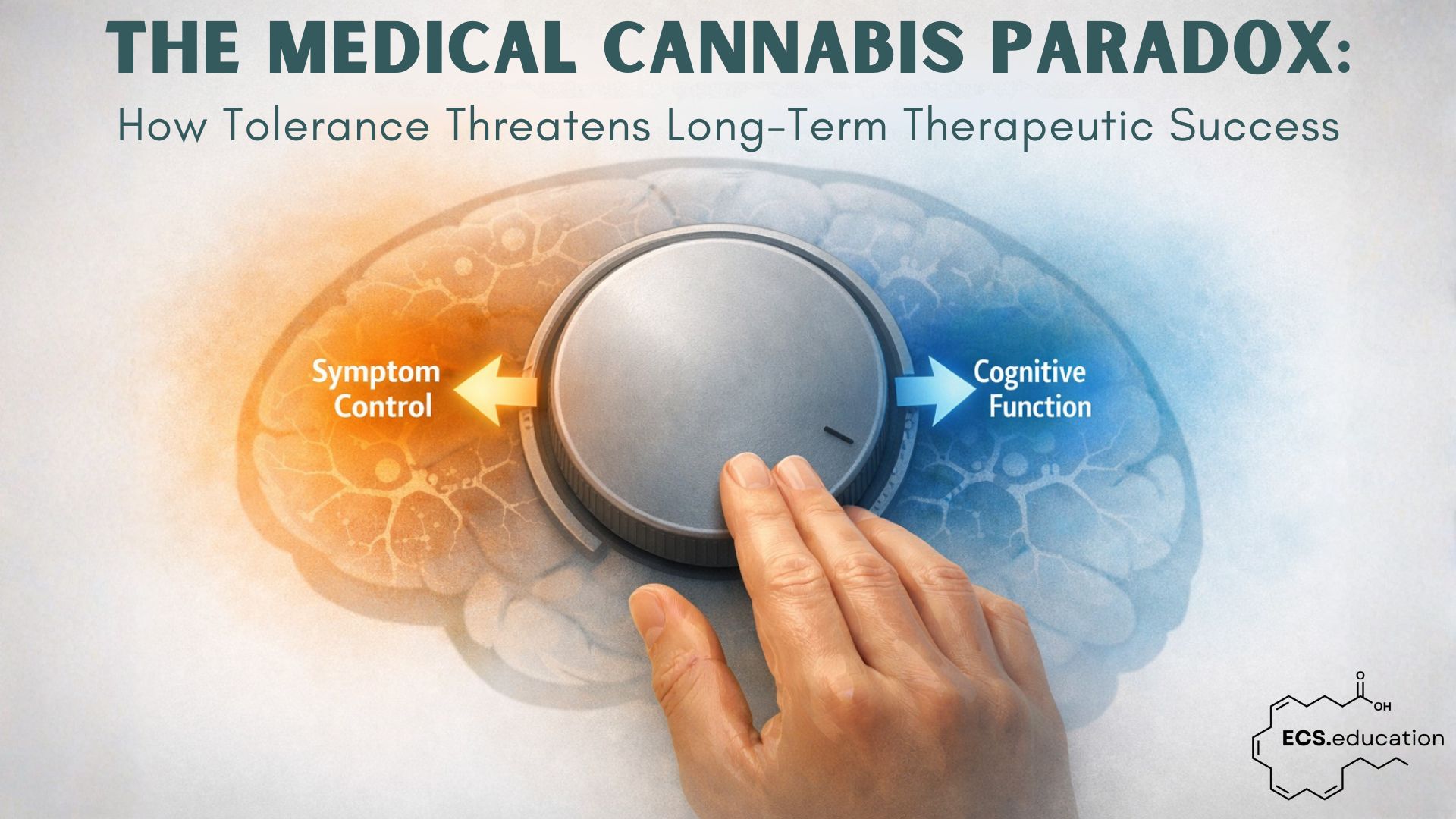
The Medical Cannabis Paradox: How Tolerance Threatens Long-Term Therapeutic Success
A follow-up to “CB1 Availability as a Non-Invasive Biomarker: Bridging Endocannabinoid System Dysfunction and Therapeutic Monitoring“ The Emerging Evidence: Tolerance is Real and Quantifiable A recent study published in Frontiers in Pharmacology (2025) provided the first systematic measurement of how tolerance accumulates during medical cannabis treatment (Stith et al., 2025). Using real-world…
Endocannabinoid System (ECS)

Read more
The New US Dietary Guidelines: Eat to Support Your ECS
This article explains how the endocannabinoid system is shaped by diet, especially omega‑6 and omega‑3 fats. The 2025–2030 US Dietary Guidelines process is quietly doing something profound. On the surface, it might look like another technical update about fat intake, unsaturated oils, and seafood recommendations. But underneath that familiar language sits…
Announcements
Read more
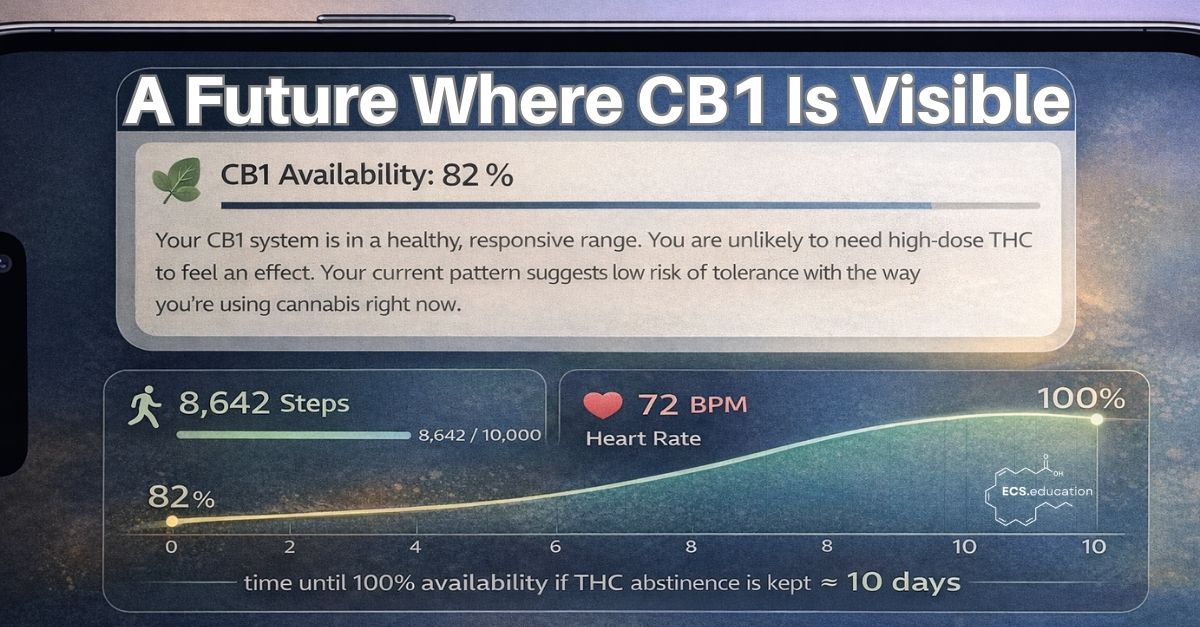
A Future Where CB1 Is Visible: CB1 Availability Biomarkers
Medical cannabis is still prescribed around an invisible axis: CB1 receptor capacity. This vision explores a future where CB1 availability is visible as a simple percentage on your phone, guiding dosing, tolerance, safety, and a new era of ECS medicine.
Endocannabinoid System (ECS)
Read more
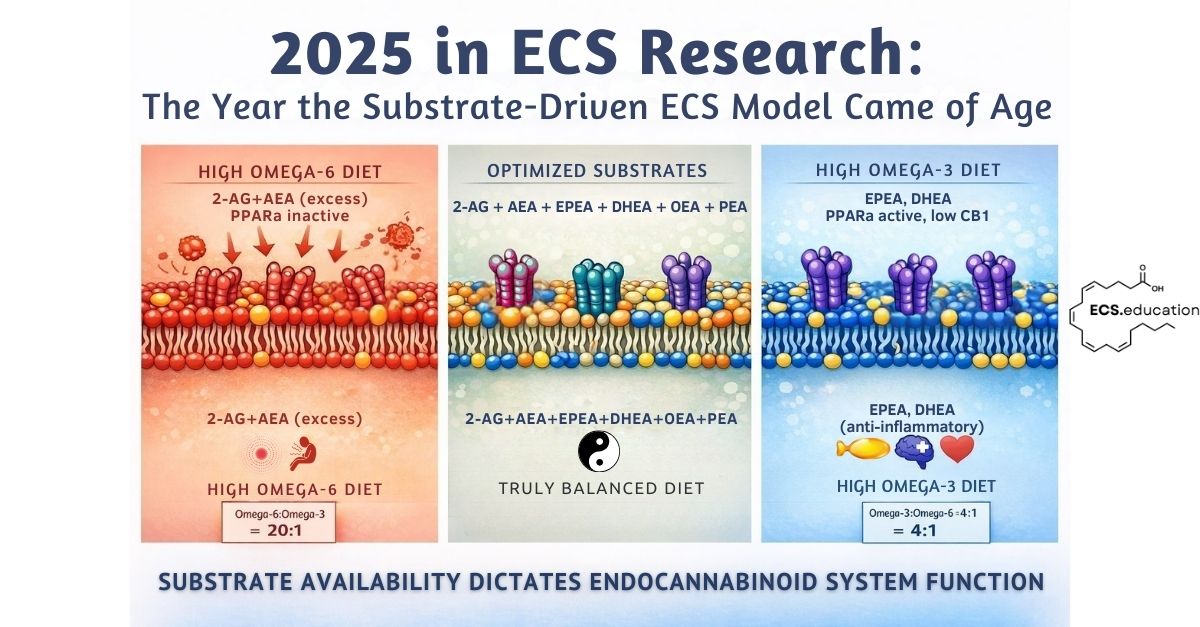
2025 in ECS Research: The Year the Substrate-Driven ECS Model Came of Age
Endocannabinoid system substrate—specifically membrane fatty acid composition—is the primary determinant of CB1 receptor function, not genetics or receptor density. For years, I’ve been making the case that endocannabinoid system function is not primarily about receptor density or genetic variants, it’s about substrate availability. The composition of fatty acids in cell…
Critical analysis

Read more
JAMA, Medical Cannabis and the Endocannabinoid Blind Spot
There is a saying in science: Absence of evidence is not evidence of absence. But in the case of the recent JAMA review on the therapeutic use of cannabis, I would propose a correction: Absence of mechanistic insight leads to the illusion of insufficient evidence. A new medical cannabis review published this…
Critical analysis

Read more
ECS and Exercise: The Invisible Architecture of Fitness
The body keeps secrets in its blood. On a Tuesday morning in late 2024, 491 men and women stepped onto treadmills and cycle ergometers across several research institutions. None of them knew they were about to reveal something profound about the mechanics of human fitness. They simply pushed themselves toward…
Drug Policy

Read more
The Swedish Sin: When Evidence-Based Medicine Meets Bureaucratic Barriers
Sweden claims to have medical cannabis. We tell patients it’s legal. But TLV threatens to make it financially inaccessible (60,000 vs 2,900 SEK/year), regions threaten to fire doctors who prescribe it, and medical schools don’t teach the biology. How bureaucratic ignorance kills a medical intervention without ever banning it.
Endocannabinoid System (ECS)

Read more
How Diet and Exercise Modulate the Endocannabinoid System
New Evidence for the Substrate-Driven Model I came across a fascinating recent study this week in Nutritional Neuroscience that really validates something I’ve been thinking about for a while. Lima and colleagues just published research showing how diet and exercise reshape the endocannabinoid system in the brain. It all fits beautifully with what I call the substrate-driven model of ECS function. Let me walk you through what they found and why it matters. The Study: Diet, Exercise & Brain ECS The team took young rats and divided them into groups. Some got standard lab chow, others got a “palatable diet” (think: high in omega-6 fats and sugar, like a Western diet). Some rats didtreadmill training for eight weeks, others didn’t. Then they looked at CB1 receptors and NAPE-PLD enzyme levels in three key brain areas: • Hypothalamus – your energy regulation center • Frontal cortex – handles reward and decision-making…