
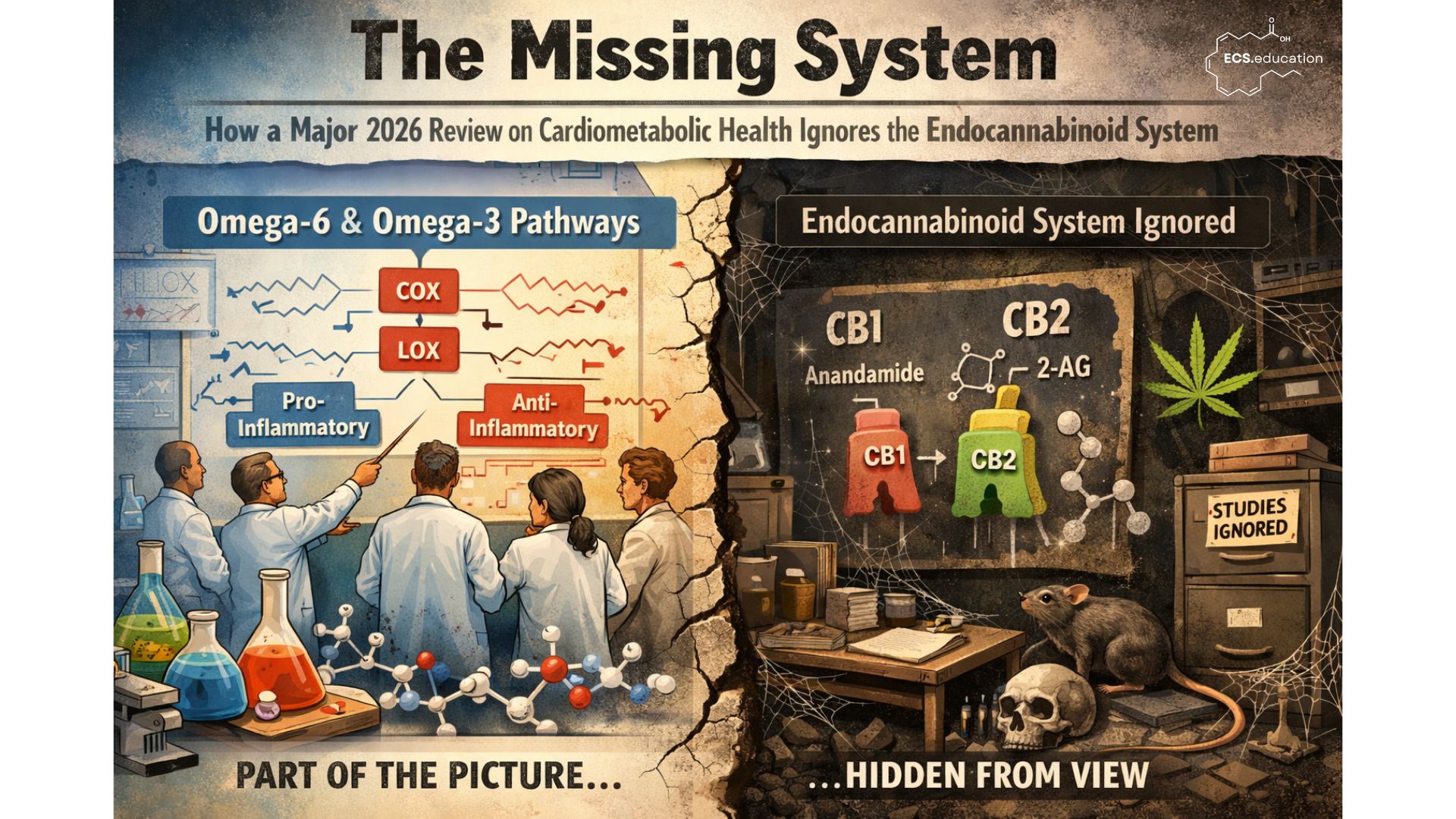
Last August, I wrote about a troubling pattern in inflammation research: brilliant scientists studying arachidonic acid metabolism while remaining “blissfully unaware that half the arachidonic acid story exists in a parallel research universe.” I documented how eicosanoid researchers and endocannabinoid scientists study the same substrate, same concentration ranges, same tissues—yet publish in…
Tag: CB1 Receptor
Endocannabinoid System (ECS)
Read more
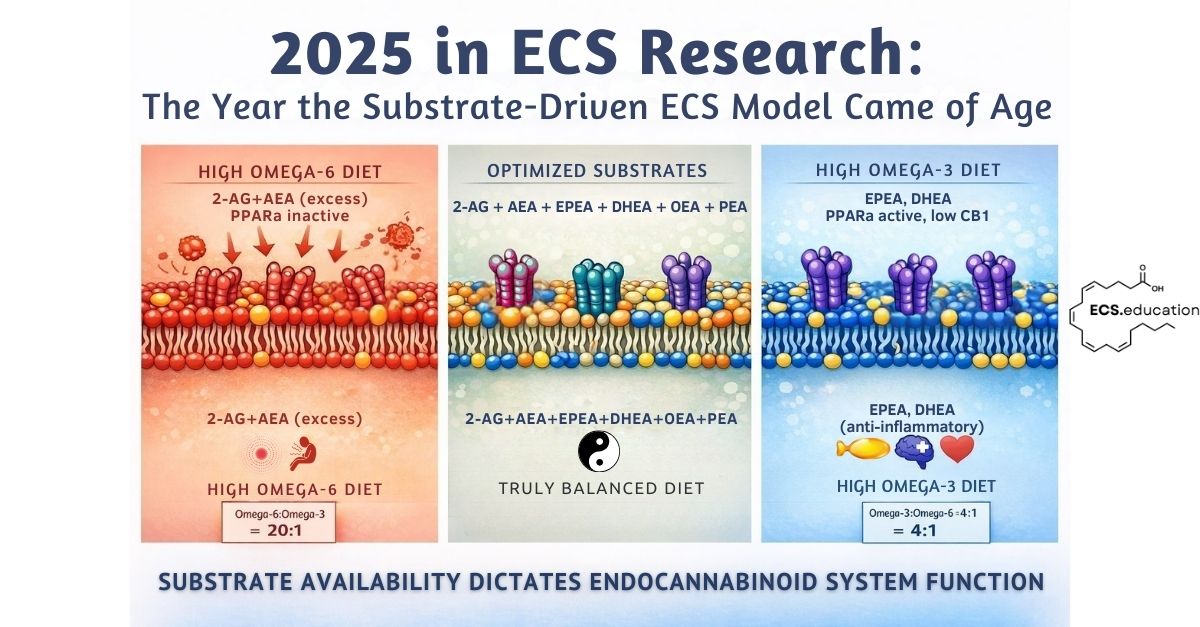
2025 in ECS Research: The Year the Substrate-Driven ECS Model Came of Age
Endocannabinoid system substrate—specifically membrane fatty acid composition—is the primary determinant of CB1 receptor function, not genetics or receptor density. For years, I’ve been making the case that endocannabinoid system function is not primarily about receptor density or genetic variants, it’s about substrate availability. The composition of fatty acids in cell…
Endocannabinoid System (ECS)

Read more
Obesity Rewires Your Endocannabinoid System (ECS): How Fat, Liver, Heart & Brain Are Transformed
Obesity is more than excess fat—it’s a disorder of endocannabinoid system (ECS) dysfunction. Explore how obesity rewires CB1 signaling in fat, liver, heart, and brain, driving chronic disease.
Endocannabinoid System (ECS)
Read more
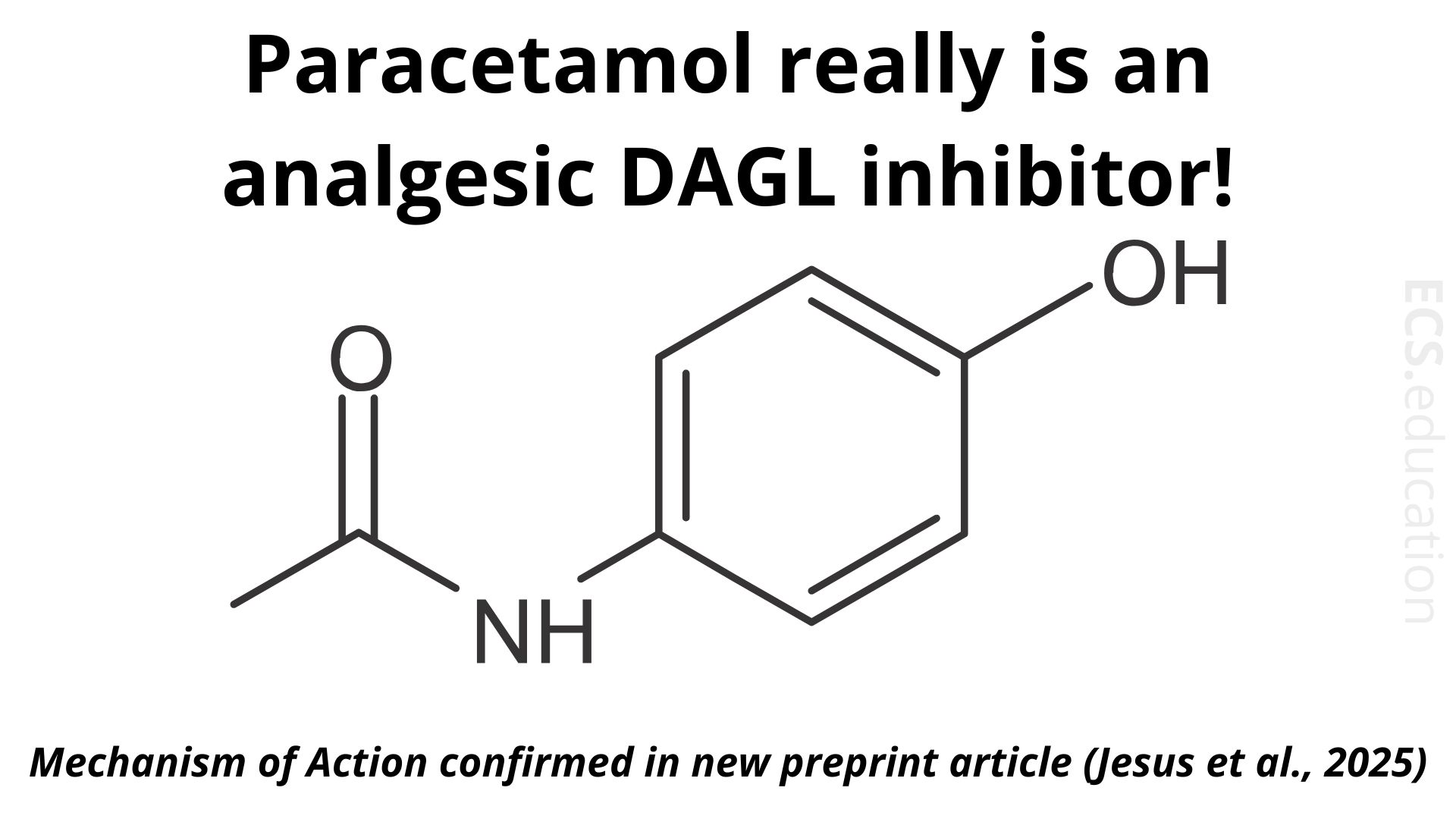
Paracetamol Confirmed as a Direct Analgesic DAGL Inhibitor: New Preprint Evidence
Important Note: This blog post discusses findings from a recent scientific preprint, meaning the research has not yet been formally peer-reviewed. Preprints allow for rapid dissemination of findings, but results should be interpreted cautiously until confirmed by peer-reviewed publication. Recently, we reported on a surprising new way that paracetamol (also known…
Endocannabinoid System (ECS)

Read more
The Agmatine-ECS-ASD Connection: New Hope for ASD by Boosting 2-AG and Calming the Brain
Explore groundbreaking research on agmatine’s connection to the endocannabinoid system (ECS) in Autism (ASD). Discover how it may boost 2-AG, calm brain inflammation, and offer new hope for understanding and potentially supporting ASD.
Commentary
Read more
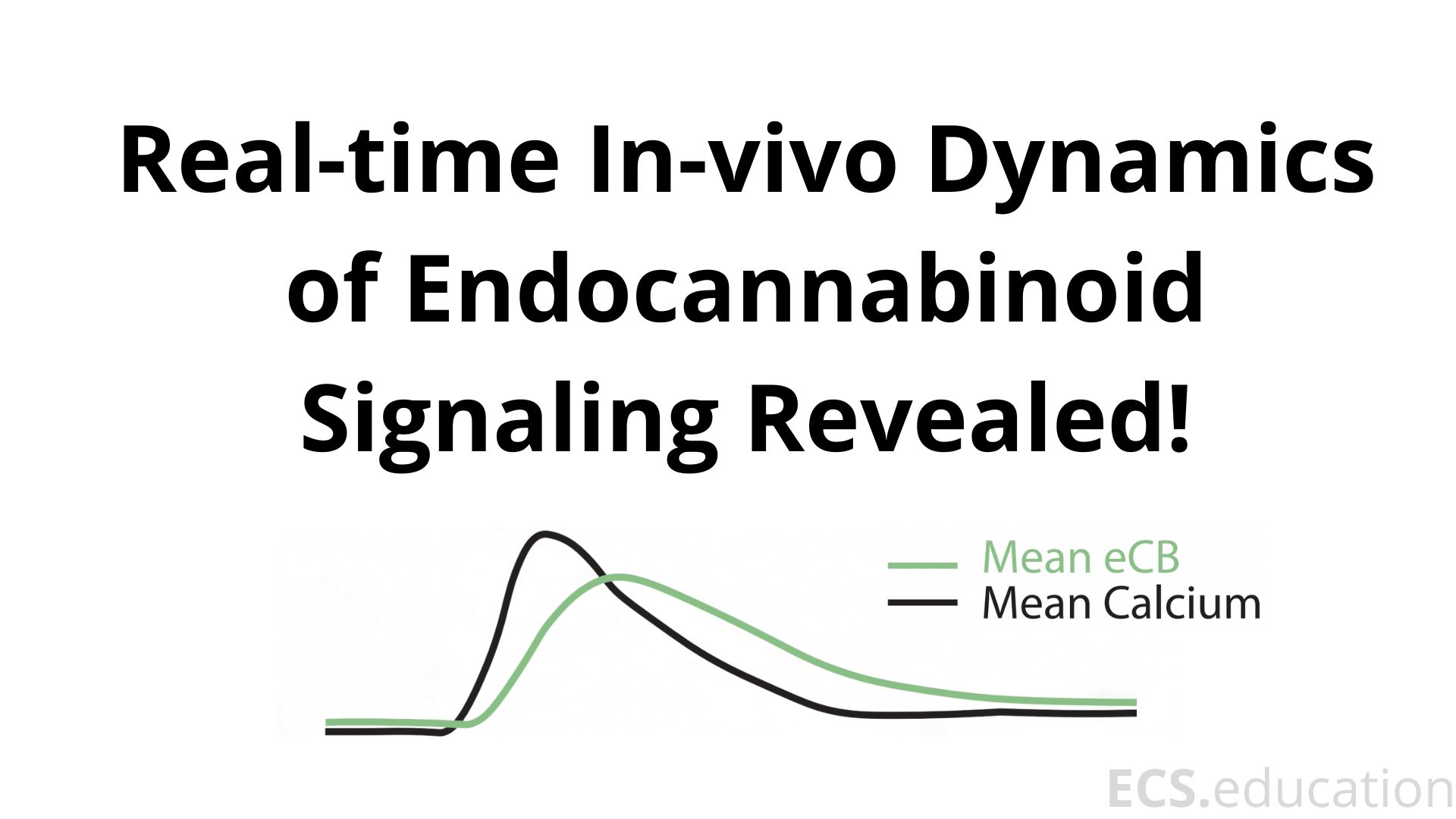
Seeing is Believing: New Tech Reveals How The Endocannabinoid System Works in Real-Time
A paradigm-shifting review in Neuron (Malhotra et al., 2025) highlights how new technologies allow scientists to visualize endocannabinoid (ECS) dynamics in real-time in behaving animals. This post breaks down the key breakthroughs, including the central role of 2-AG in rapid signaling, its precision, its function in memory and seizures, and the implications for healthcare professionals and medical cannabis.