
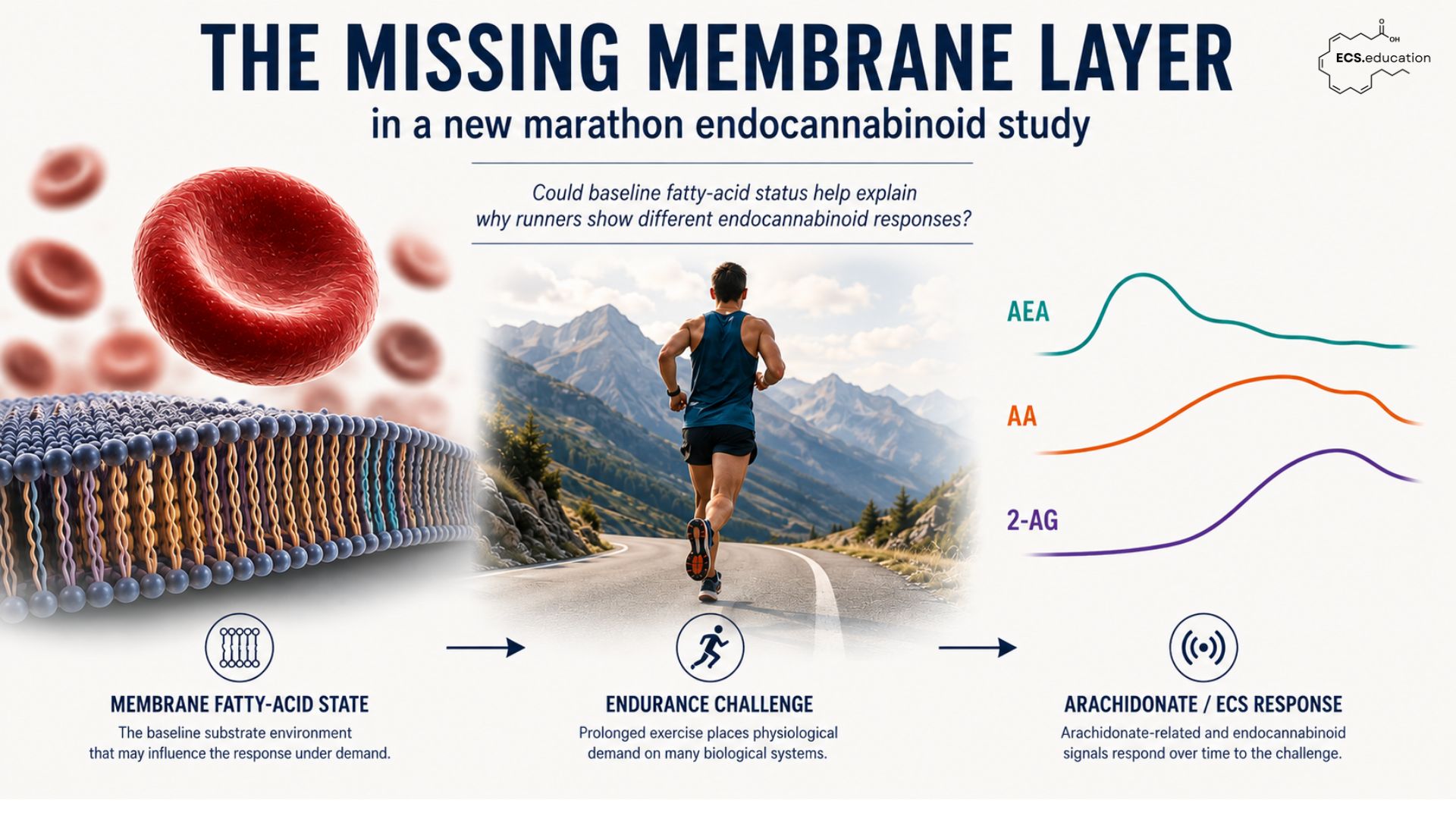
A new BMC Medicine study shows that marathon running triggers distinct temporal changes in anandamide, 2-AG and arachidonic acid. The missing piece may be the runners’ membrane fatty-acid state before exercise.
Tag: Anandamide
Endocannabinoid System (ECS)
Read more
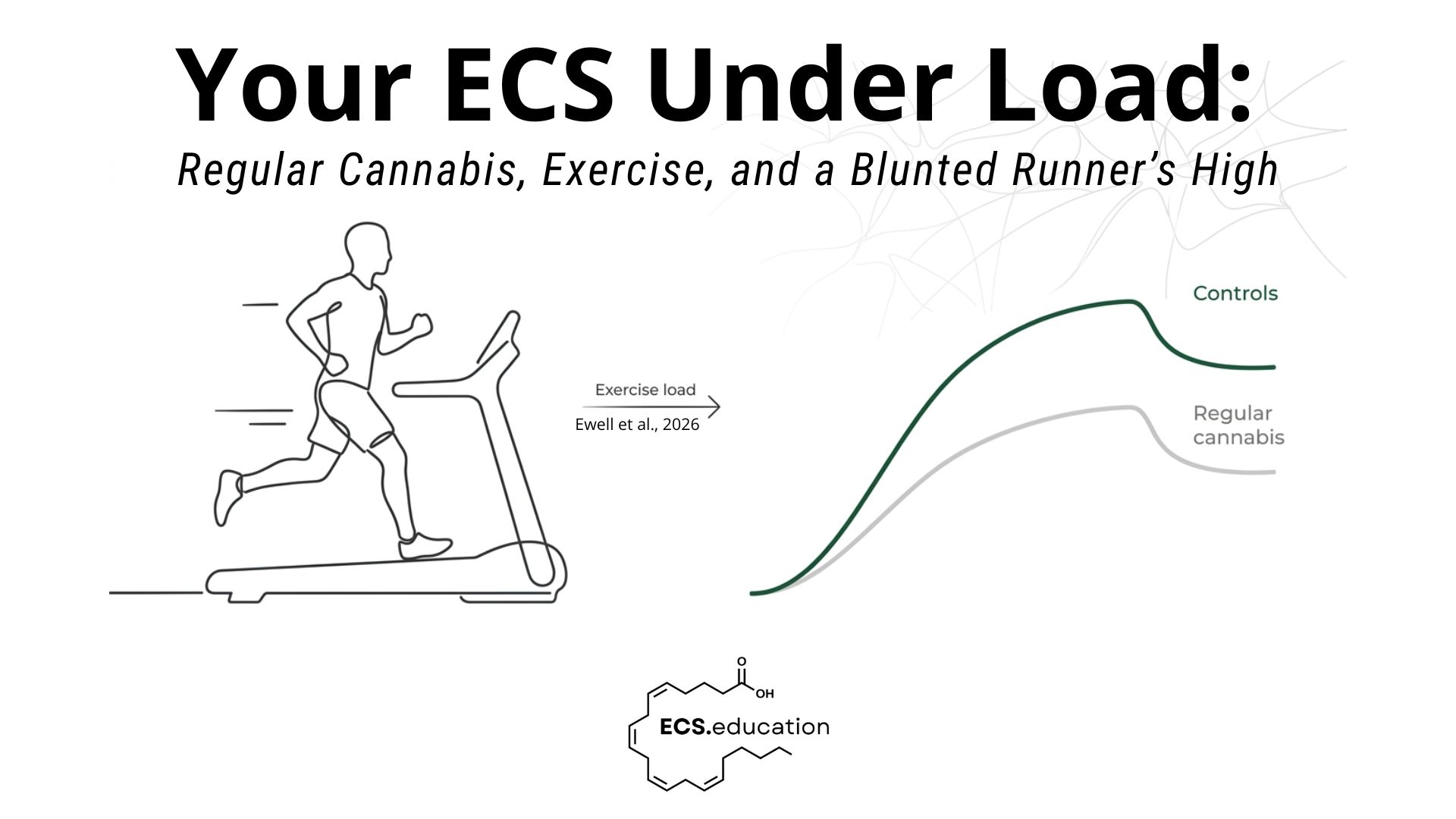
Your ECS Under Load: Regular Cannabis, Exercise, and a Blunted Runner’s High
Your ECS under load, not at rest Most cannabis conversations live in the acute space: “How does it feel when I’m high?” or in vague long‑term boxes like “motivation” or “psychosis risk.” Almost nobody asks the more mechanistic question that actually matters for resilience: What does your endocannabinoid system do…
Critical analysis

Read more
The Missing System: How a Major 2026 Review on Cardiometabolic Health Ignores the Endocannabinoid System
Last August, I wrote about a troubling pattern in inflammation research: brilliant scientists studying arachidonic acid metabolism while remaining “blissfully unaware that half the arachidonic acid story exists in a parallel research universe.” I documented how eicosanoid researchers and endocannabinoid scientists study the same substrate, same concentration ranges, same tissues—yet publish in…
Endocannabinoid System (ECS)
Read more
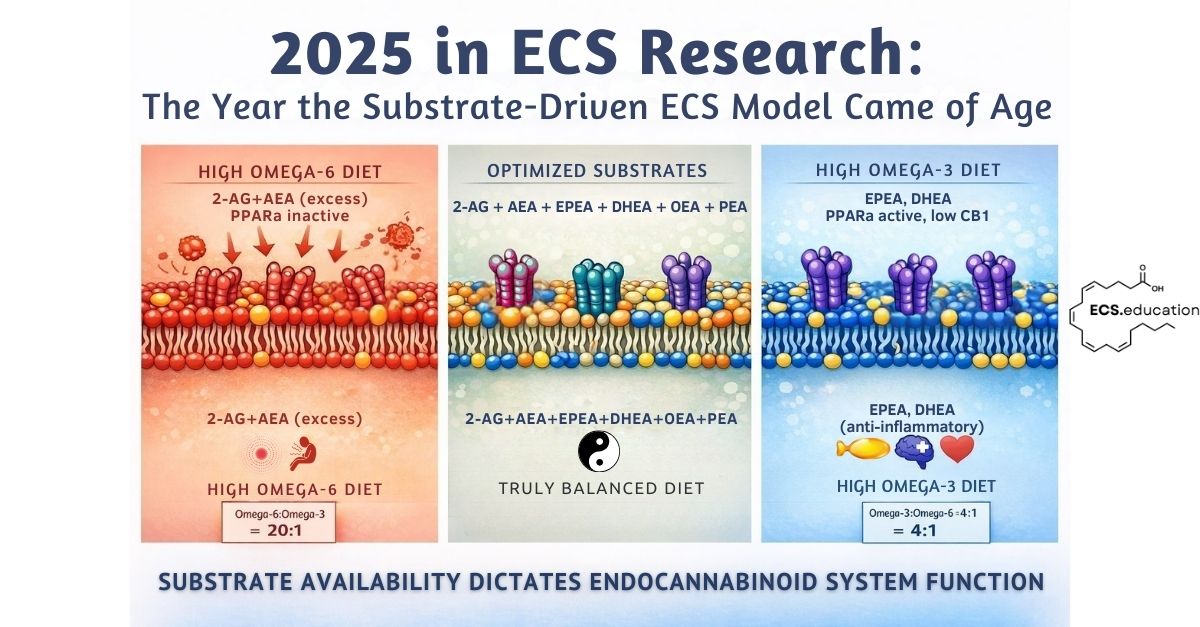
2025 in ECS Research: The Year the Substrate-Driven ECS Model Came of Age
Endocannabinoid system substrate—specifically membrane fatty acid composition—is the primary determinant of CB1 receptor function, not genetics or receptor density. For years, I’ve been making the case that endocannabinoid system function is not primarily about receptor density or genetic variants, it’s about substrate availability. The composition of fatty acids in cell…
Endocannabinoid System (ECS)
Read more
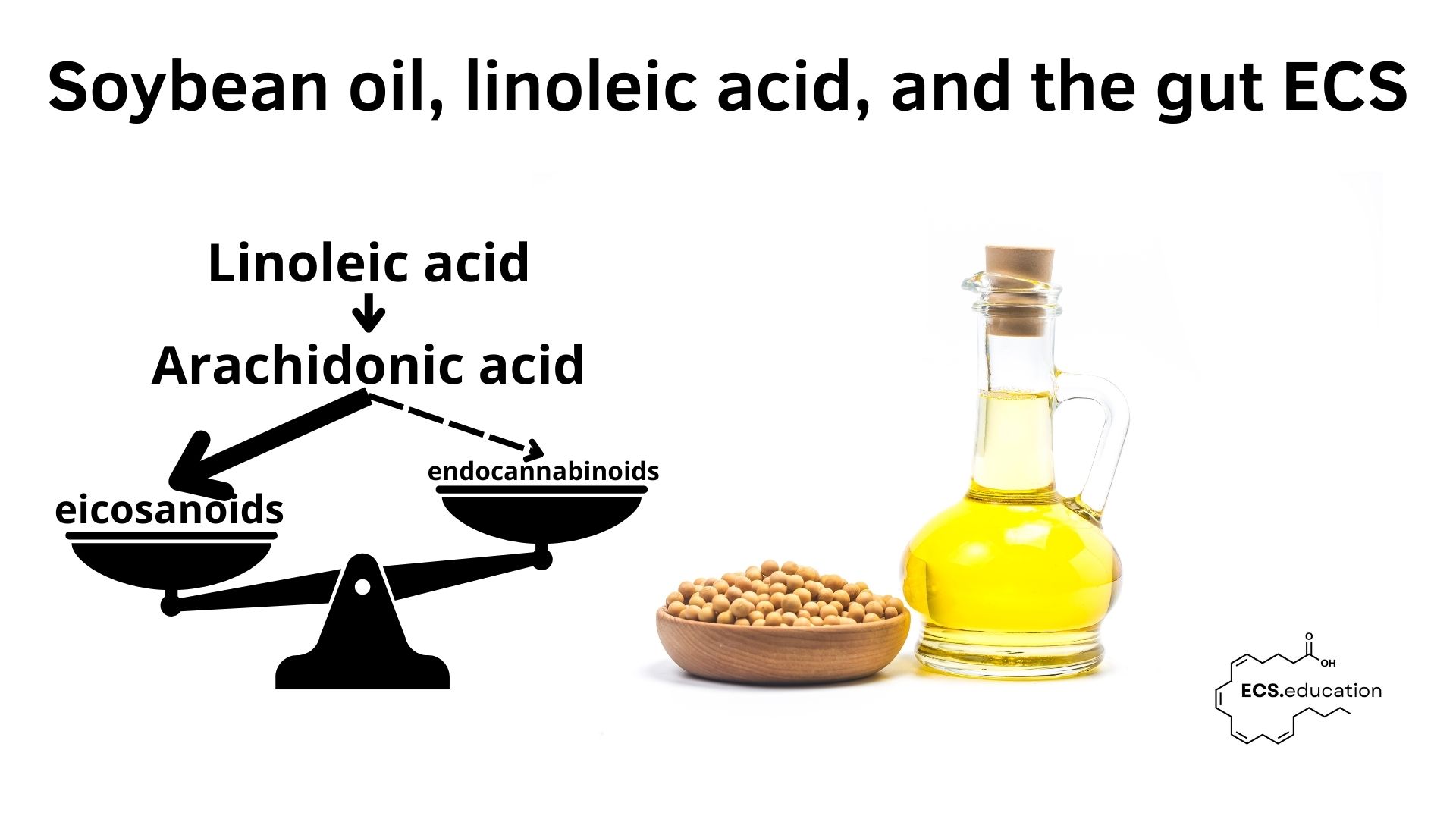
Soybean oil, linoleic acid, and the gut ECS
A recent study titled ‘Diet high in linoleic acid dysregulates the intestinal endocannabinoid system and increases susceptibility to colitis in Mice‘ shows that eating a lot of linoleic acid from soybean oil changes lipid chemistry in the gut in a way that weakens the protective endocannabinoid system and strengthens inflammatory…
Commentary
Read more
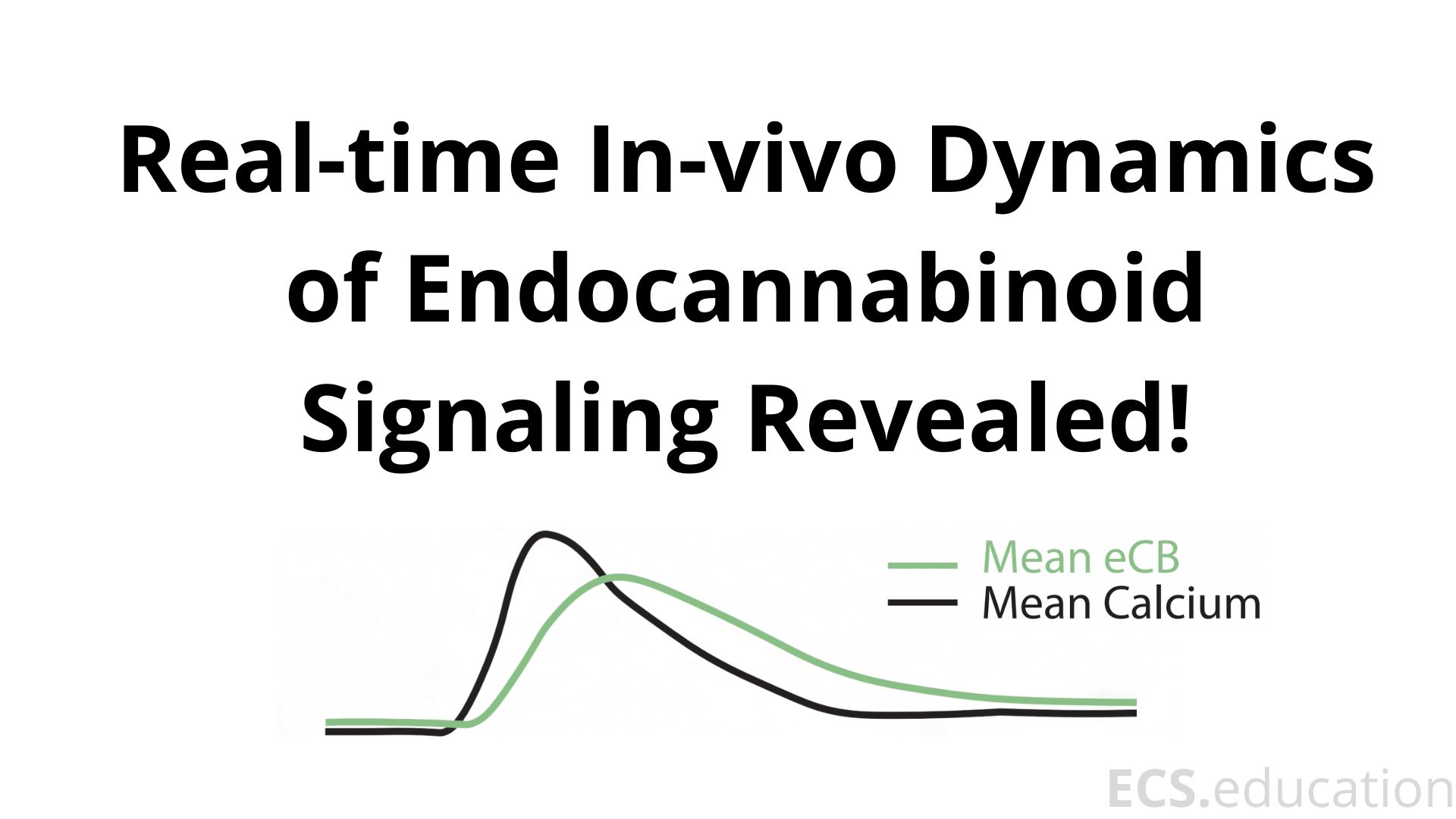
Seeing is Believing: New Tech Reveals How The Endocannabinoid System Works in Real-Time
A paradigm-shifting review in Neuron (Malhotra et al., 2025) highlights how new technologies allow scientists to visualize endocannabinoid (ECS) dynamics in real-time in behaving animals. This post breaks down the key breakthroughs, including the central role of 2-AG in rapid signaling, its precision, its function in memory and seizures, and the implications for healthcare professionals and medical cannabis.
Scientific Summary

Read more
A Paradigm-Shift in Endocannabinoidome Pharmacology – Adenylyl Cyclases as Lipid-Sensing Receptors
Introduction: A New Role for Dietary Fats For decades, fats have been categorized as either “good” or “bad,” depending on their effects on cholesterol or calorie counts. However, groundbreaking research by Landau etal. (2024) reveals that fats are far more than energy sources—they act as cellular signalsthat directly influence how our cells function. The study shows that adenylyl cyclases (ACs)—enzymes traditionally…