
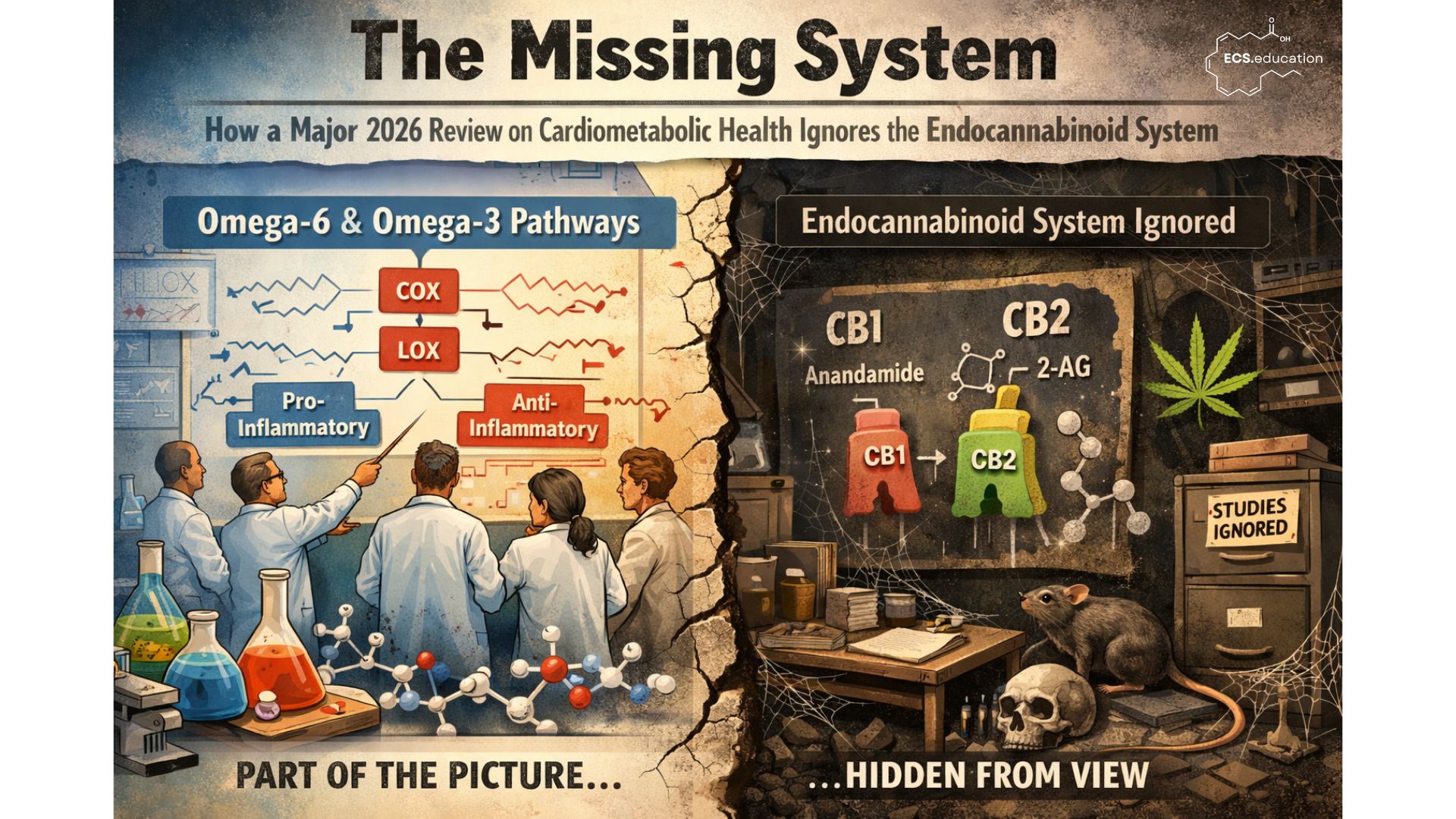
Last August, I wrote about a troubling pattern in inflammation research: brilliant scientists studying arachidonic acid metabolism while remaining “blissfully unaware that half the arachidonic acid story exists in a parallel research universe.” I documented how eicosanoid researchers and endocannabinoid scientists study the same substrate, same concentration ranges, same tissues—yet publish in…
Category: Uncategorized
Endocannabinoid System (ECS)
Read more
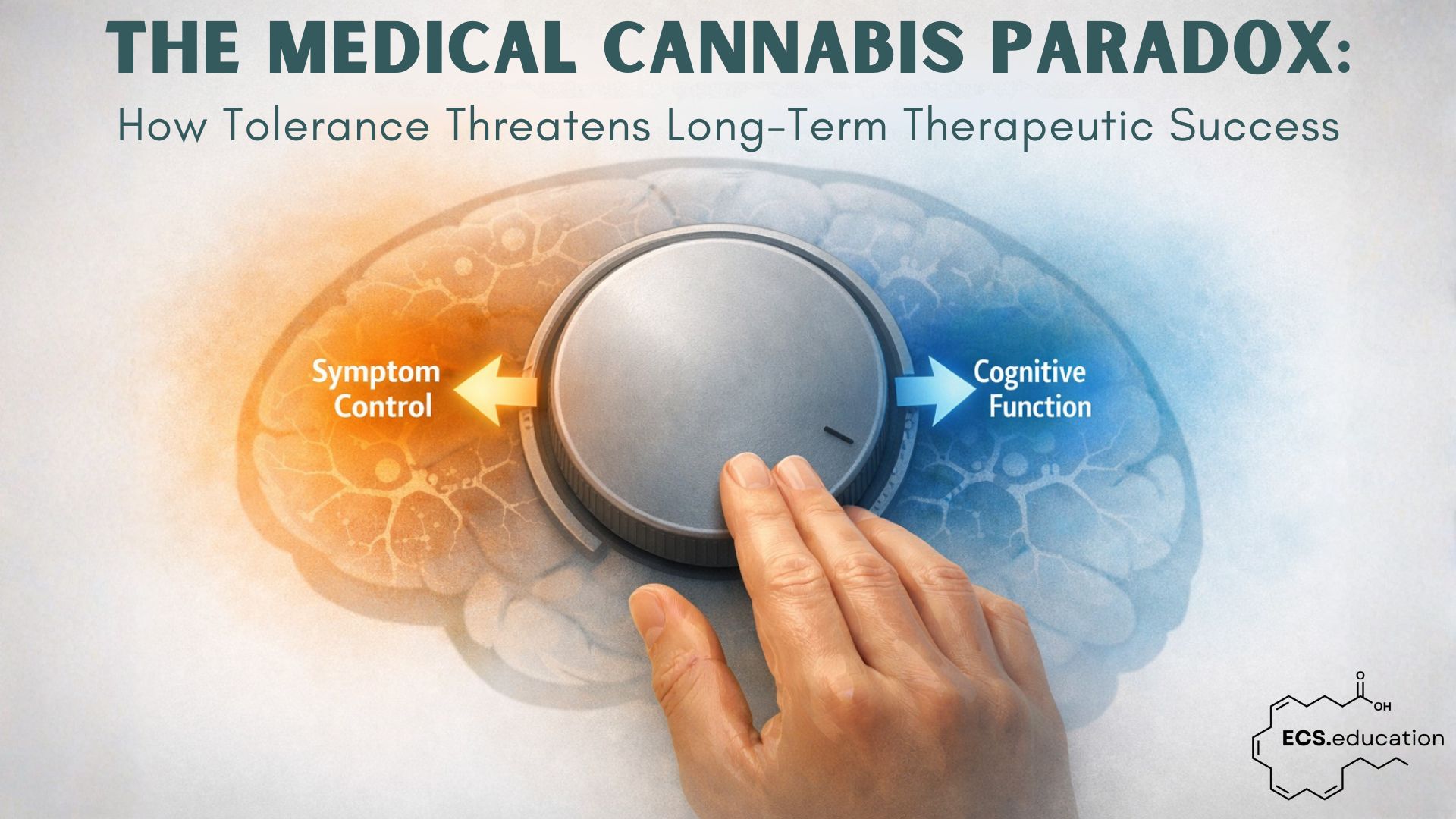
The Medical Cannabis Paradox: How Tolerance Threatens Long-Term Therapeutic Success
A follow-up to “CB1 Availability as a Non-Invasive Biomarker: Bridging Endocannabinoid System Dysfunction and Therapeutic Monitoring“ The Emerging Evidence: Tolerance is Real and Quantifiable A recent study published in Frontiers in Pharmacology (2025) provided the first systematic measurement of how tolerance accumulates during medical cannabis treatment (Stith et al., 2025). Using real-world…
Uncategorized
Read more
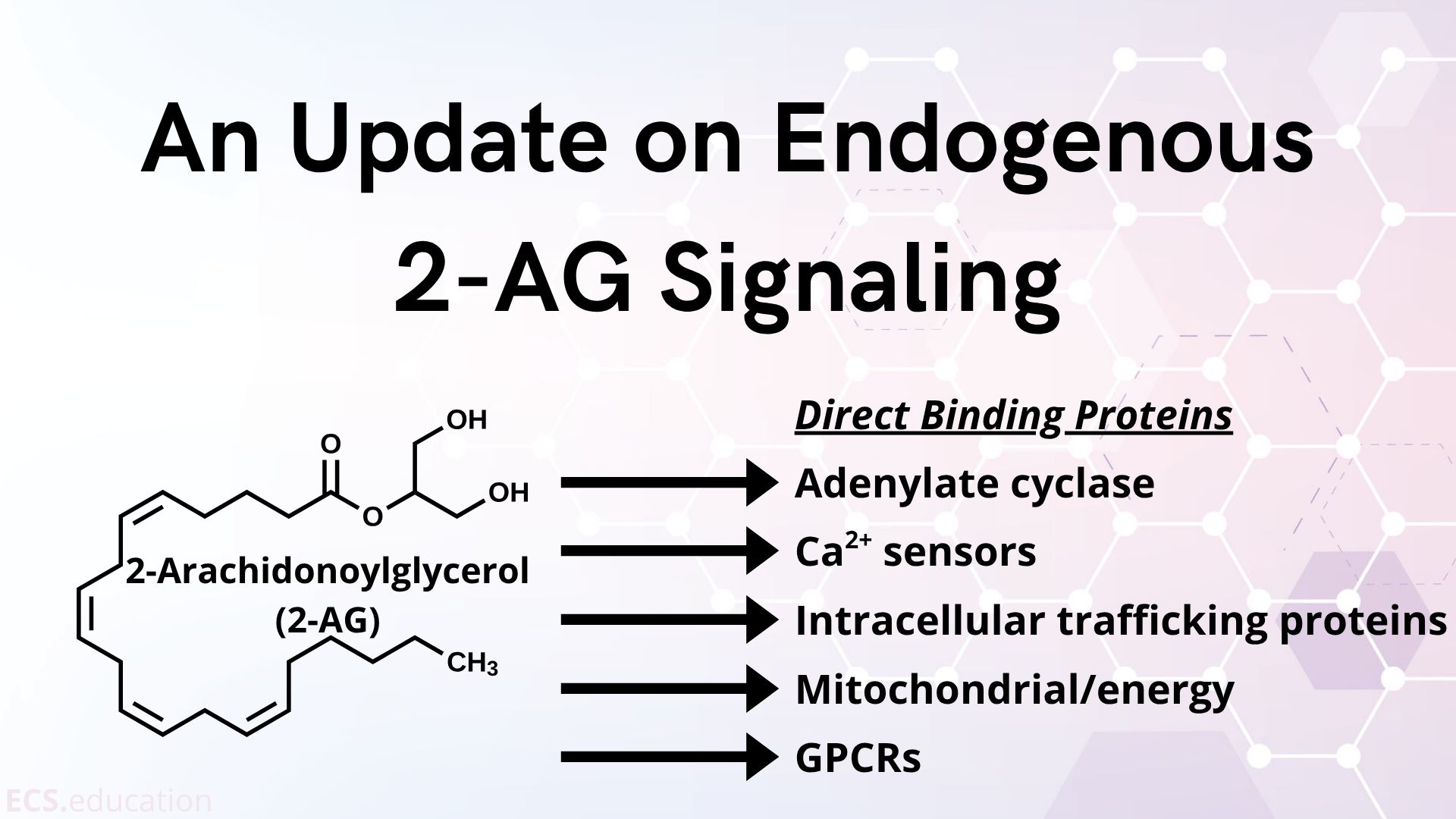
An Update on Endogenous 2-AG Signaling: New Mechanisms and Cellular Integration
Introduction: The Evolution of an Idea When I first began my career in molecular pharmacology, the endocannabinoid system (ECS) quickly became a source of intrigue. Here was a unique receptor system, defined by its enigmatic lipid messengers and central role in brain physiology. Like many, I was trained to see 2-arachidonoylglycerol (2-AG) as a classic retrograde messenger, acting through G protein-coupled receptors (GPCRs), and to view intracellular signaling as a tightly…
Scientific Summary
Read more
A Paradigm-Shift in Endocannabinoidome Pharmacology – Adenylyl Cyclases as Lipid-Sensing Receptors
Introduction: A New Role for Dietary Fats For decades, fats have been categorized as either “good” or “bad,” depending on their effects on cholesterol or calorie counts. However, groundbreaking research by Landau etal. (2024) reveals that fats are far more than energy sources—they act as cellular signalsthat directly influence how our cells function. The study shows that adenylyl cyclases (ACs)—enzymes traditionally…
Uncategorized
Read more
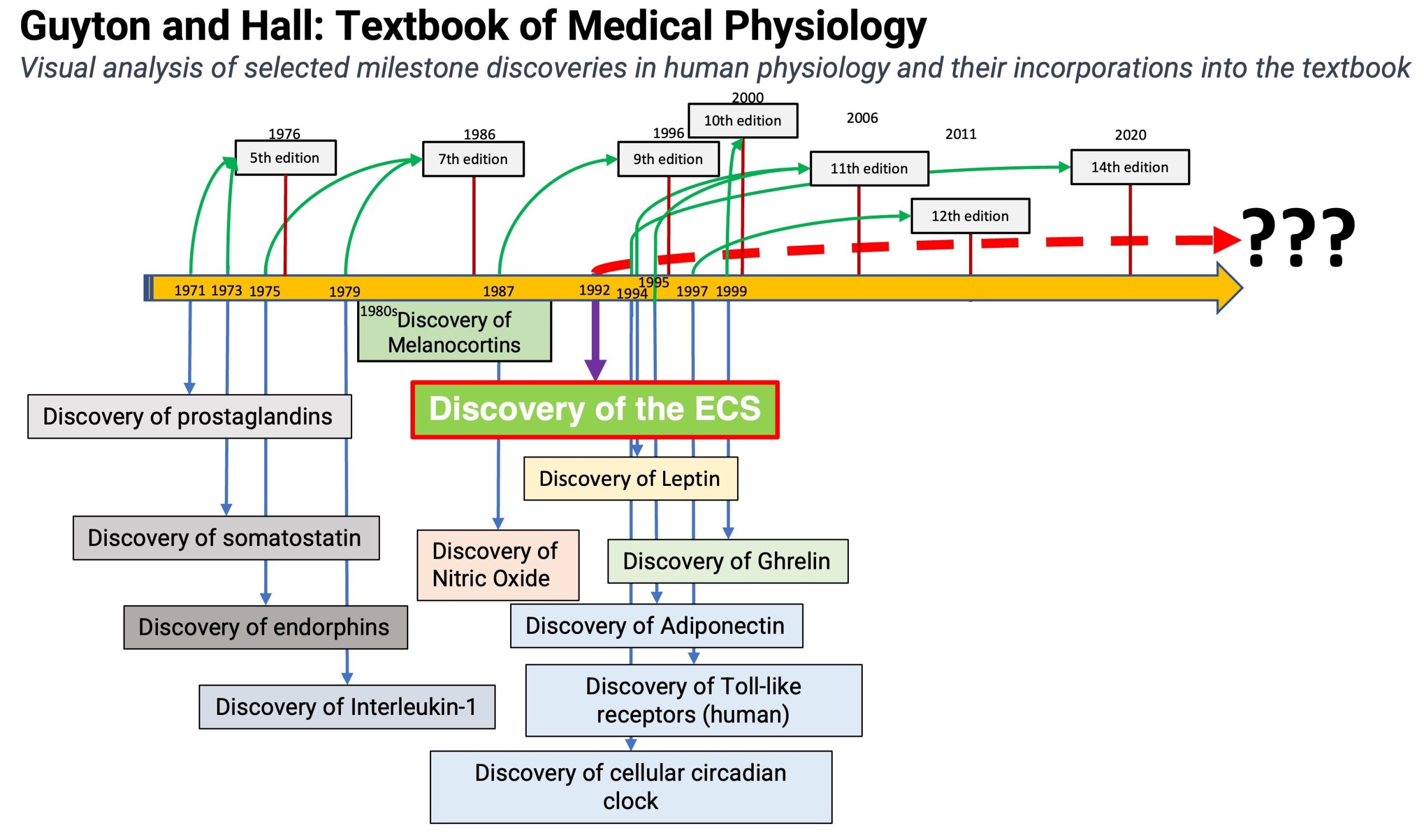
Medical Textbooks Completely Ignore the Endocannabinoid System
The Guyton and Hall Textbook of Medical Physiology, a cornerstone of medical education, has consistently overlooked the endocannabinoid system (ECS) for 32 years. This omission of a crucial physiological suprasystem from medical textbooks has far-reaching consequences for patient care and our understanding of human biology. It’s time to address this knowledge gap and ensure future healthcare providers receive comprehensive education on the ECS.