
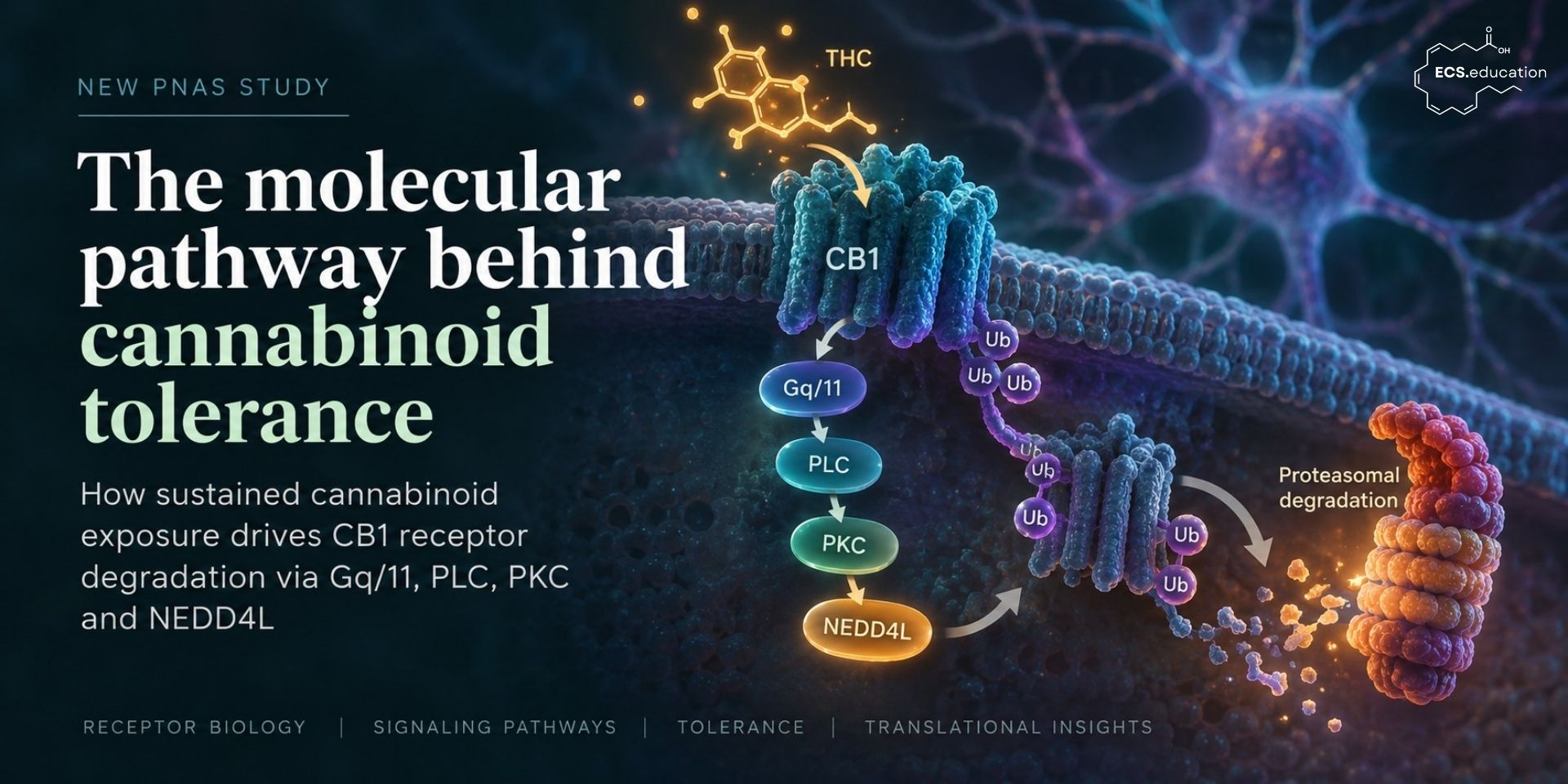
A new PNAS study identifies a previously underappreciated Gq/11–PLC–PKC–NEDD4L pathway that marks CB1 receptors for proteasomal degradation. The findings help explain how repeated THC exposure can reduce receptor availability and contribute to cannabinoid tolerance.
Category: Medical Cannabis
Endocannabinoid System (ECS)
Read more
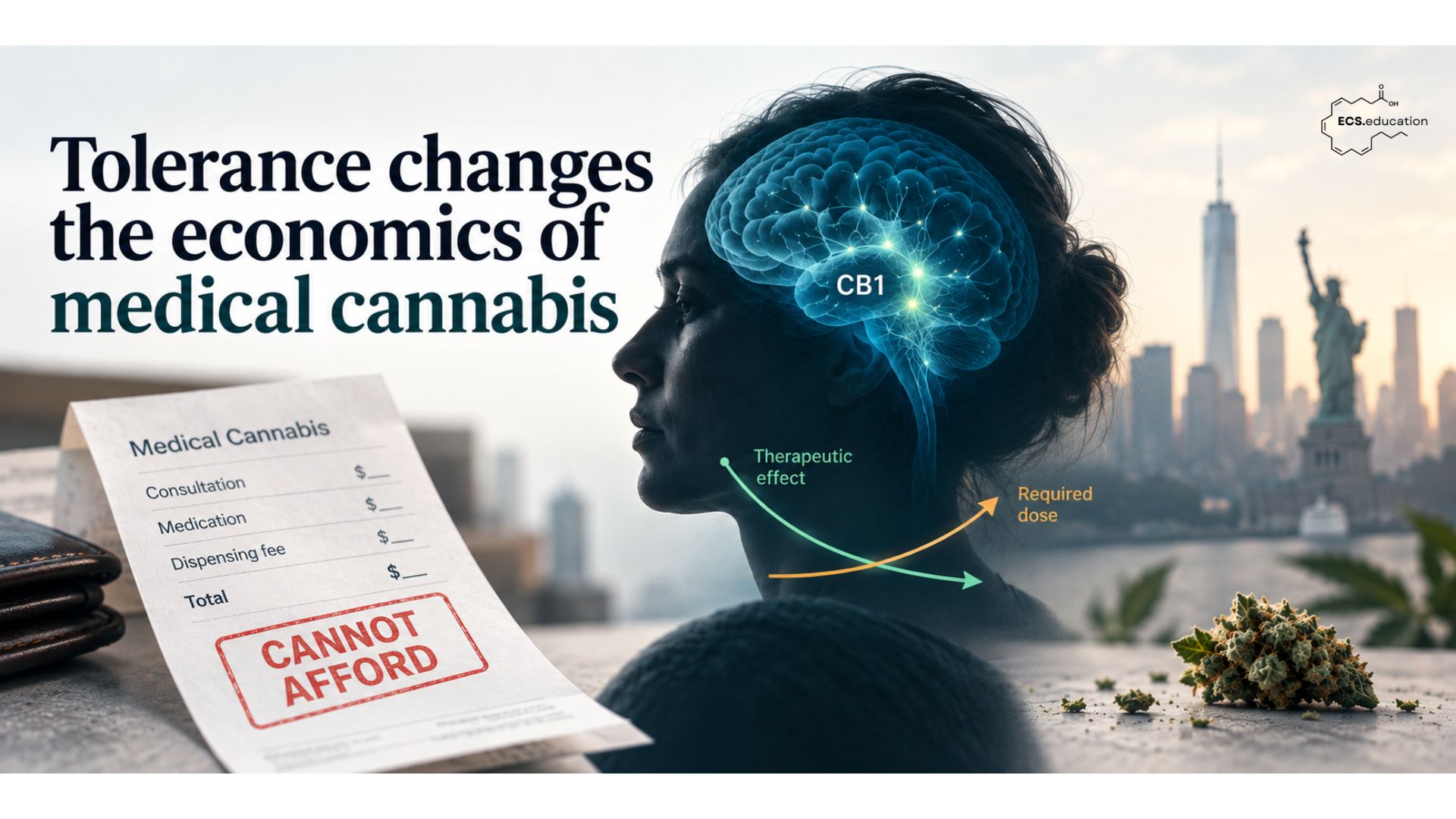
Tolerance changes the economics of medical cannabis
A New York study found that 49% of surveyed medical cannabis patients could not afford enough cannabis to manage their symptoms. This article examines a missing variable in the affordability debate: whether chronic high-THC exposure, tolerance and CB1 adaptation may increase the amount of cannabis required for sustained therapeutic effect.
Endocannabinoid System (ECS)
Read more
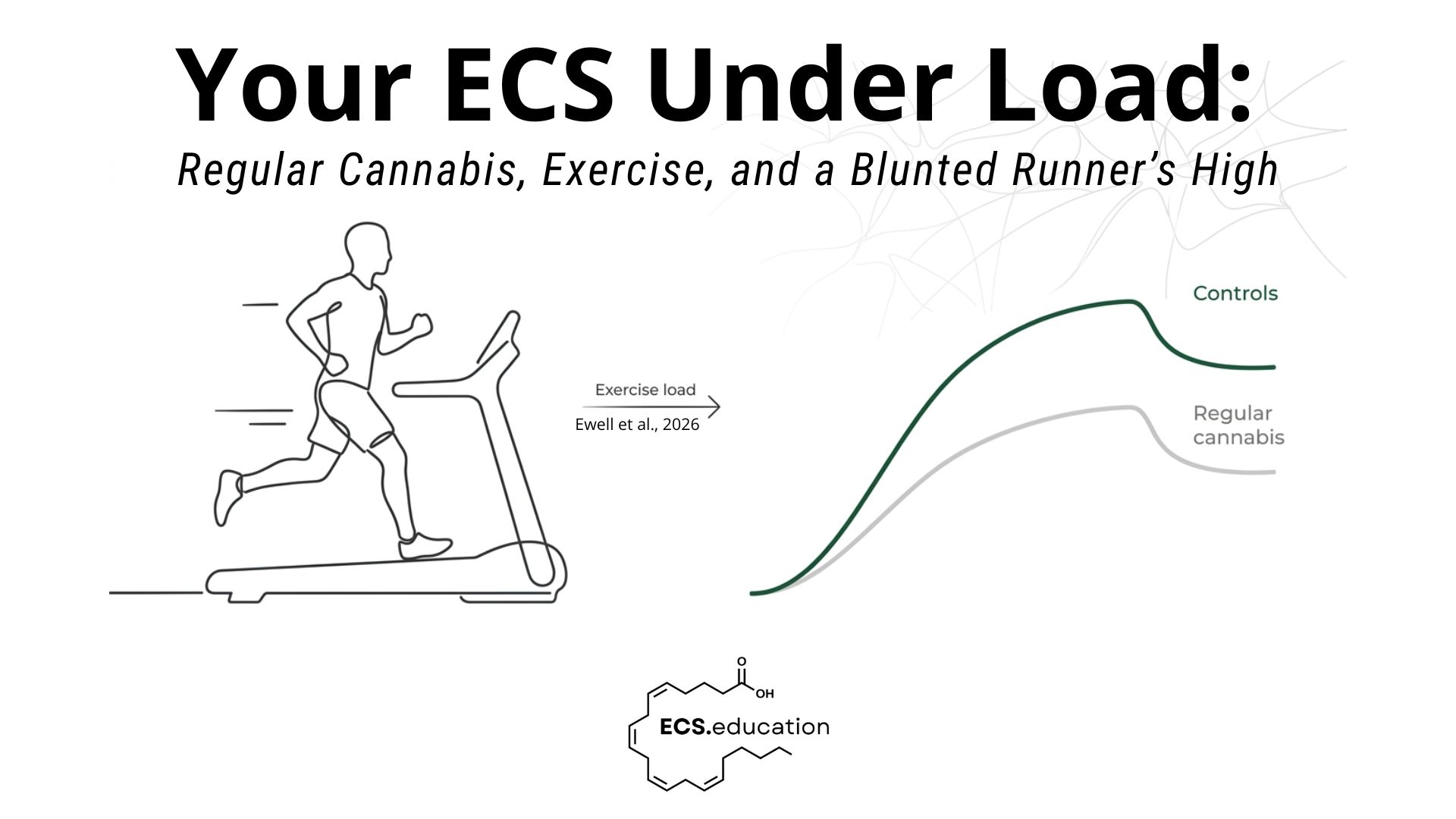
Your ECS Under Load: Regular Cannabis, Exercise, and a Blunted Runner’s High
Your ECS under load, not at rest Most cannabis conversations live in the acute space: “How does it feel when I’m high?” or in vague long‑term boxes like “motivation” or “psychosis risk.” Almost nobody asks the more mechanistic question that actually matters for resilience: What does your endocannabinoid system do…
Endocannabinoid System (ECS)
Read more
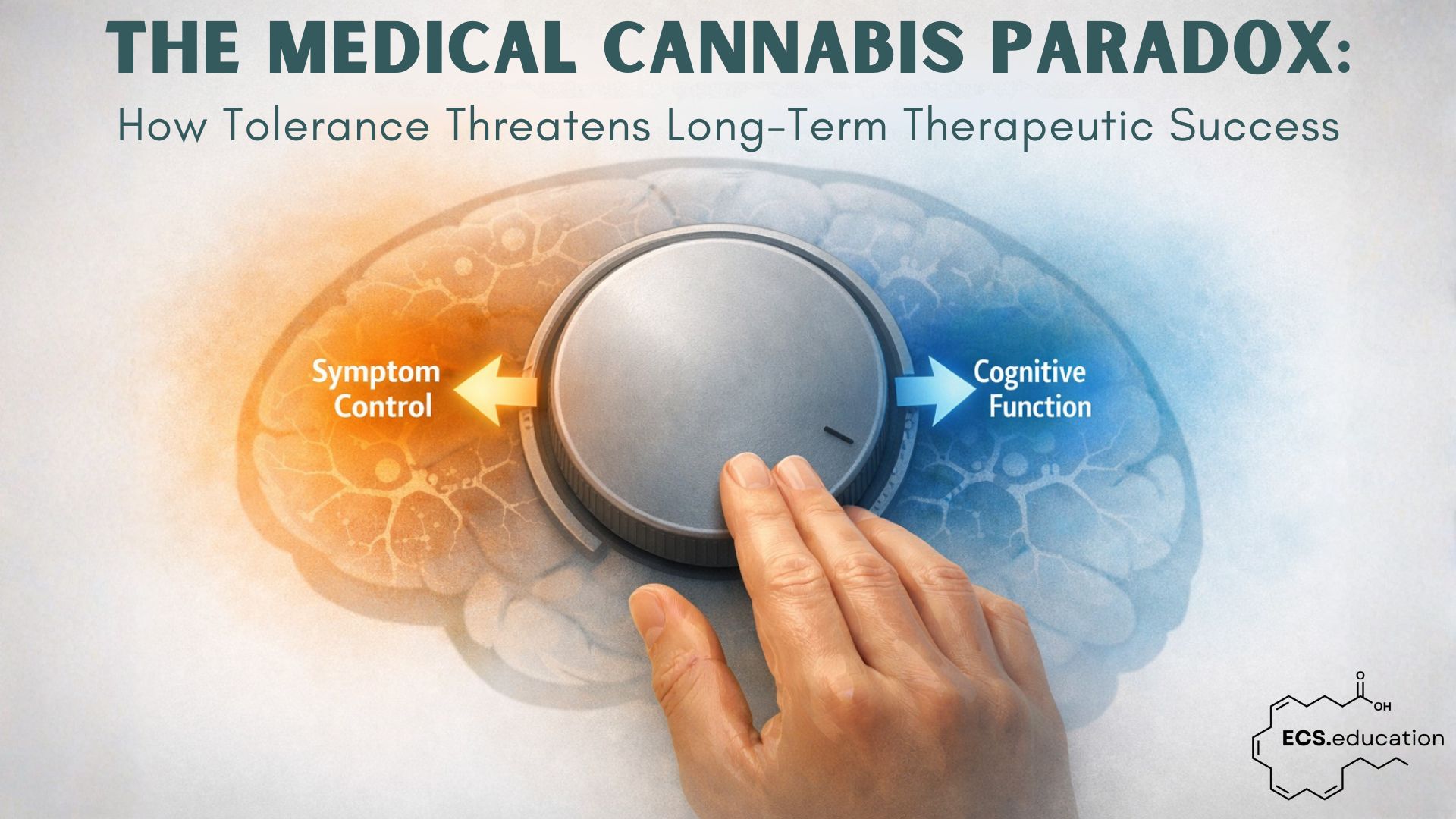
The Medical Cannabis Paradox: How Tolerance Threatens Long-Term Therapeutic Success
A follow-up to “CB1 Availability as a Non-Invasive Biomarker: Bridging Endocannabinoid System Dysfunction and Therapeutic Monitoring“ The Emerging Evidence: Tolerance is Real and Quantifiable A recent study published in Frontiers in Pharmacology (2025) provided the first systematic measurement of how tolerance accumulates during medical cannabis treatment (Stith et al., 2025). Using real-world…
Critical analysis

Read more
JAMA, Medical Cannabis and the Endocannabinoid Blind Spot
There is a saying in science: Absence of evidence is not evidence of absence. But in the case of the recent JAMA review on the therapeutic use of cannabis, I would propose a correction: Absence of mechanistic insight leads to the illusion of insufficient evidence. A new medical cannabis review published this…
Drug Policy
Read more
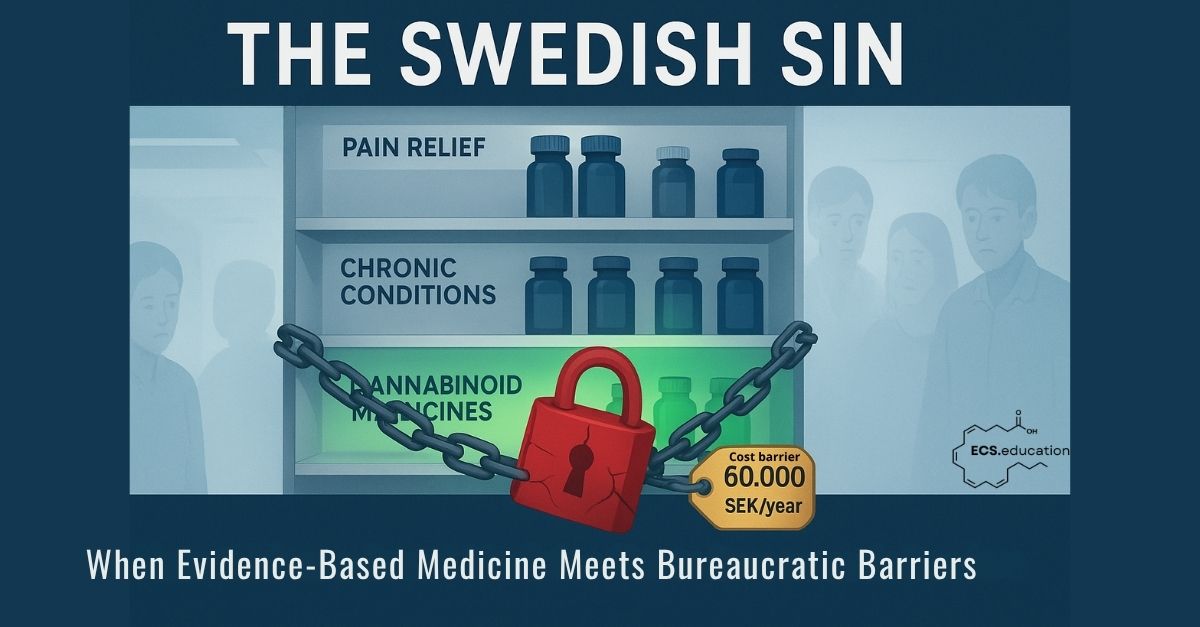
The Swedish Sin: When Evidence-Based Medicine Meets Bureaucratic Barriers
Sweden claims to have medical cannabis. We tell patients it’s legal. But TLV threatens to make it financially inaccessible (60,000 vs 2,900 SEK/year), regions threaten to fire doctors who prescribe it, and medical schools don’t teach the biology. How bureaucratic ignorance kills a medical intervention without ever banning it.