
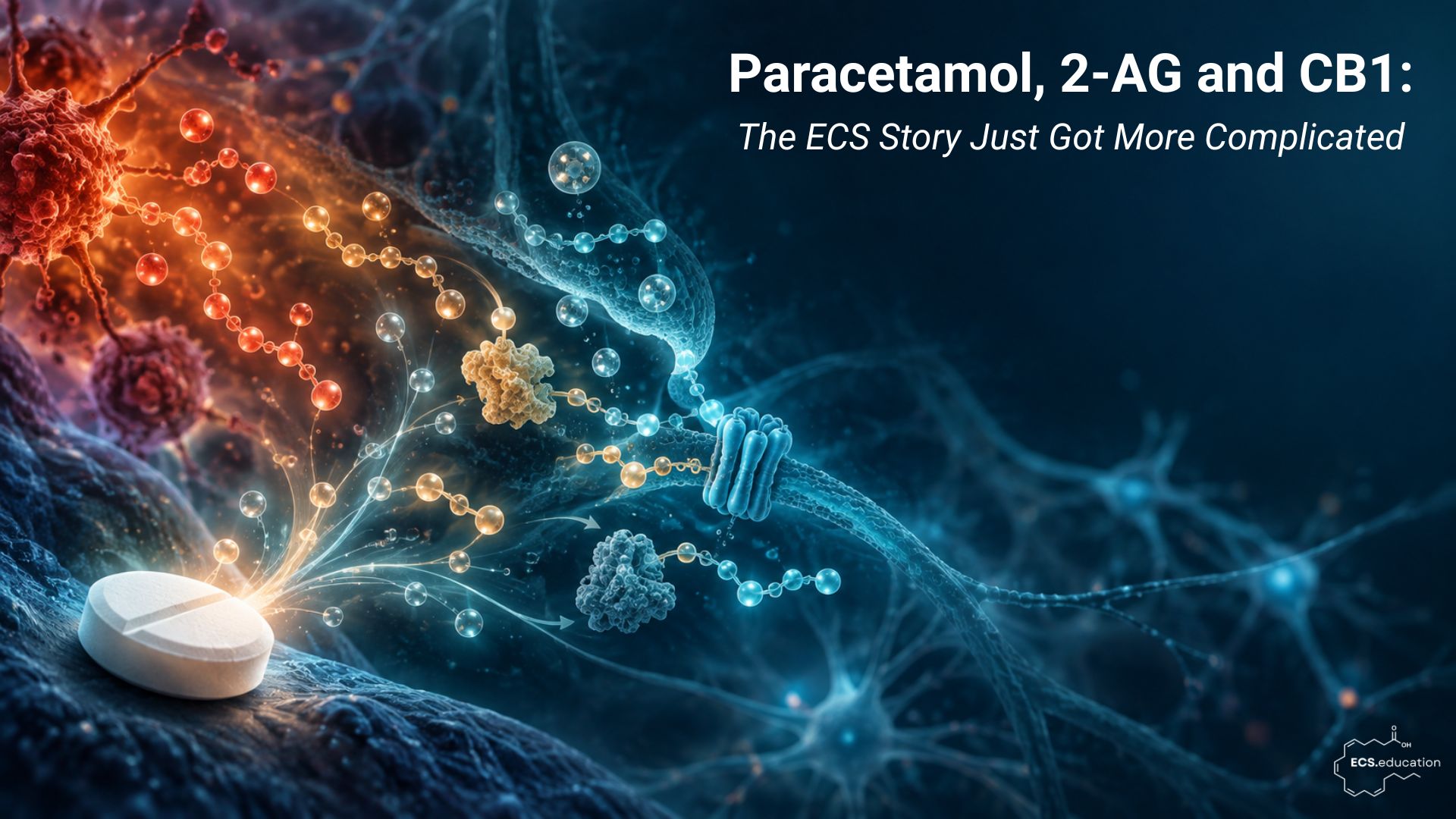
New mouse research reveals that paracetamol’s pain-relieving effects depend on CB1 receptors and the enzymes DAGL and MAGL, while reshaping prostaglandin and wider lipid signalling.
Tag: Paracetamol
Autism Spectrum DIsorder (ASD)

Read more
Lipidomic Markers Predict Autism Through ECS Dysfunction
Autism research has long struggled with a fundamental question: why do so many disparate findings (maternal nutrition, inflammation, mitochondrial dysfunction, environmental exposures) all seem to correlate with ASD risk? A new systematic review may have inadvertently provided the unifying answer, though the authors themselves haven’t yet connected the dots. A…
Endocannabinoid System (ECS)
Read more
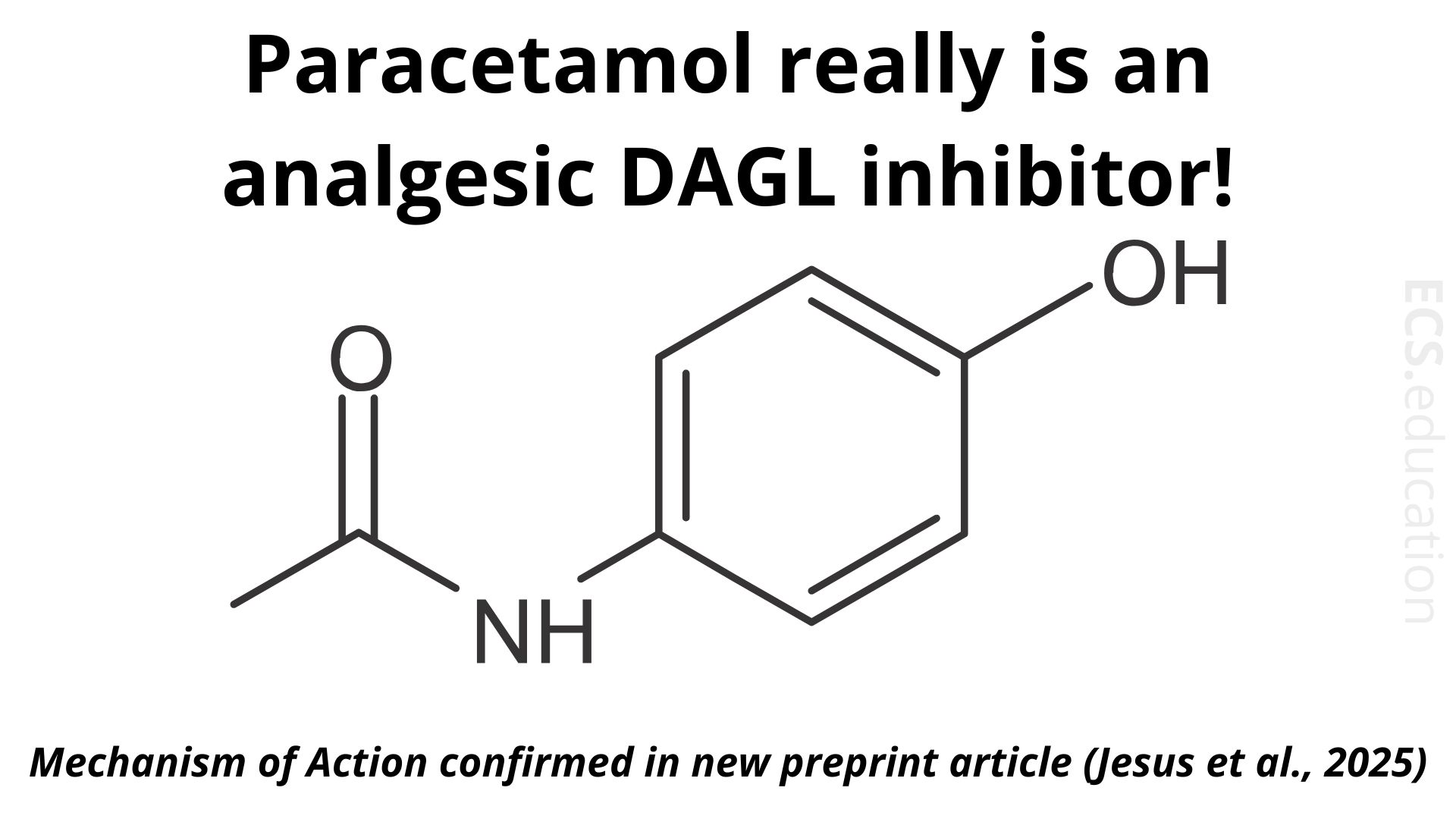
Paracetamol Confirmed as a Direct Analgesic DAGL Inhibitor: New Preprint Evidence
Important Note: This blog post discusses findings from a recent scientific preprint, meaning the research has not yet been formally peer-reviewed. Preprints allow for rapid dissemination of findings, but results should be interpreted cautiously until confirmed by peer-reviewed publication. Recently, we reported on a surprising new way that paracetamol (also known…
Pharmacology

Read more
Acetaminophen (APAP) & the ECS: A Surprising New Twist in How Tylenol Really Works
New research upends our understanding of how acetaminophen (paracetamol) provides pain relief via the endocannabinoid system. Discover how it directly inhibits DAGLα, reducing 2-AG levels – a surprising twist on conventional ECS wisdom. Explore the implications for future drug development.