
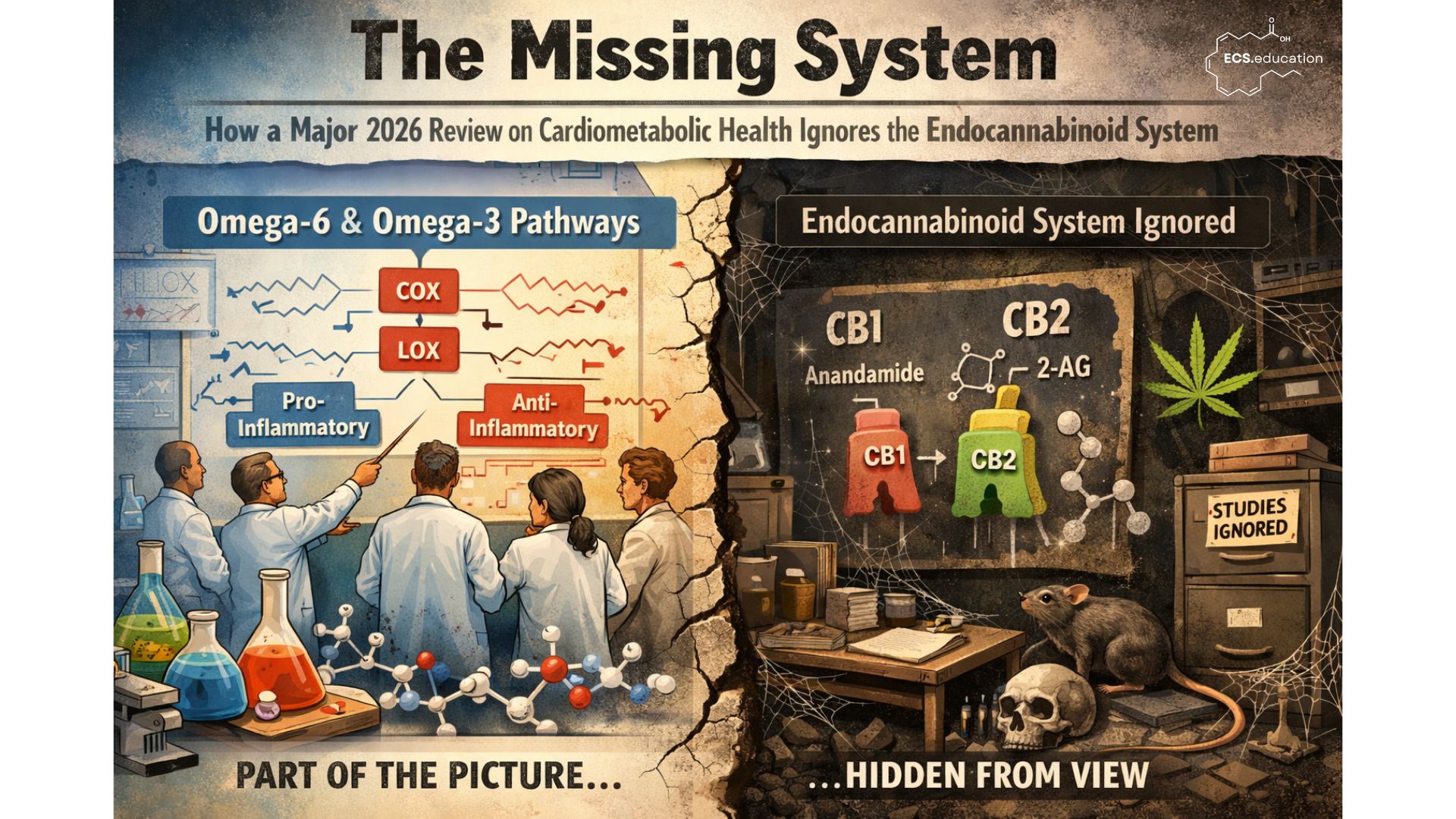
Last August, I wrote about a troubling pattern in inflammation research: brilliant scientists studying arachidonic acid metabolism while remaining “blissfully unaware that half the arachidonic acid story exists in a parallel research universe.” I documented how eicosanoid researchers and endocannabinoid scientists study the same substrate, same concentration ranges, same tissues—yet publish in…
Tag: Omega-6
Endocannabinoid System (ECS)

Read more
The New US Dietary Guidelines: Eat to Support Your ECS
This article explains how the endocannabinoid system is shaped by diet, especially omega‑6 and omega‑3 fats. The 2025–2030 US Dietary Guidelines process is quietly doing something profound. On the surface, it might look like another technical update about fat intake, unsaturated oils, and seafood recommendations. But underneath that familiar language sits…
Endocannabinoid System (ECS)
Read more
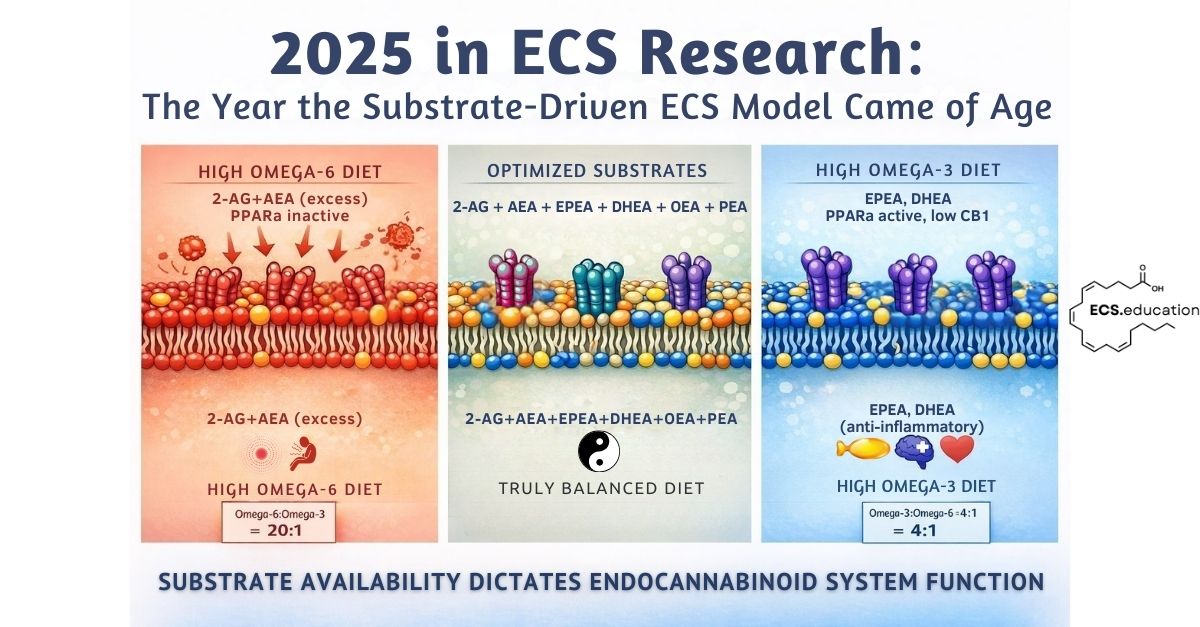
2025 in ECS Research: The Year the Substrate-Driven ECS Model Came of Age
Endocannabinoid system substrate—specifically membrane fatty acid composition—is the primary determinant of CB1 receptor function, not genetics or receptor density. For years, I’ve been making the case that endocannabinoid system function is not primarily about receptor density or genetic variants, it’s about substrate availability. The composition of fatty acids in cell…
Endocannabinoid System (ECS)

Read more
The Biochemical Plateau: Rethinking Linoleic Acid and Heart Health
The Linoleic Acid Paradox: Protection or Peril? For decades, linoleic acid has enjoyed a privileged place in nutritional policy. It is the cornerstone of “heart-healthy” messaging, the molecular mascot of seed oils, and the quiet passenger in countless processed foods. But beneath this reputation lies a paradox: the very molecule…
Endocannabinoid System (ECS)

Read more
Beyond the ECS: Why you absolutely need a balanced diet
Your body produces its own cannabis-like molecules. Right now, as you read this, your cells are manufacturing compounds that interact with the same receptors that THC targets. But here’s what most people don’t realize: this system extends far beyond what we traditionally call the “endocannabinoid system”, and the food on…
Endocannabinoid System (ECS)
Read more
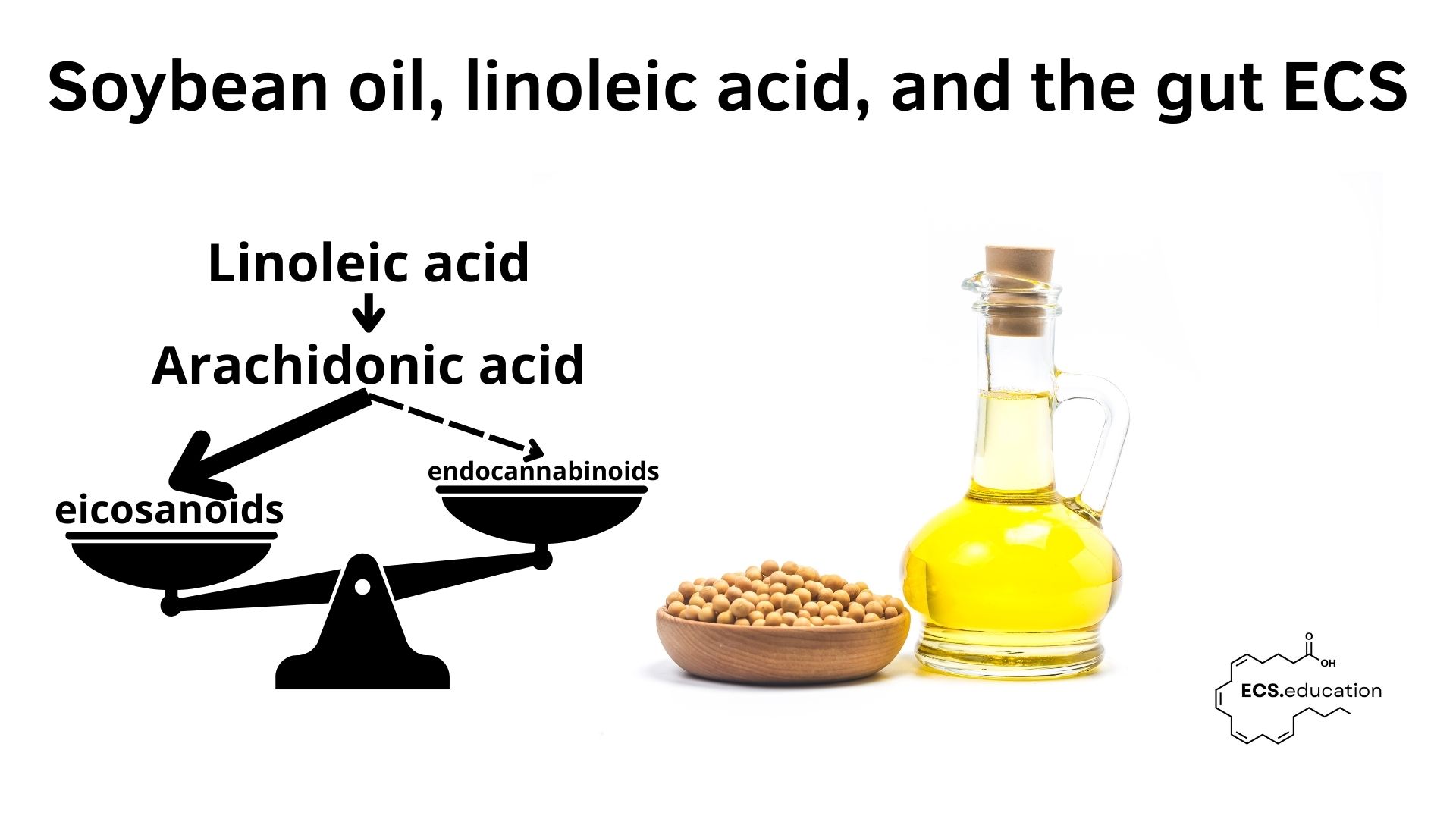
Soybean oil, linoleic acid, and the gut ECS
A recent study titled ‘Diet high in linoleic acid dysregulates the intestinal endocannabinoid system and increases susceptibility to colitis in Mice‘ shows that eating a lot of linoleic acid from soybean oil changes lipid chemistry in the gut in a way that weakens the protective endocannabinoid system and strengthens inflammatory…
Nutrition Science

Read more
Too Much Omega-6? New Link Shows Linoleic Acid Directly Flips a Master Metabolic Switch
Discover how dietary linoleic acid (LA), a major omega-6 fat, directly activates the master metabolic switch mTORC1 through a newly found pathway involving FABP5. Explore the implications for Metabolic Syndrome, potential interactions with the endocannabinoid system (ECS), and what this means for understanding modern diets.
Critical analysis
Read more
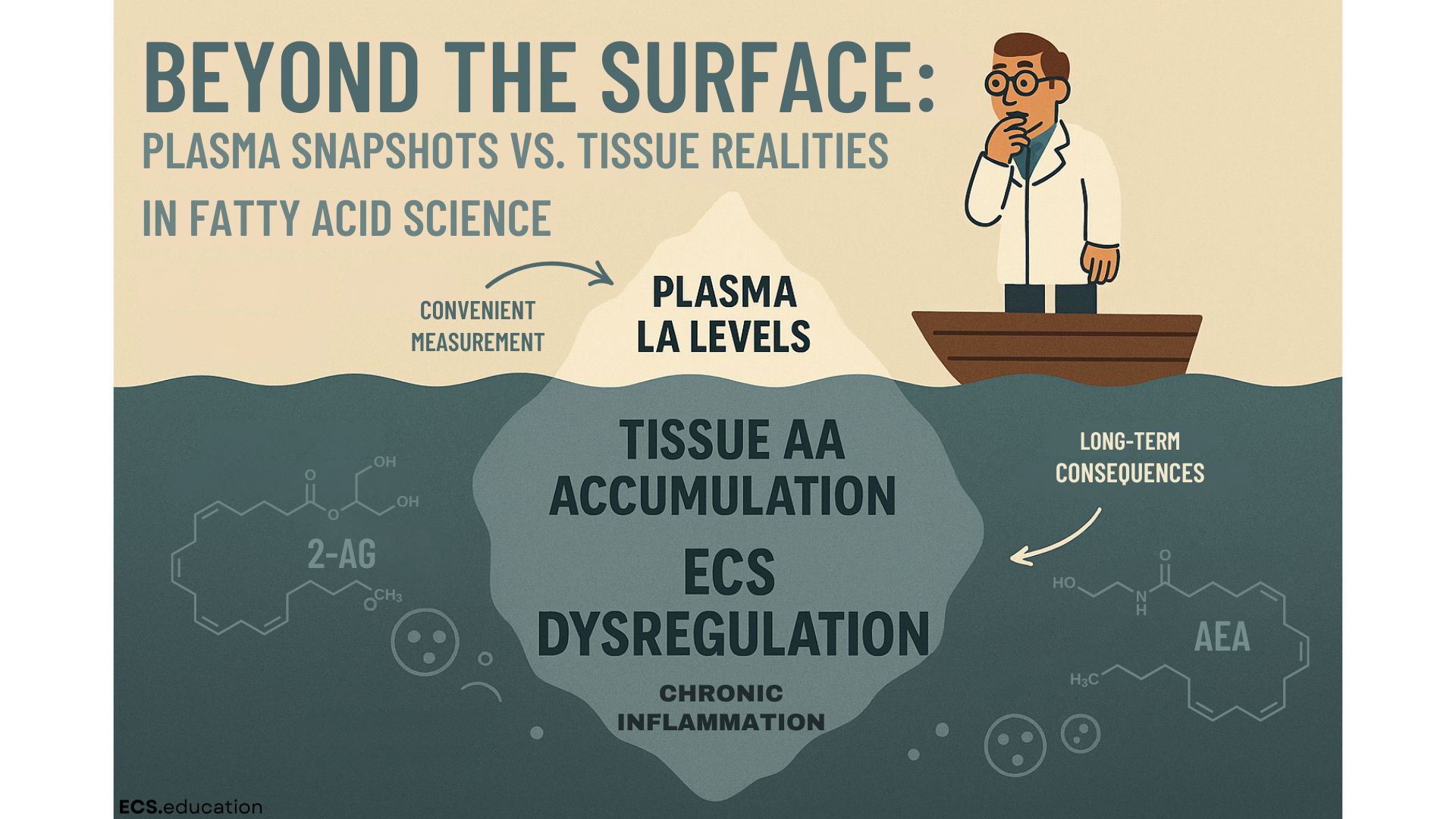
Omega-6, Mortality, and Your ECS: Unpacking the Latest UK Biobank Bombshell
A major UK Biobank study found higher plasma linoleic acid (LA) linked to lower mortality, seemingly contradicting concerns about high dietary omega-6 driving ECS dysfunction. This post unpacks the findings, distinguishing between plasma snapshots and tissue arachidonic acid (AA) realities, and explains why the omega-6/omega-3 balance and ECS perspective remain crucial for understanding metabolic health.
Scientific Summary

Read more
Dietary Omega-3/6 Balance: New Research Links Fatty Acid Ratios to Chronic Disease and Longevity
New research reveals countries with high omega-3 consumption enjoy 2.63 extra years of healthy life expectancy compared to nations with typical Western diets. Groundbreaking clinical evidence shows omega-6 fatty acids increase inflammatory markers while omega-3s counteract these effects. Your starting omega-3/6 baseline significantly impacts how your body responds to dietary interventions, offering new insights for personalized nutrition approaches.
Critical analysis
Read more
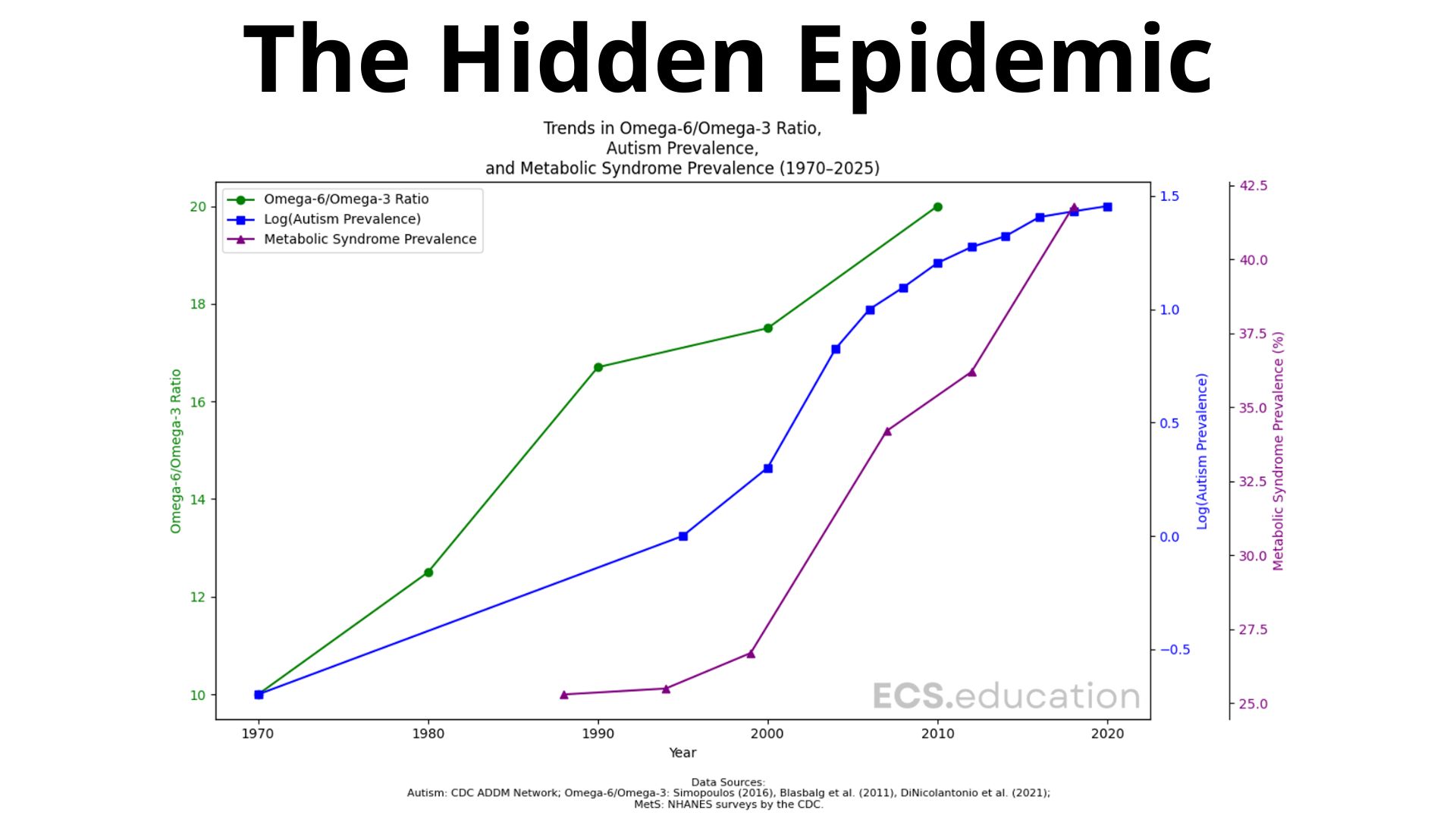
The Hidden Epidemic: ECS Dysfunction at the Crossroads of Autism and Obesity
Explore how modern diets rich in omega-6 fatty acids may disrupt the endocannabinoid system (ECS), linking autism spectrum disorder (ASD) and metabolic syndrome through shared mechanisms of inflammation, neurodevelopment, and metabolism.