
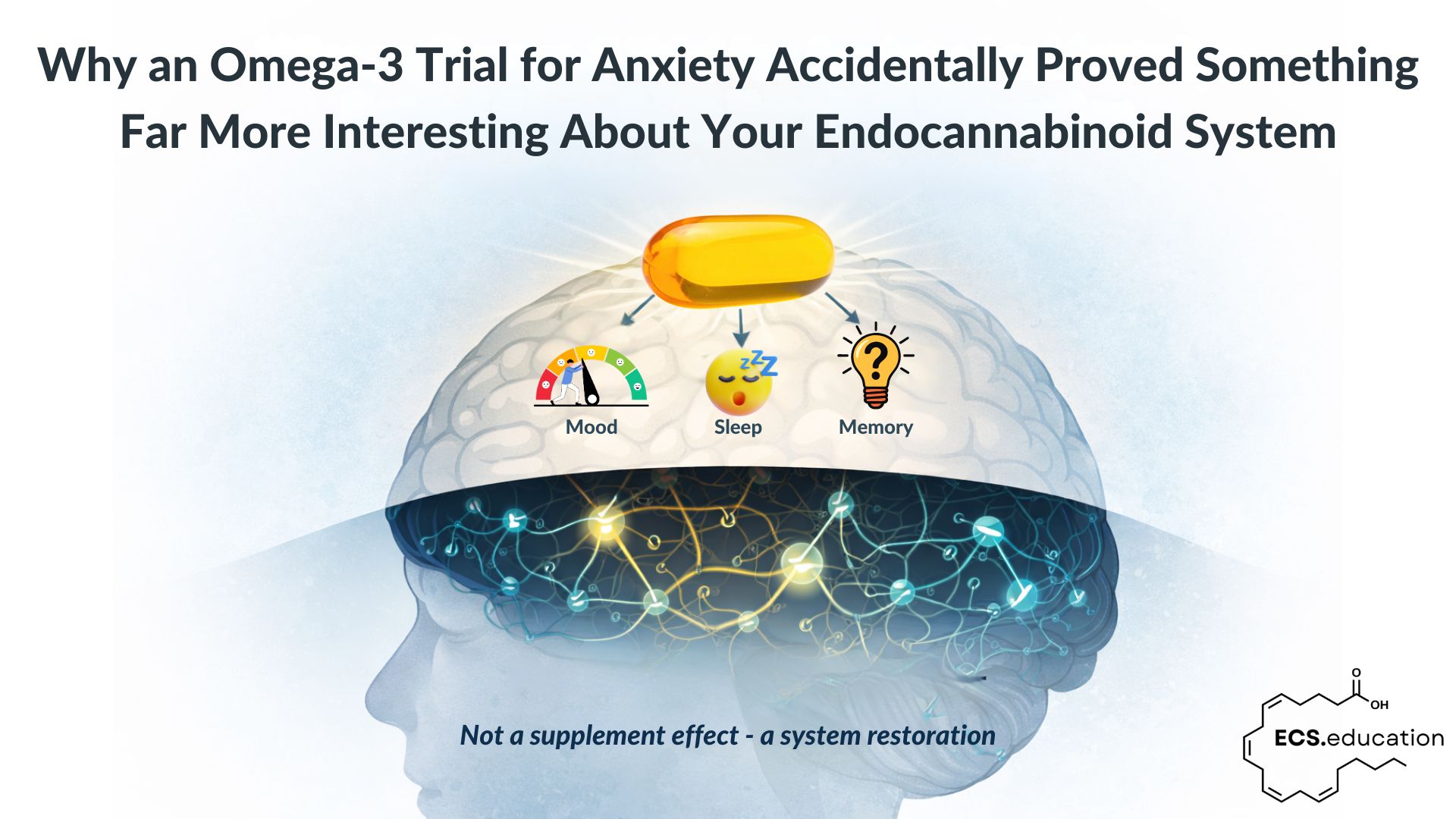
A new randomised, double-blind, placebo-controlled trial published in the Journal of Affective Disorders set out to test whether omega-3 supplementation improves stress, anxiety, depression, sleep quality, and memory in people with severe psychological distress (Azhar et al., 2025). The trial was conducted on a Saudi population, was reasonably well-designed, and produced striking…
Tag: medical education
Critical analysis
Read more
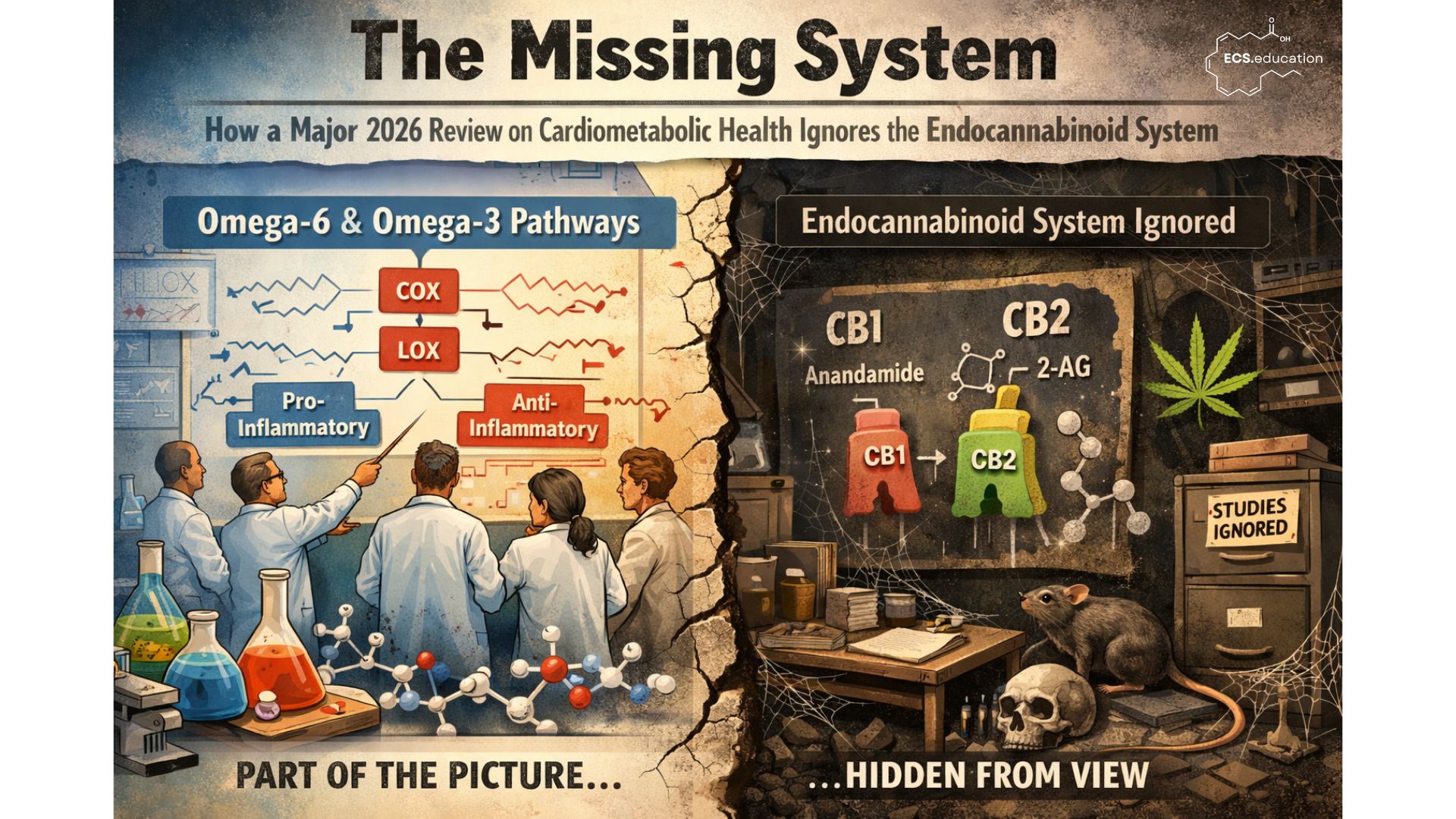
The Missing System: How a Major 2026 Review on Cardiometabolic Health Ignores the Endocannabinoid System
Last August, I wrote about a troubling pattern in inflammation research: brilliant scientists studying arachidonic acid metabolism while remaining “blissfully unaware that half the arachidonic acid story exists in a parallel research universe.” I documented how eicosanoid researchers and endocannabinoid scientists study the same substrate, same concentration ranges, same tissues—yet publish in…
Endocannabinoid System (ECS)

Read more
The New US Dietary Guidelines: Eat to Support Your ECS
This article explains how the endocannabinoid system is shaped by diet, especially omega‑6 and omega‑3 fats. The 2025–2030 US Dietary Guidelines process is quietly doing something profound. On the surface, it might look like another technical update about fat intake, unsaturated oils, and seafood recommendations. But underneath that familiar language sits…
Critical analysis

Read more
ECS and Exercise: The Invisible Architecture of Fitness
The body keeps secrets in its blood. On a Tuesday morning in late 2024, 491 men and women stepped onto treadmills and cycle ergometers across several research institutions. None of them knew they were about to reveal something profound about the mechanics of human fitness. They simply pushed themselves toward…
Endocannabinoid System (ECS)

Read more
The Biochemical Plateau: Rethinking Linoleic Acid and Heart Health
The Linoleic Acid Paradox: Protection or Peril? For decades, linoleic acid has enjoyed a privileged place in nutritional policy. It is the cornerstone of “heart-healthy” messaging, the molecular mascot of seed oils, and the quiet passenger in countless processed foods. But beneath this reputation lies a paradox: the very molecule…
Announcements
Read more
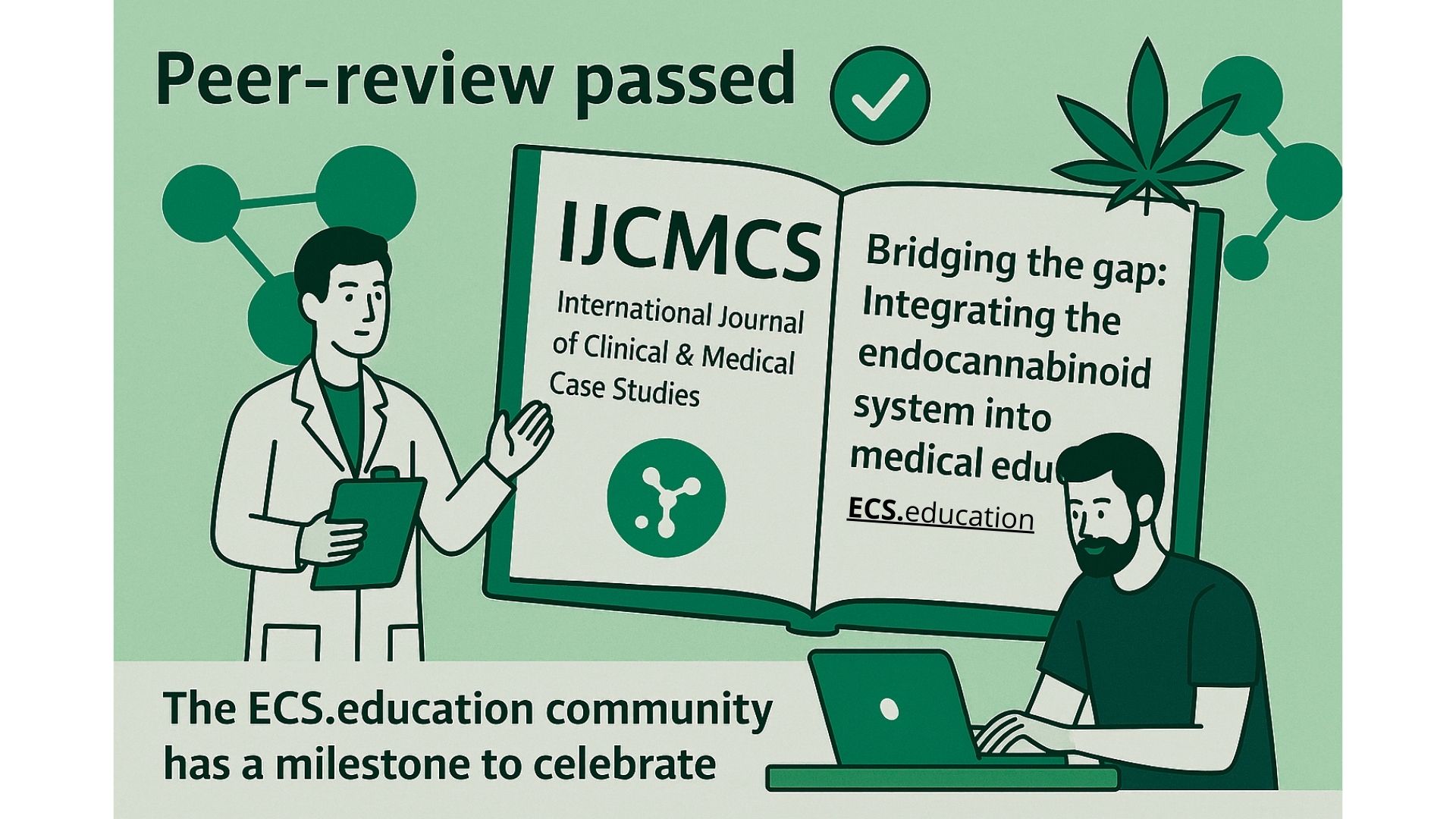
From Preprint to Peer Review: ECS.education Paper Accepted in IJCMCS
The ECS.education community has a milestone to celebrate: our manuscript, “Bridging the gap: Integrating the endocannabinoid system into medical education,” has passed independent, double‑blind peer review and is now published in the International Journal of Clinical & Medical Case Studies (IJCMCS). Built around three cornerstone ECS.education analyses, the paper consolidates…
Critical analysis
Read more
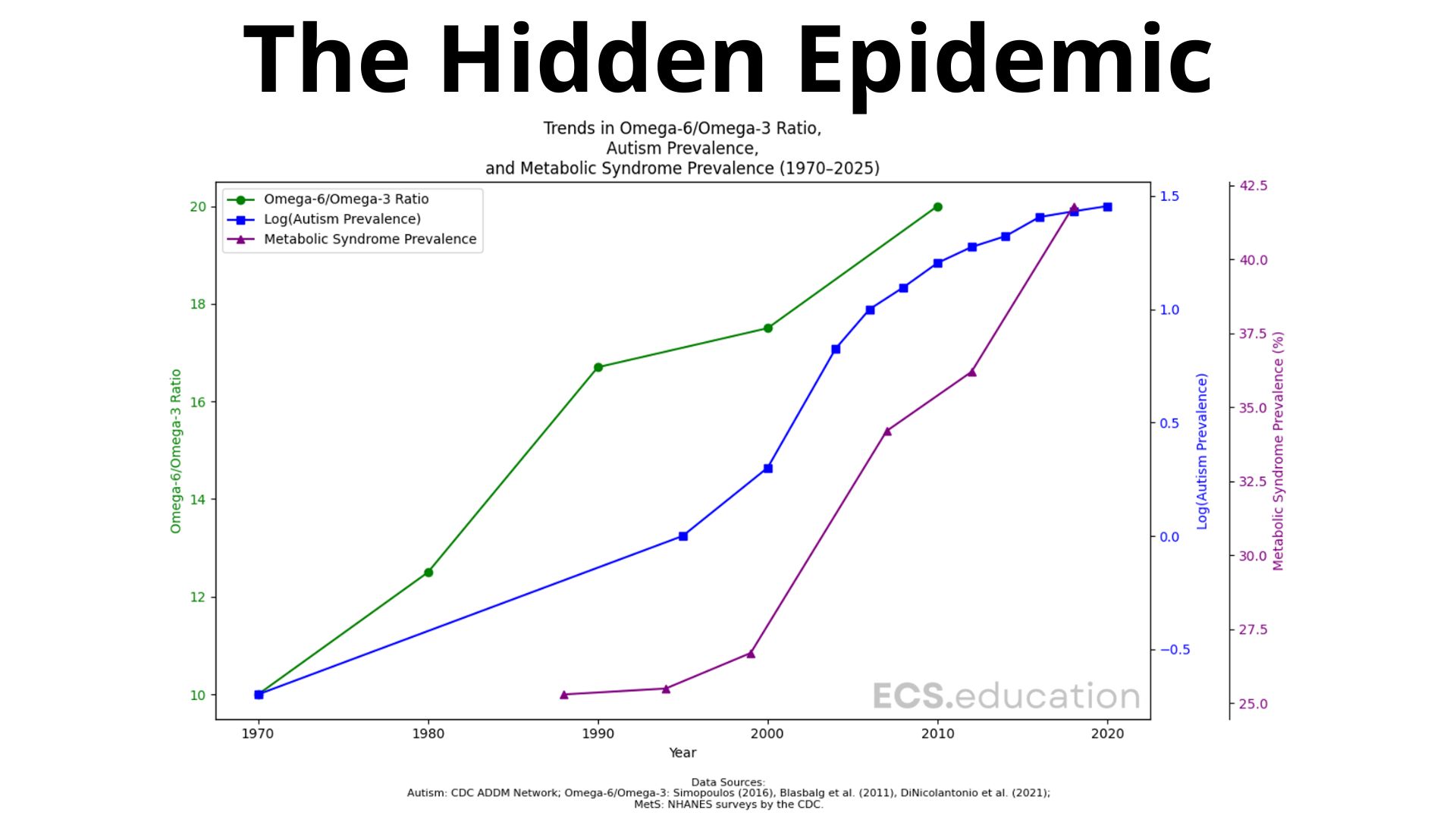
The Hidden Epidemic: ECS Dysfunction at the Crossroads of Autism and Obesity
Explore how modern diets rich in omega-6 fatty acids may disrupt the endocannabinoid system (ECS), linking autism spectrum disorder (ASD) and metabolic syndrome through shared mechanisms of inflammation, neurodevelopment, and metabolism.
The Missing Link in Medicine: How the Endocannabinoid System (ECS) could Revolutionize Healthcare
Why isn’t the endocannabinoid system (ECS) taught in medical schools? This ancient system regulates hunger, pain, metabolism, and immunity—and it’s under attack from processed foods and outdated education. Learn how omega-6 fats disrupt the ECS, drive chronic disease, and what we can do to fix healthcare. Share this video to…
Educational video
Read more
Understanding Medical Cannabis and the ECS
The endocannabinoid system (ECS) is one of the most important physiological systems in our body, regulating processes like mood, sleep, and pain. Yet, many healthcare professionals know little about it. This disconnect becomes even more striking when paired with the high but till growing acceptance of medical cannabis as a…
Critical analysis
Read more
Beyond Omission: Integrating ECS into Medical Education – A Blueprint for Change
Executive Summary An analysis of the Physiological Society’s 2020 “Physiological Objectives for Medical Students” curriculum guide reveals a critical gap: the complete omission of the Endocannabinoid System (ECS). This official curriculum guidance document, which establishes core physiological knowledge for new doctors, overlooks a system fundamental to maintaining homeostasis across multiple…