
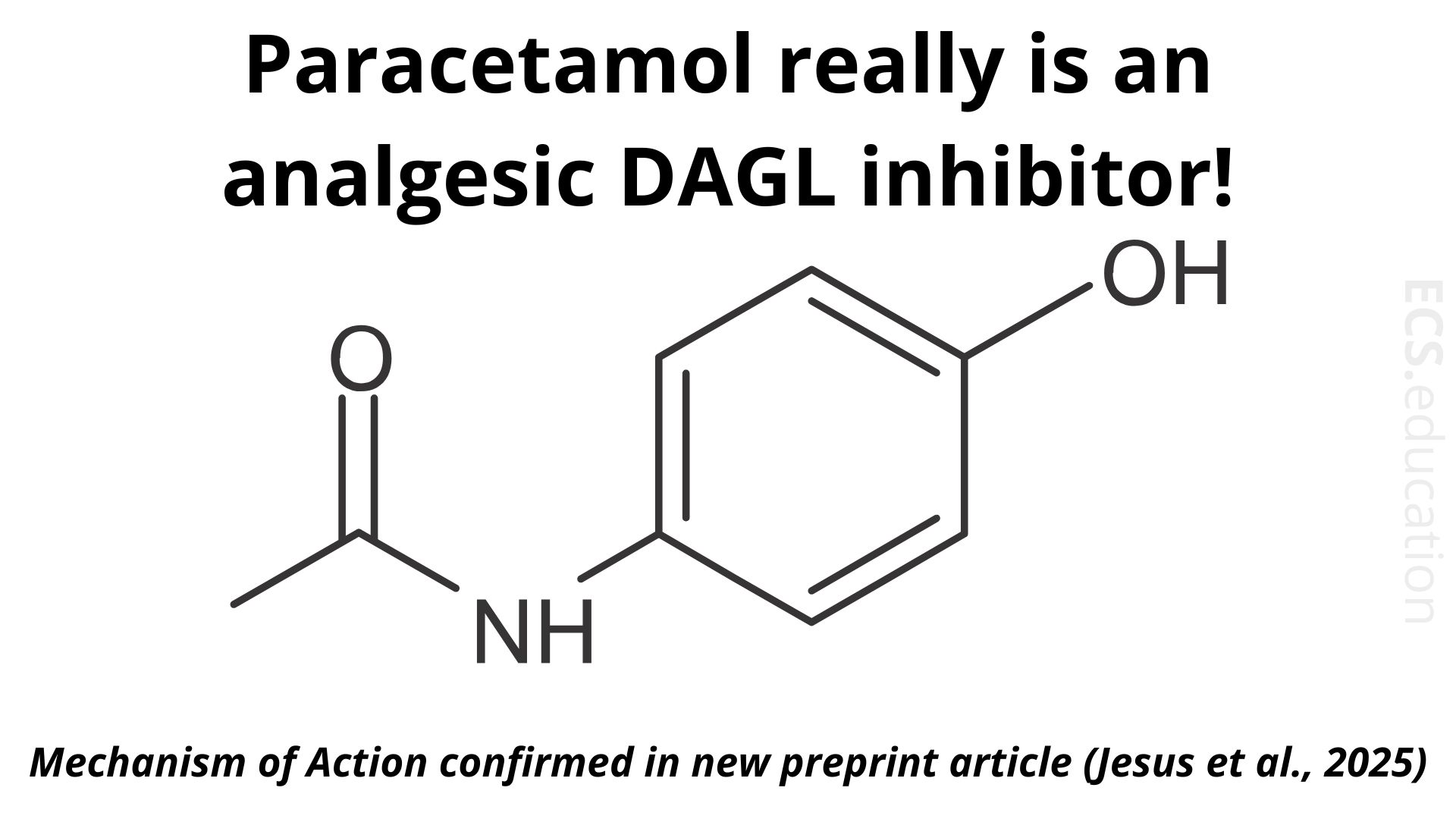
Important Note: This blog post discusses findings from a recent scientific preprint, meaning the research has not yet been formally peer-reviewed. Preprints allow for rapid dissemination of findings, but results should be interpreted cautiously until confirmed by peer-reviewed publication. Recently, we reported on a surprising new way that paracetamol (also known…
Category: Scientific Summary
Nutrition Science

Read more
The Adiposity Filter: How Maternal Body Fat Reshapes Milk PUFAs for Your Baby’s ECS
At ECS.education, we’ve previously delved into how maternal metabolism and milk composition program infant development, the profound impact of maternal diet on the endocannabinoidome and infant health, and the links between ECS dysfunction, conditions like autism, and metabolic syndrome. Today, we explore compelling new research that adds another crucial layer to this understanding:…
Endocannabinoid System (ECS)

Read more
The Agmatine-ECS-ASD Connection: New Hope for ASD by Boosting 2-AG and Calming the Brain
Explore groundbreaking research on agmatine’s connection to the endocannabinoid system (ECS) in Autism (ASD). Discover how it may boost 2-AG, calm brain inflammation, and offer new hope for understanding and potentially supporting ASD.
Pharmacology

Read more
Acetaminophen (APAP) & the ECS: A Surprising New Twist in How Tylenol Really Works
New research upends our understanding of how acetaminophen (paracetamol) provides pain relief via the endocannabinoid system. Discover how it directly inhibits DAGLα, reducing 2-AG levels – a surprising twist on conventional ECS wisdom. Explore the implications for future drug development.
Commentary
Read more
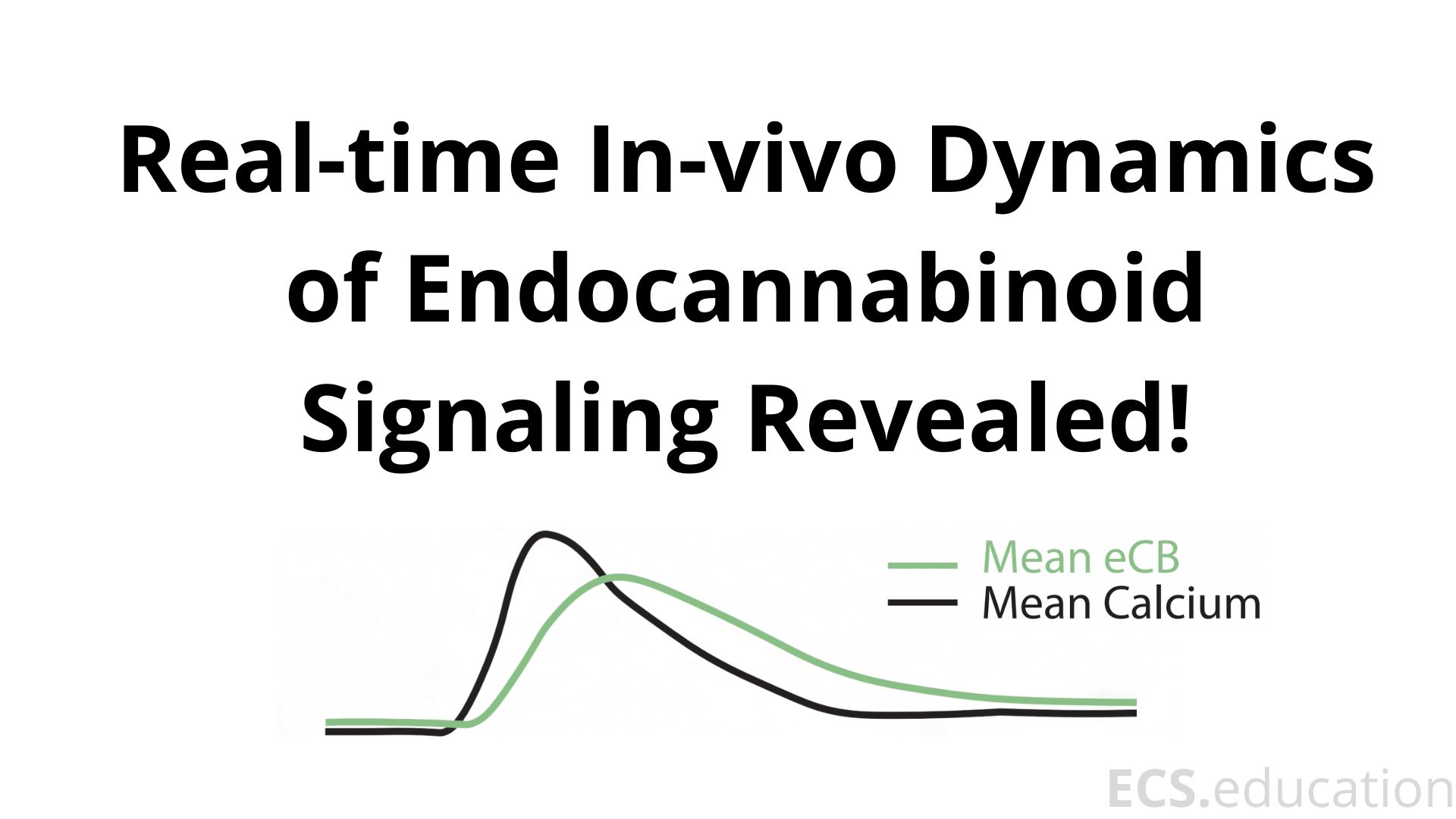
Seeing is Believing: New Tech Reveals How The Endocannabinoid System Works in Real-Time
A paradigm-shifting review in Neuron (Malhotra et al., 2025) highlights how new technologies allow scientists to visualize endocannabinoid (ECS) dynamics in real-time in behaving animals. This post breaks down the key breakthroughs, including the central role of 2-AG in rapid signaling, its precision, its function in memory and seizures, and the implications for healthcare professionals and medical cannabis.
Nutrition Science

Read more
Too Much Omega-6? New Link Shows Linoleic Acid Directly Flips a Master Metabolic Switch
Discover how dietary linoleic acid (LA), a major omega-6 fat, directly activates the master metabolic switch mTORC1 through a newly found pathway involving FABP5. Explore the implications for Metabolic Syndrome, potential interactions with the endocannabinoid system (ECS), and what this means for understanding modern diets.
Nutrition Science

Read more
Maternal Obesity Reshapes Breast Milk’s Endocannabinoid Landscape – A Missing Link in Metabolic Inheritance
Discover how maternal obesity and GDM reshape breast milk’s endocannabinoid profile, linking mother’s metabolic health to infant development via the ECS. Explore the crucial role of omega-6/3 balance, recent human evidence on growth impacts, complexities from animal models, and the urgent case for prioritizing maternal omega-3 intake.
Scientific Summary
Read more
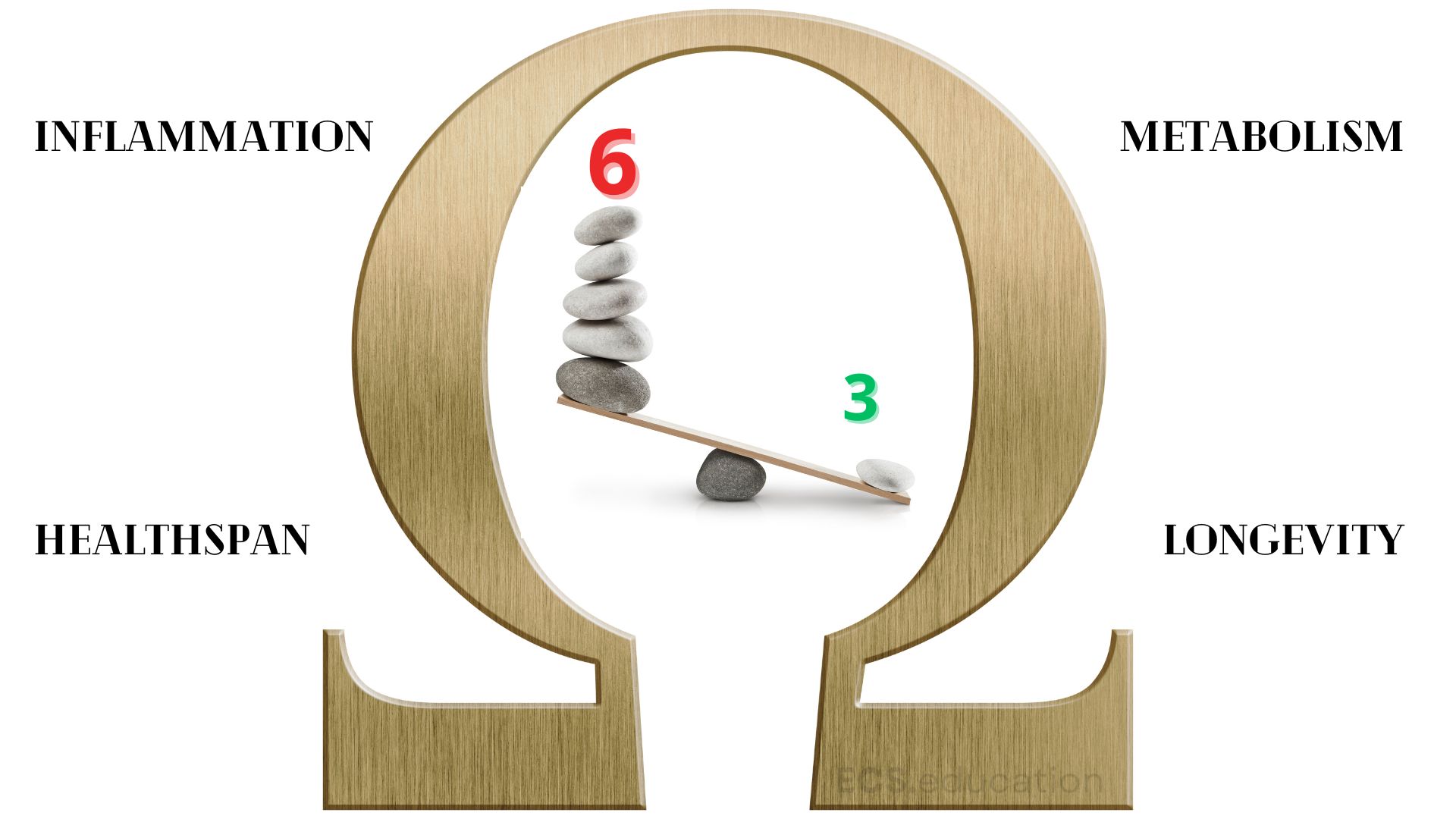
Dietary Omega-3/6 Balance: New Research Links Fatty Acid Ratios to Chronic Disease and Longevity
New research reveals countries with high omega-3 consumption enjoy 2.63 extra years of healthy life expectancy compared to nations with typical Western diets. Groundbreaking clinical evidence shows omega-6 fatty acids increase inflammatory markers while omega-3s counteract these effects. Your starting omega-3/6 baseline significantly impacts how your body responds to dietary interventions, offering new insights for personalized nutrition approaches.
Critical analysis
Read more
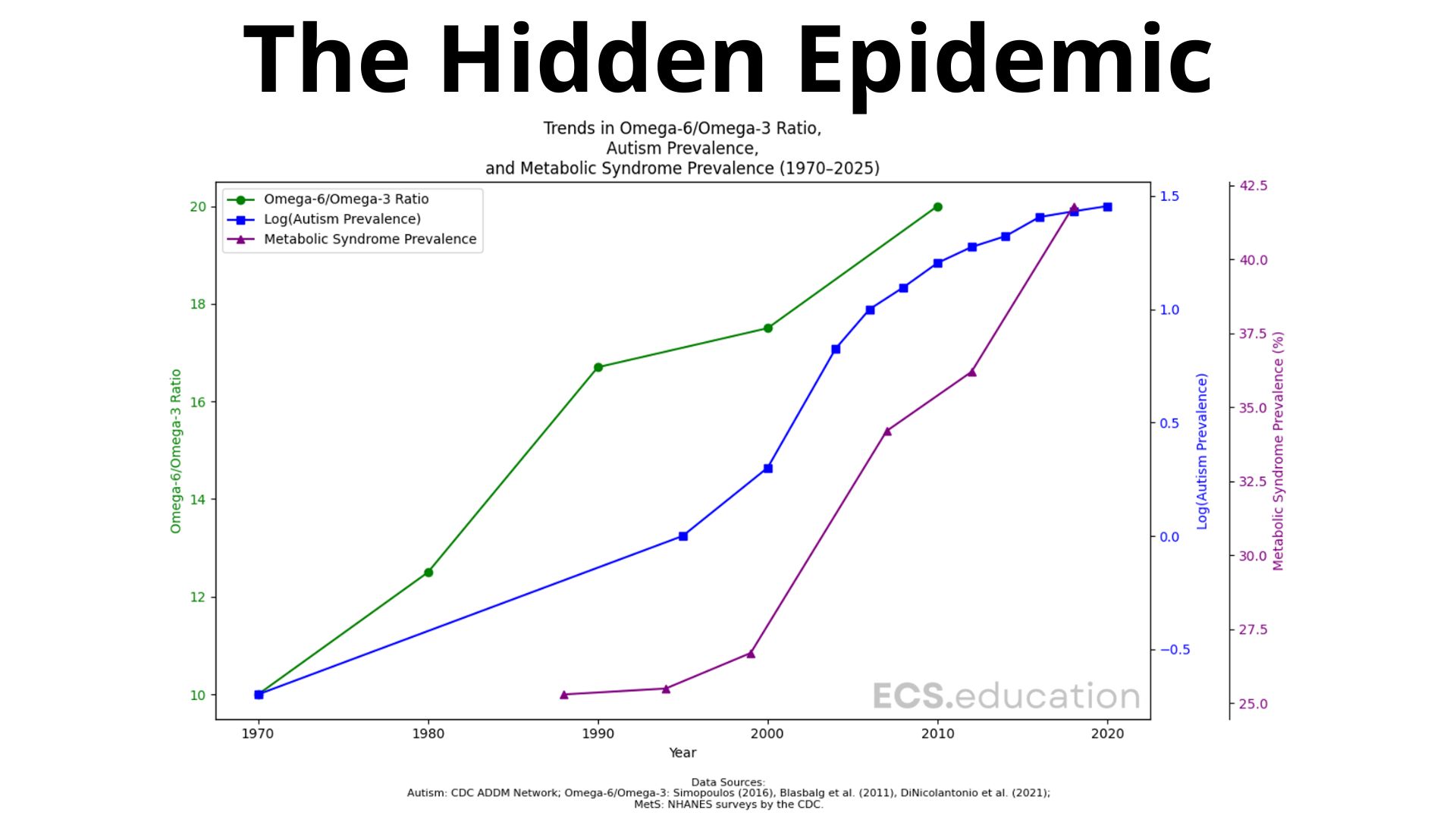
The Hidden Epidemic: ECS Dysfunction at the Crossroads of Autism and Obesity
Explore how modern diets rich in omega-6 fatty acids may disrupt the endocannabinoid system (ECS), linking autism spectrum disorder (ASD) and metabolic syndrome through shared mechanisms of inflammation, neurodevelopment, and metabolism.
Scientific Summary
Read more
A Paradigm-Shift in Endocannabinoidome Pharmacology – Adenylyl Cyclases as Lipid-Sensing Receptors
Introduction: A New Role for Dietary Fats For decades, fats have been categorized as either “good” or “bad,” depending on their effects on cholesterol or calorie counts. However, groundbreaking research by Landau etal. (2024) reveals that fats are far more than energy sources—they act as cellular signalsthat directly influence how our cells function. The study shows that adenylyl cyclases (ACs)—enzymes traditionally…