
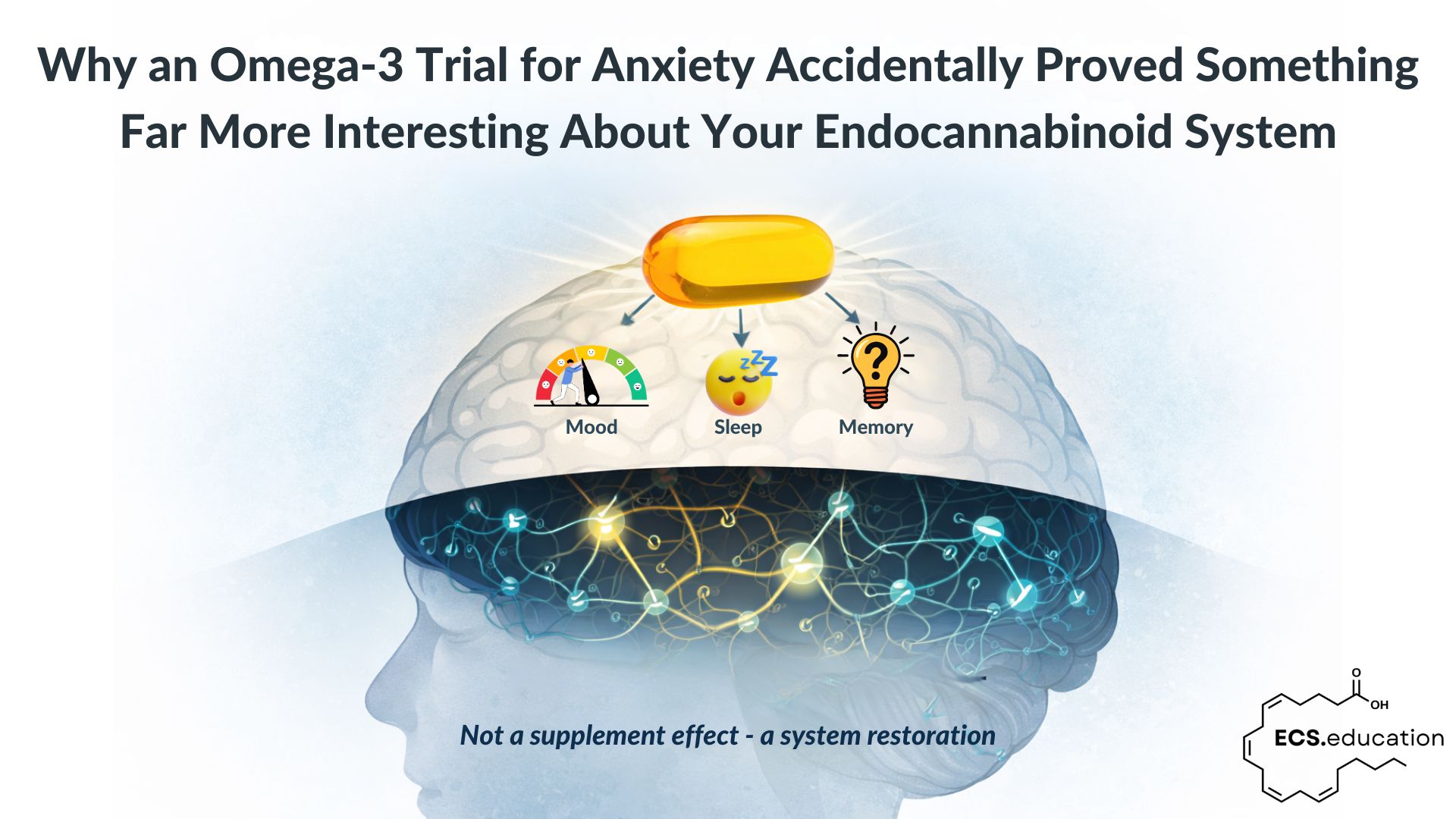
A new randomised, double-blind, placebo-controlled trial published in the Journal of Affective Disorders set out to test whether omega-3 supplementation improves stress, anxiety, depression, sleep quality, and memory in people with severe psychological distress (Azhar et al., 2025). The trial was conducted on a Saudi population, was reasonably well-designed, and produced striking…
Category: Scientific Summary
Endocannabinoid System (ECS)
Read more
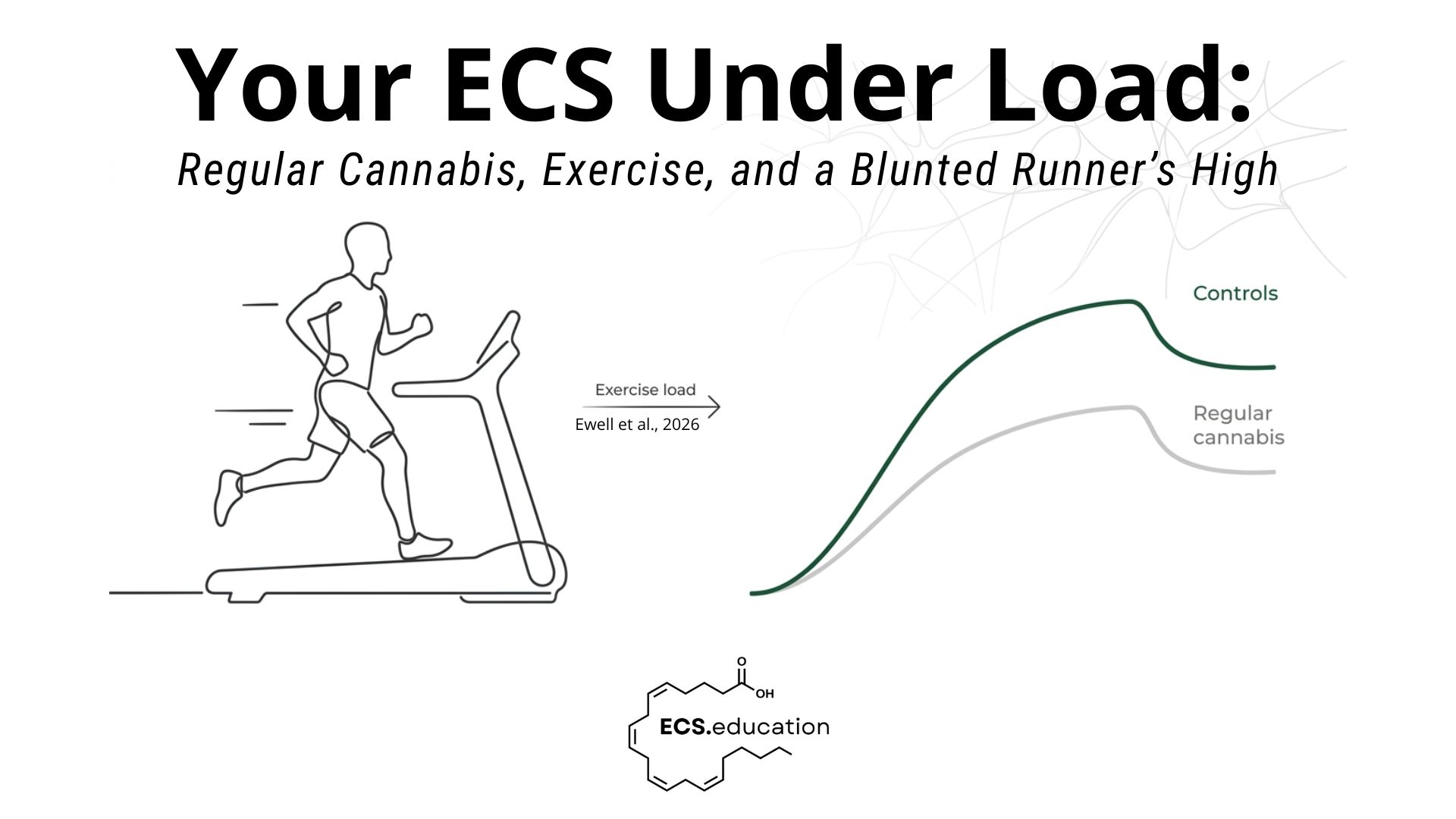
Your ECS Under Load: Regular Cannabis, Exercise, and a Blunted Runner’s High
Your ECS under load, not at rest Most cannabis conversations live in the acute space: “How does it feel when I’m high?” or in vague long‑term boxes like “motivation” or “psychosis risk.” Almost nobody asks the more mechanistic question that actually matters for resilience: What does your endocannabinoid system do…
Endocannabinoid System (ECS)
Read more
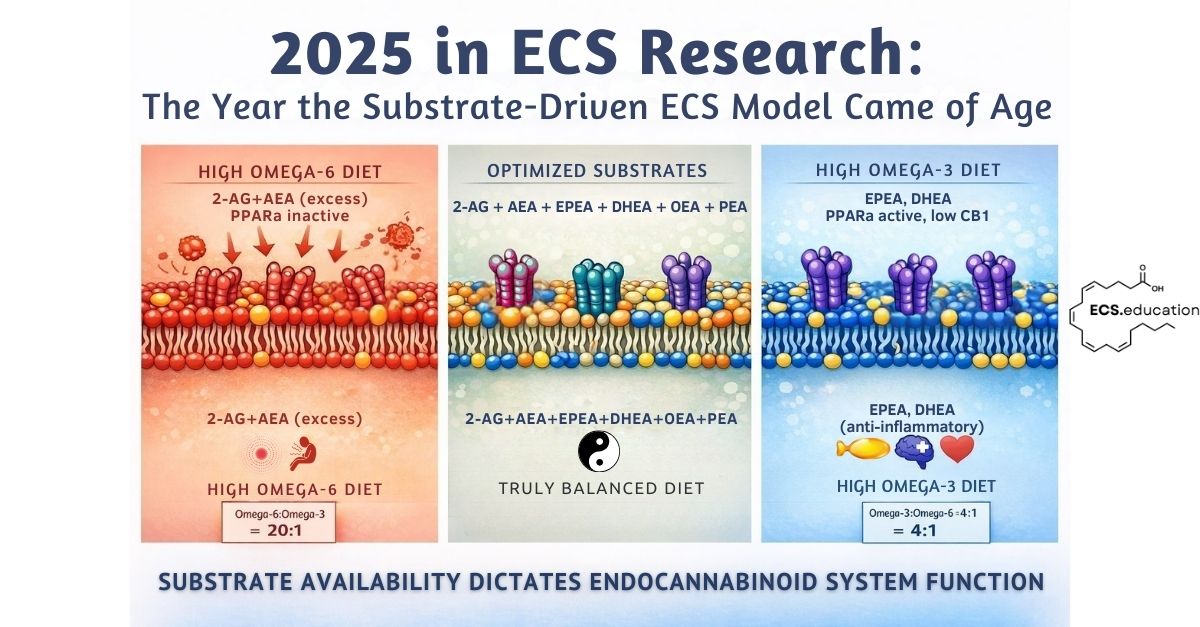
2025 in ECS Research: The Year the Substrate-Driven ECS Model Came of Age
Endocannabinoid system substrate—specifically membrane fatty acid composition—is the primary determinant of CB1 receptor function, not genetics or receptor density. For years, I’ve been making the case that endocannabinoid system function is not primarily about receptor density or genetic variants, it’s about substrate availability. The composition of fatty acids in cell…
Commentary
Read more
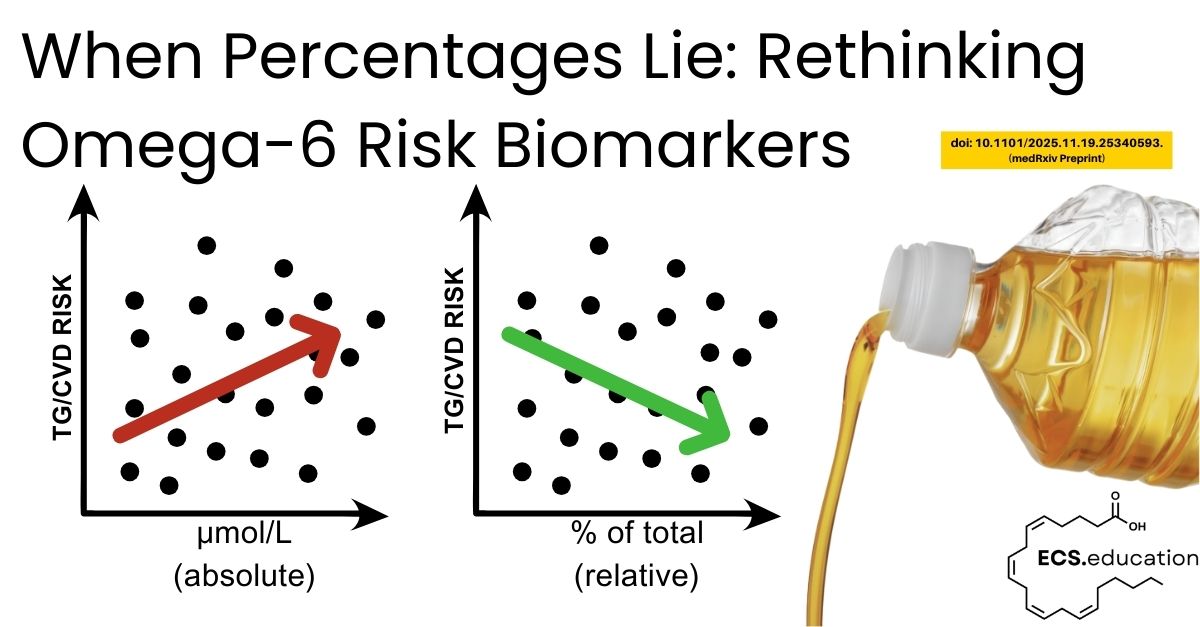
When Percentages Lie: Rethinking Omega‑6 (LA & AA) Risk Biomarkers and Endocannabinoid Substrates
The blind spot in fatty acid epidemiology Since the 1960s, most circulating fatty acid data have been reported as “percent of total” rather than as absolute concentrations, because gas chromatography methods naturally produce compositional peak areas that are easy to turn into percentages (Sergeant et al., 2016; Lagerstedt et al.,…
Endocannabinoid System (ECS)
Read more
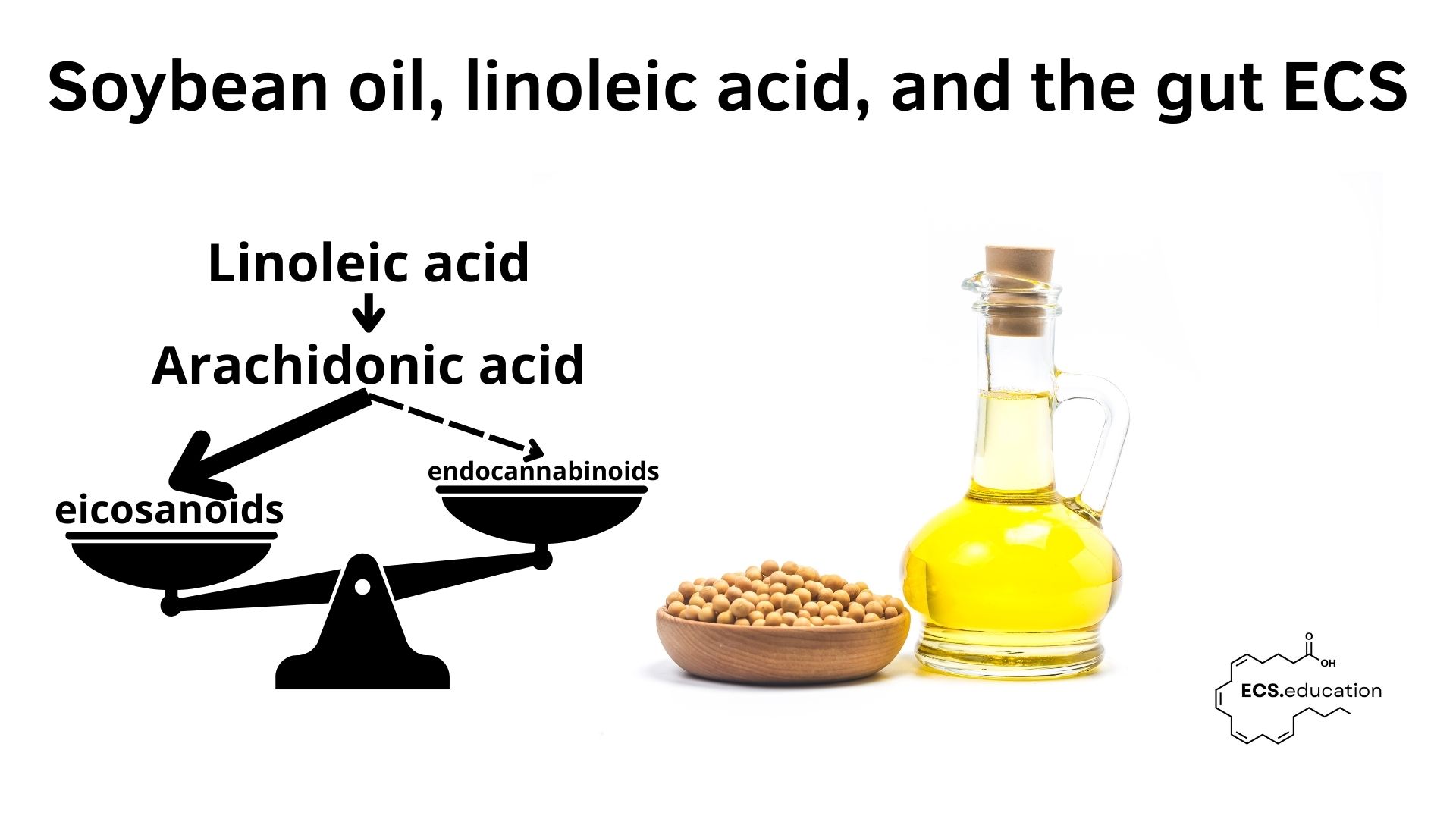
Soybean oil, linoleic acid, and the gut ECS
A recent study titled ‘Diet high in linoleic acid dysregulates the intestinal endocannabinoid system and increases susceptibility to colitis in Mice‘ shows that eating a lot of linoleic acid from soybean oil changes lipid chemistry in the gut in a way that weakens the protective endocannabinoid system and strengthens inflammatory…
Endocannabinoid System (ECS)
Read more
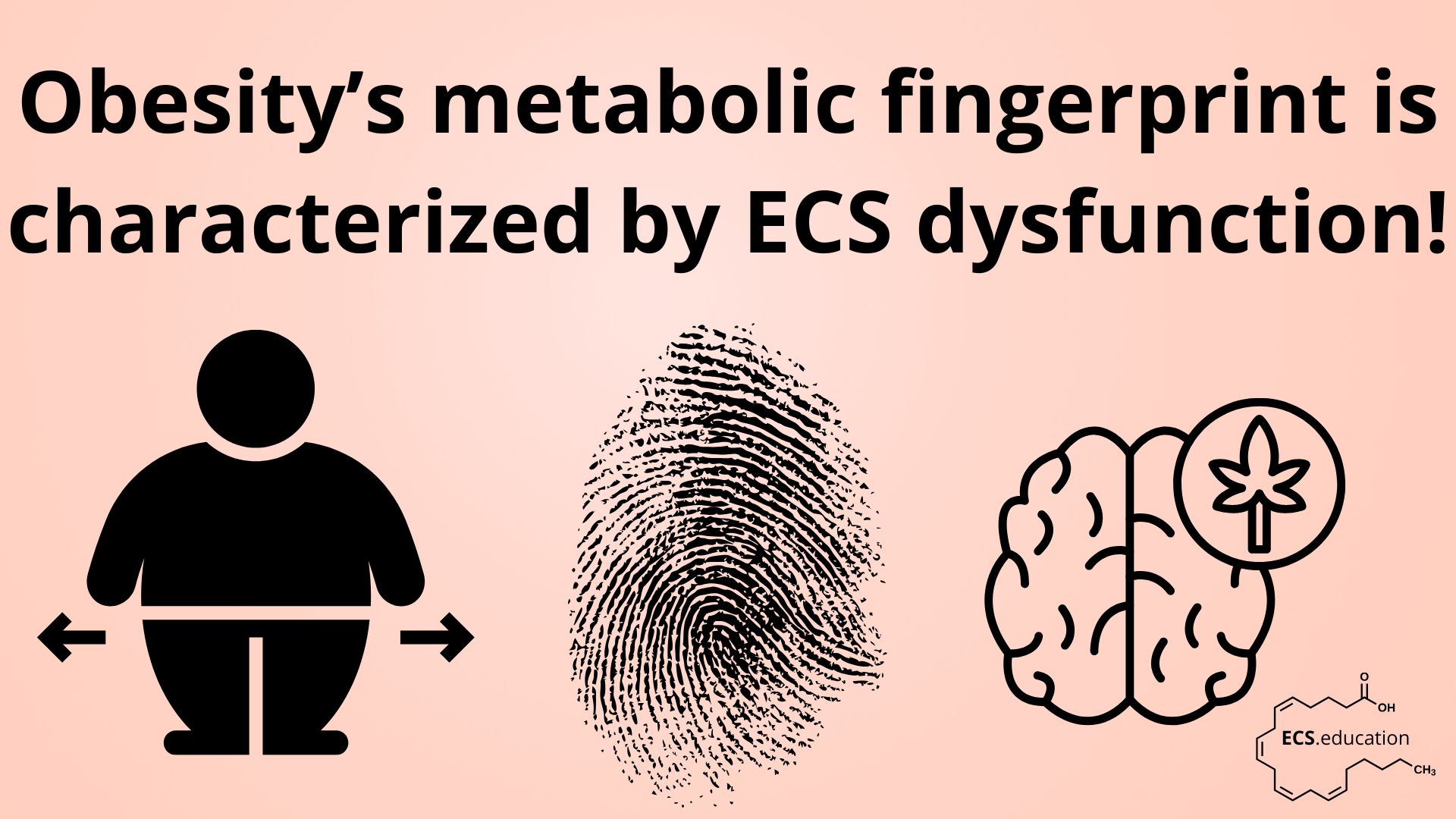
Obesity’s metabolic fingerprint is characterised by ECS Dysfunction!
Obesity isn’t just about extra weight—it imprints a unique metabolic fingerprint deep within your body. New research reveals that this signature is marked by endocannabinoid system (ECS) dysfunction, driven by dietary fat balance and energy surplus. Learn how what you eat tunes your ECS, shapes your health risks, and why fixing the “input side” of nutrition could help fade the metabolic fingerprint of obesity.
Endocannabinoid System (ECS)

Read more
Obesity Rewires Your Endocannabinoid System (ECS): How Fat, Liver, Heart & Brain Are Transformed
Obesity is more than excess fat—it’s a disorder of endocannabinoid system (ECS) dysfunction. Explore how obesity rewires CB1 signaling in fat, liver, heart, and brain, driving chronic disease.
Endocannabinoid System (ECS)
Read more
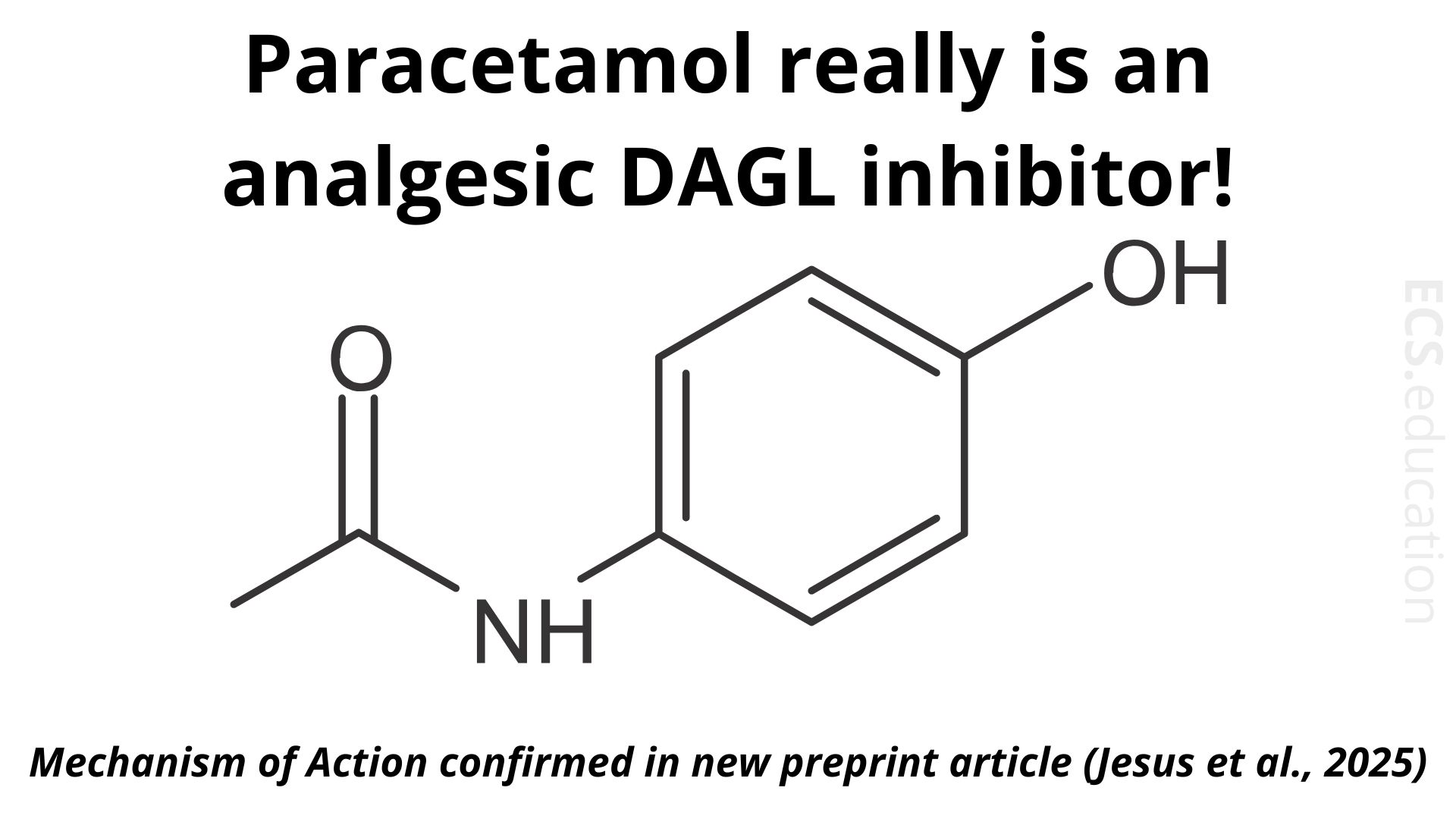
Paracetamol Confirmed as a Direct Analgesic DAGL Inhibitor: New Preprint Evidence
Important Note: This blog post discusses findings from a recent scientific preprint, meaning the research has not yet been formally peer-reviewed. Preprints allow for rapid dissemination of findings, but results should be interpreted cautiously until confirmed by peer-reviewed publication. Recently, we reported on a surprising new way that paracetamol (also known…
Nutrition Science

Read more
The Adiposity Filter: How Maternal Body Fat Reshapes Milk PUFAs for Your Baby’s ECS
At ECS.education, we’ve previously delved into how maternal metabolism and milk composition program infant development, the profound impact of maternal diet on the endocannabinoidome and infant health, and the links between ECS dysfunction, conditions like autism, and metabolic syndrome. Today, we explore compelling new research that adds another crucial layer to this understanding:…
Endocannabinoid System (ECS)

Read more
The Agmatine-ECS-ASD Connection: New Hope for ASD by Boosting 2-AG and Calming the Brain
Explore groundbreaking research on agmatine’s connection to the endocannabinoid system (ECS) in Autism (ASD). Discover how it may boost 2-AG, calm brain inflammation, and offer new hope for understanding and potentially supporting ASD.