
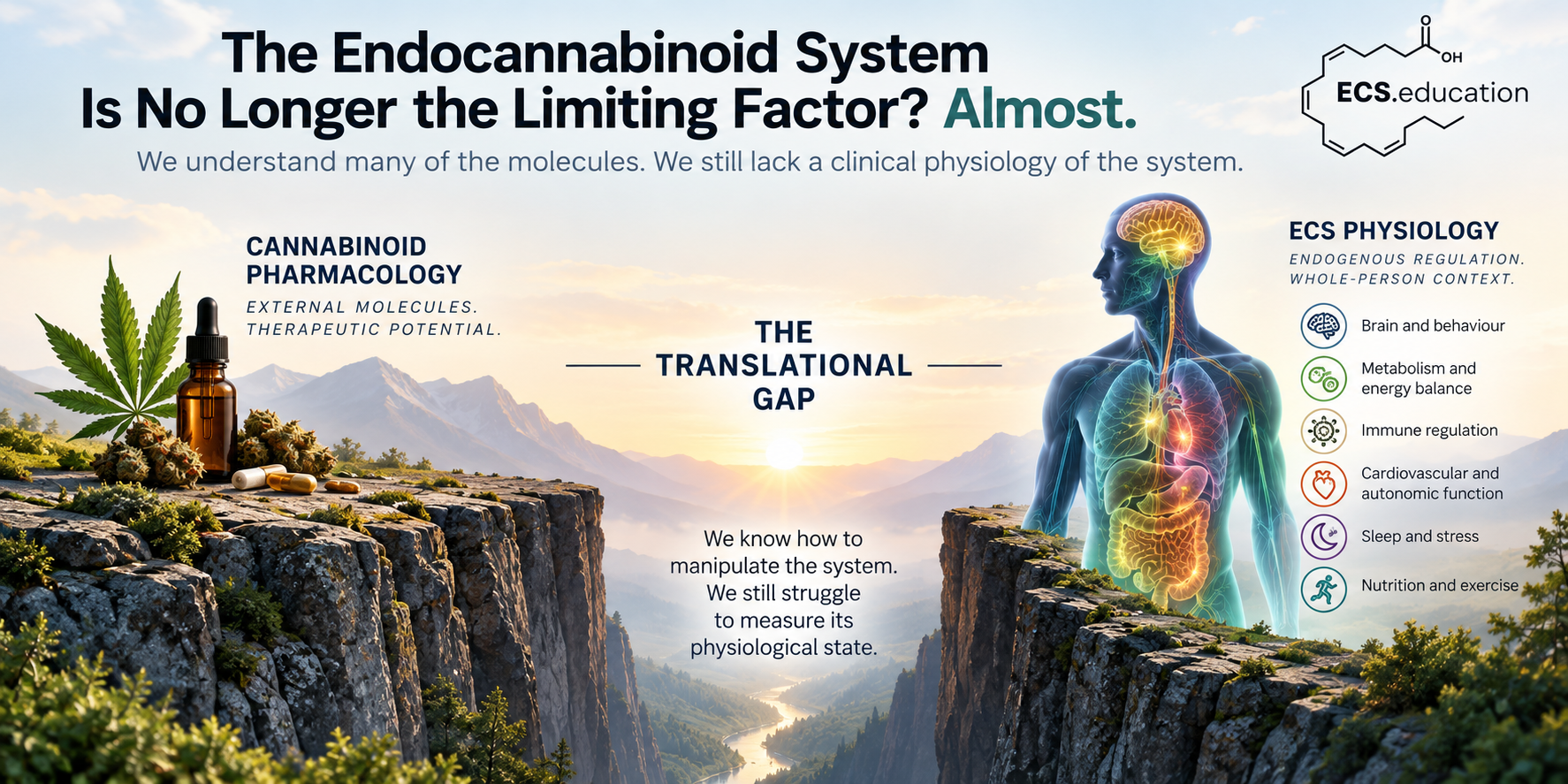
A new review argues that policy and stigma, rather than lack of ECS science, are now the main barriers to cannabinoid medicine. I agree, but an important gap remains: medicine still lacks a practical clinical physiology of the endocannabinoid system.
Category: Commentary
Commentary
Read more
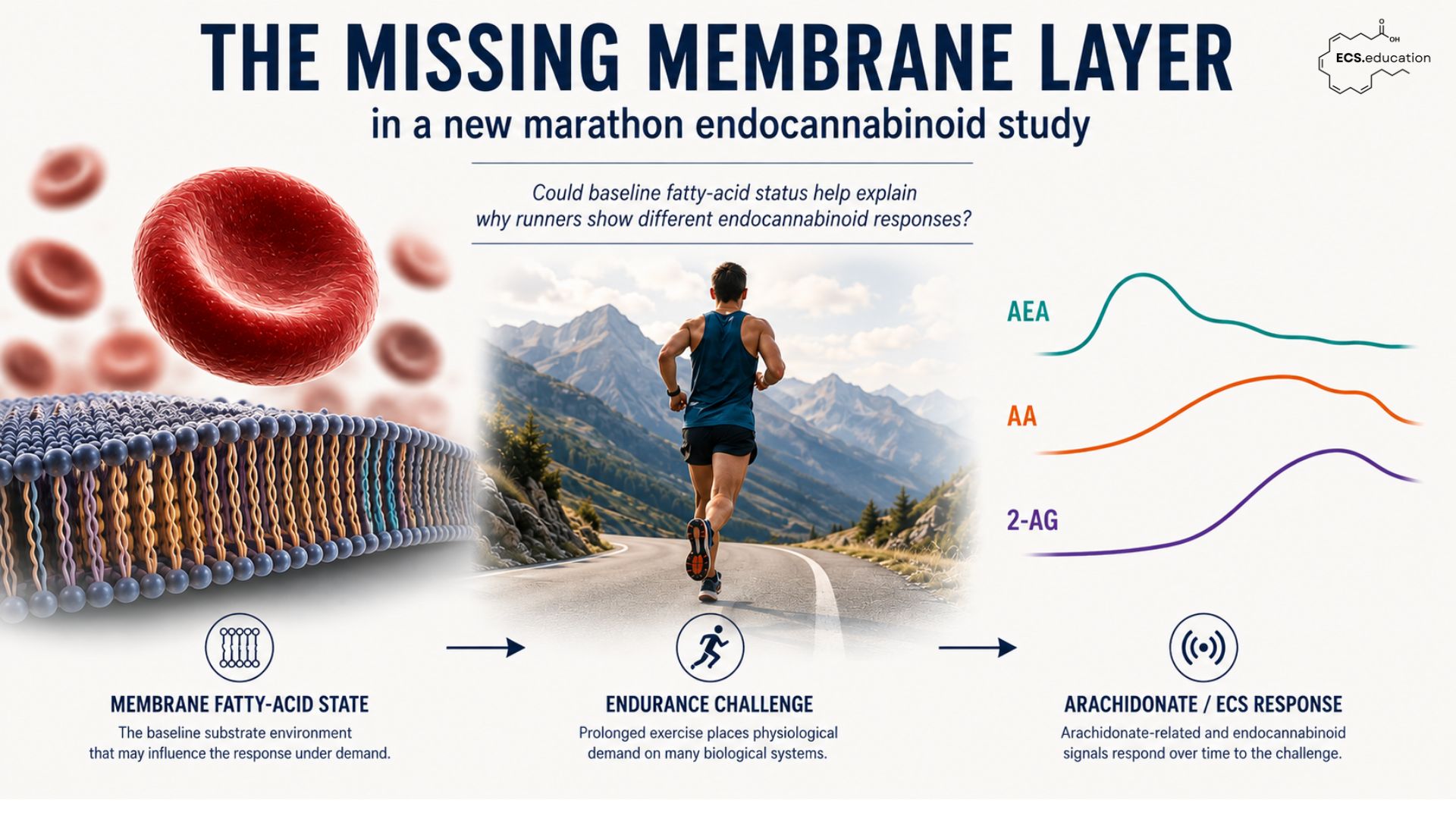
The missing membrane layer in a new marathon endocannabinoid study
A new BMC Medicine study shows that marathon running triggers distinct temporal changes in anandamide, 2-AG and arachidonic acid. The missing piece may be the runners’ membrane fatty-acid state before exercise.
Commentary
Read more
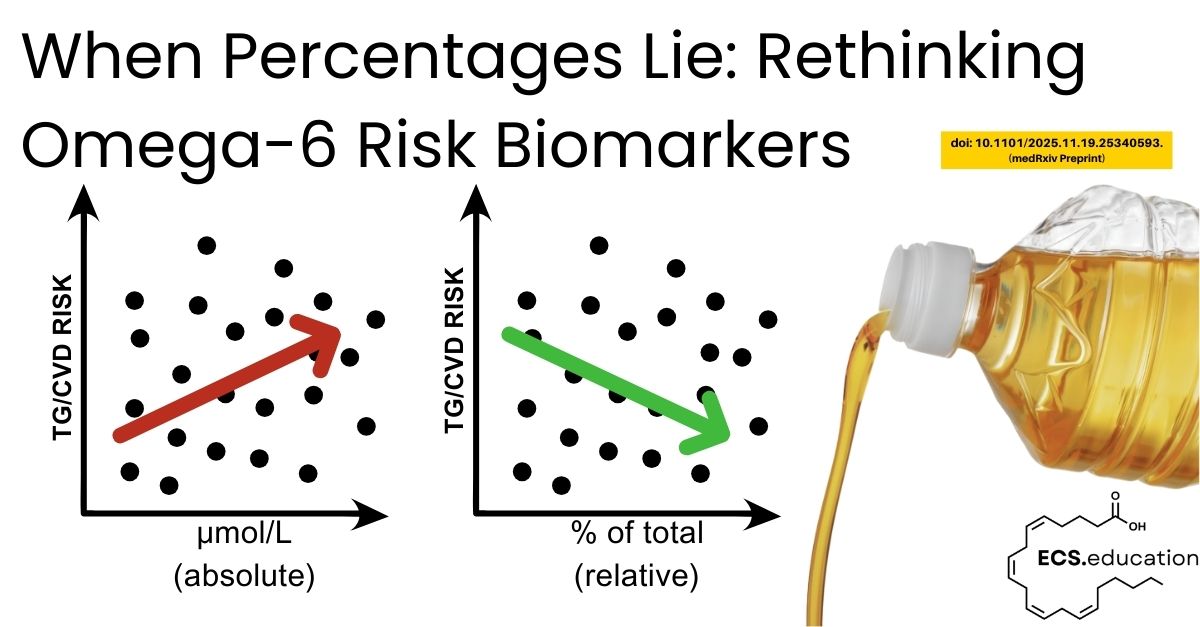
When Percentages Lie: Rethinking Omega‑6 (LA & AA) Risk Biomarkers and Endocannabinoid Substrates
The blind spot in fatty acid epidemiology Since the 1960s, most circulating fatty acid data have been reported as “percent of total” rather than as absolute concentrations, because gas chromatography methods naturally produce compositional peak areas that are easy to turn into percentages (Sergeant et al., 2016; Lagerstedt et al.,…
Commentary

Read more
The Enzyme Inhibitor Paradox: Why Anti-Obesity Drugs Keep Failing
A new study just proved something remarkable: researchers found a way to slash insulin levels by 53% in just two hours. Food intake dropped 23%. Body weight fell within 24 hours. The pharmaceutical industry should be celebrating. Except there’s a problem. By day seven, it stopped working. Completely. The mice…
Commentary
Read more
Let’s Start Asking the Uncomfortable Questions about the ECS
A half-century of medical curricula has overlooked one of human physiology’s master regulators—the endocannabinoid system (ECS). But the conversation is shifting. In faculty rooms across the world, one question is changing the temperature: “Shouldn’t we teach the ECS?” Educational omissions translate directly into gaps in patient care. Closing both is imperative. Every revolution…
Commentary
Read more
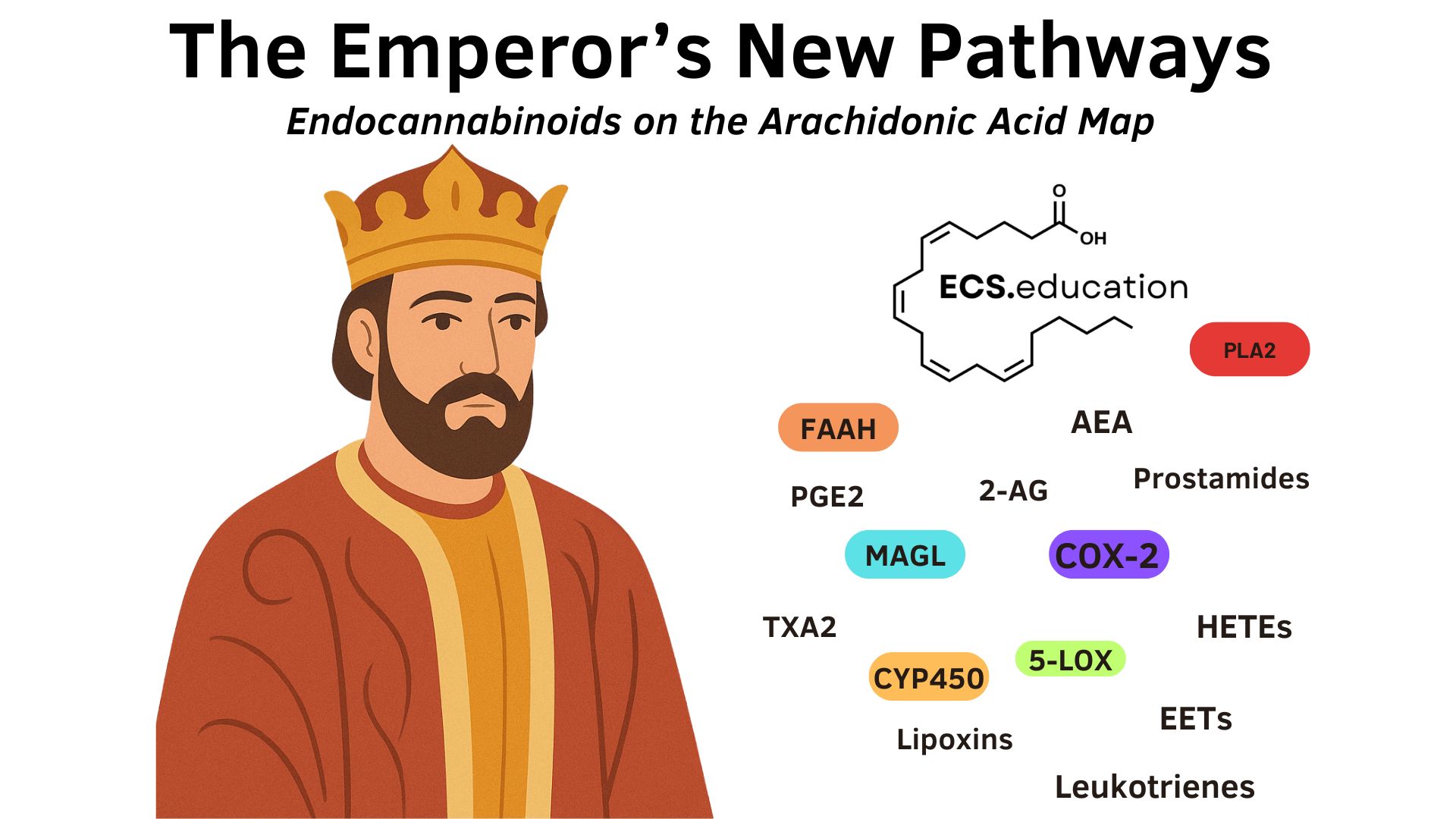
The Emperor’s New Pathways: Endocannabinoids on the Arachidonic Acid Map
Most NAFLD/MASLD reviews draw a neat AA trident—COX, LOX, CYP—while omitting the endocannabinoid system, even though AEA and 2‑AG are made on demand by NAPE‑PLD and DAGLα/β and rapidly hydrolyzed by FAAH and MAGL back to AA, continuously shuttling substrate between eCBs and eicosanoids in inflamed liver. A new 2025…
Commentary
Read more
How Scientific Tunnel Vision in Inflammation Research Ignores the Endocannabinoid System (ECS)
When scientific tunnel vision becomes institutional blindness Lessons from history’s scientific blind spots Science has a troubling habit of missing the forest for the trees. For decades, gastroenterologists dismissed the idea that bacteria could cause stomach ulcers—until Barry Marshall proved Helicobacter pylori was the culprit by infecting himself. Geologists ridiculed…
Commentary

Read more
Beyond the Buzz: Cannabis Heart Risks vs. Diet-Driven ECS Overload
Introduction: Beyond the Buzz – A Flawed Focus on Cannabis Recent headlines have lit up with warnings about cannabis and heart health, fueled by a systematic review showing links to increased risks of strokes, heart attacks, and cardiovascular death. It’s easy to get caught up in the alarm. After all, who doesn’t want to protect their ticker? But here’s where our reasoning goes off track:…
Commentary
Read more
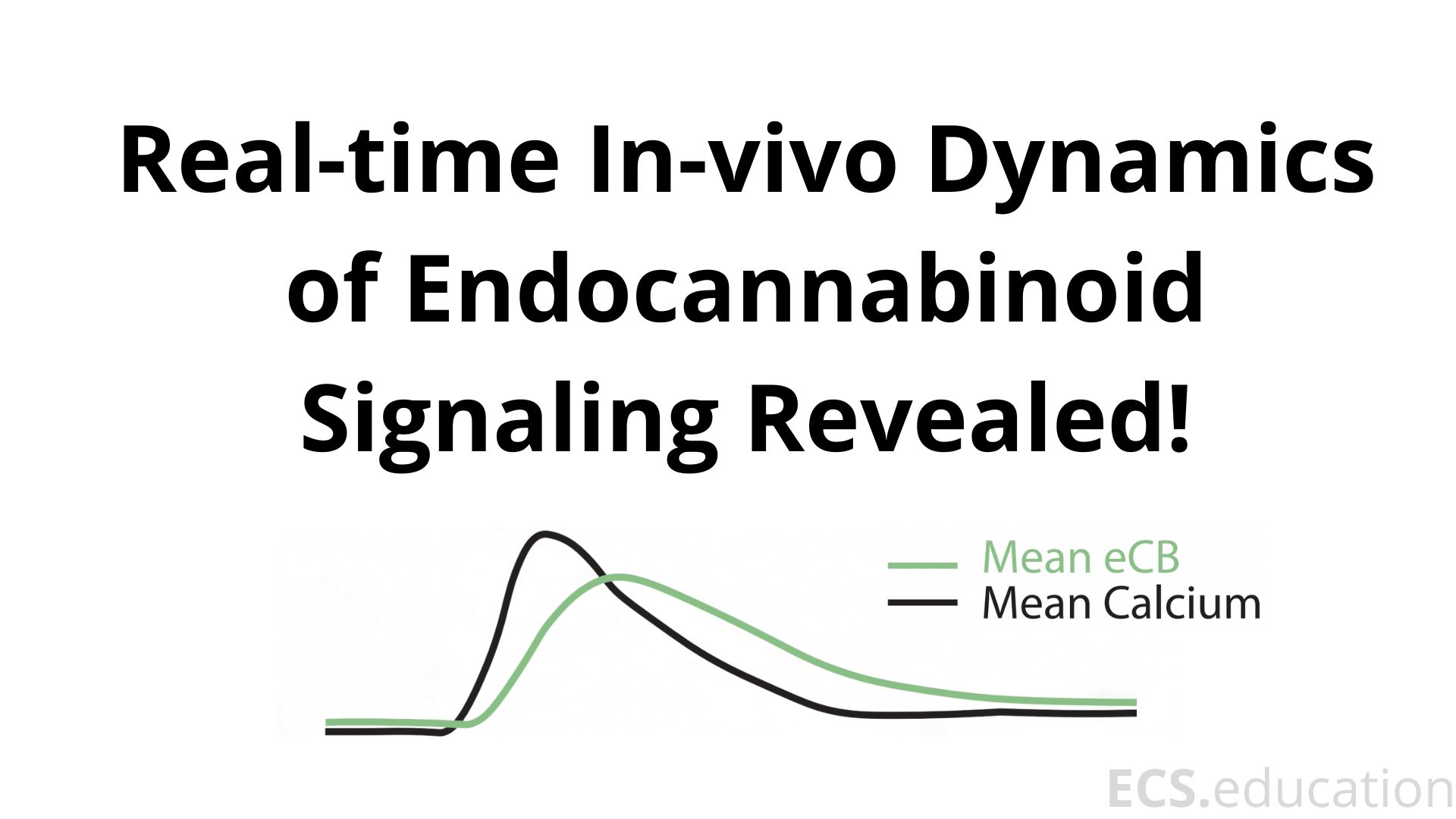
Seeing is Believing: New Tech Reveals How The Endocannabinoid System Works in Real-Time
A paradigm-shifting review in Neuron (Malhotra et al., 2025) highlights how new technologies allow scientists to visualize endocannabinoid (ECS) dynamics in real-time in behaving animals. This post breaks down the key breakthroughs, including the central role of 2-AG in rapid signaling, its precision, its function in memory and seizures, and the implications for healthcare professionals and medical cannabis.
Commentary

Read more
Challenging the Daily Mail: The Science Behind Medical Cannabis for ADHD and Menopause
Professor Sir Robin Murray’s claim that ‘cannabis has the same effect as drinking a pint’ for psychological conditions, published in the Daily Mail, oversimplifies the science behind medical cannabis. This commentary explores the evidence supporting cannabis as a therapeutic option for ADHD and menopause while addressing misconceptions about its efficacy and safety.