

Professor Sir Robin Murray’s claim that ‘cannabis has the same effect as drinking a pint’ for psychological conditions, published in the Daily Mail, oversimplifies the science behind medical cannabis. This commentary explores the evidence supporting cannabis as a therapeutic option for ADHD and menopause while addressing misconceptions about its efficacy and safety.
Tag: physiology
Educational video
Read more
Understanding Medical Cannabis and the ECS
The endocannabinoid system (ECS) is one of the most important physiological systems in our body, regulating processes like mood, sleep, and pain. Yet, many healthcare professionals know little about it. This disconnect becomes even more striking when paired with the high but till growing acceptance of medical cannabis as a…
Critical analysis
Read more
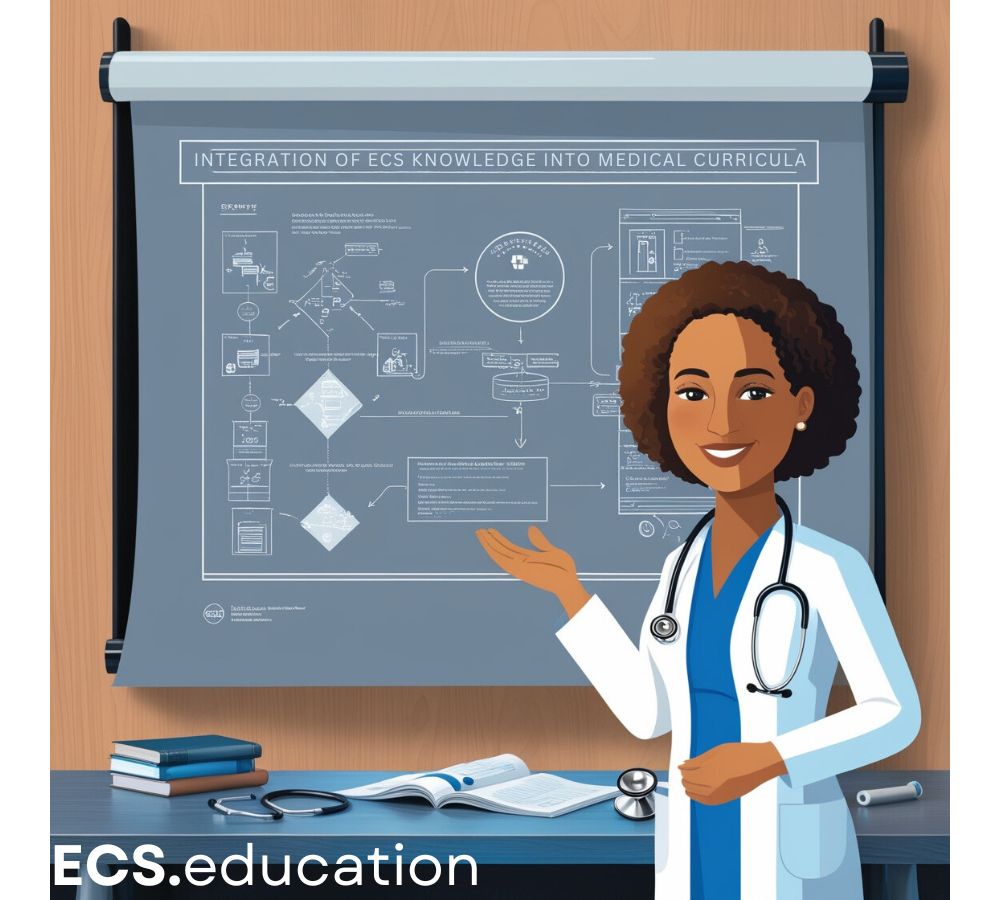
Beyond Omission: Integrating ECS into Medical Education – A Blueprint for Change
Executive Summary An analysis of the Physiological Society’s 2020 “Physiological Objectives for Medical Students” curriculum guide reveals a critical gap: the complete omission of the Endocannabinoid System (ECS). This official curriculum guidance document, which establishes core physiological knowledge for new doctors, overlooks a system fundamental to maintaining homeostasis across multiple…
Scientific Summary

Read more
The Great Medical Education Blind Spot: How 2,470 ECS Publications Go Ignored
A critical analysis of four influential publications reveals a troubling disconnect in medical education: while thousands of researchers document the Endocannabinoid System’s crucial role in homeostatic regulation, mainstream medical education continues to operate in isolation from this knowledge. This systematic exclusion creates dangerous knowledge gaps in healthcare delivery.
Scientific Summary

Read more
Beyond Calories: How Dietary Fats Shape Our Cellular Architecture and Determine our Health
Nearly two decades ago, researchers warned about the metabolic consequences of high linoleic acid consumption. This post explores how dietary fats shape our cellular architecture through endocannabinoid signaling, and why these warnings remain critically relevant today.
Scientific Summary
Read more
The Medical Cannabis Paradox: High Acceptance, Low Understanding Among Healthcare Professionals
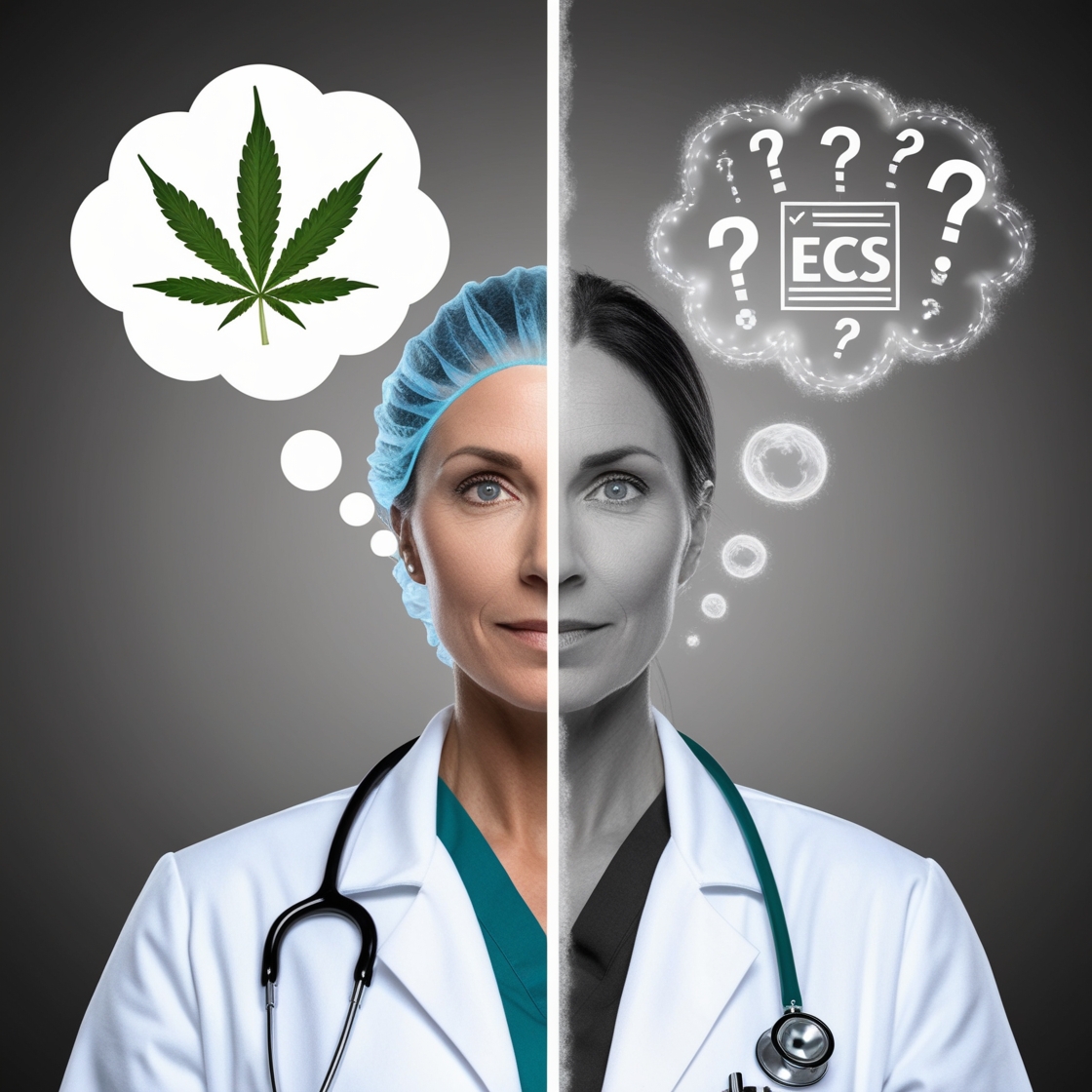
A striking paradox emerges from recent research: while 80% of healthcare professionals accept medical cannabis as legitimate therapy, less than 1% understand the endocannabinoid system through which it works. This disconnect highlights a critical gap in medical education.
Educational video
Read more
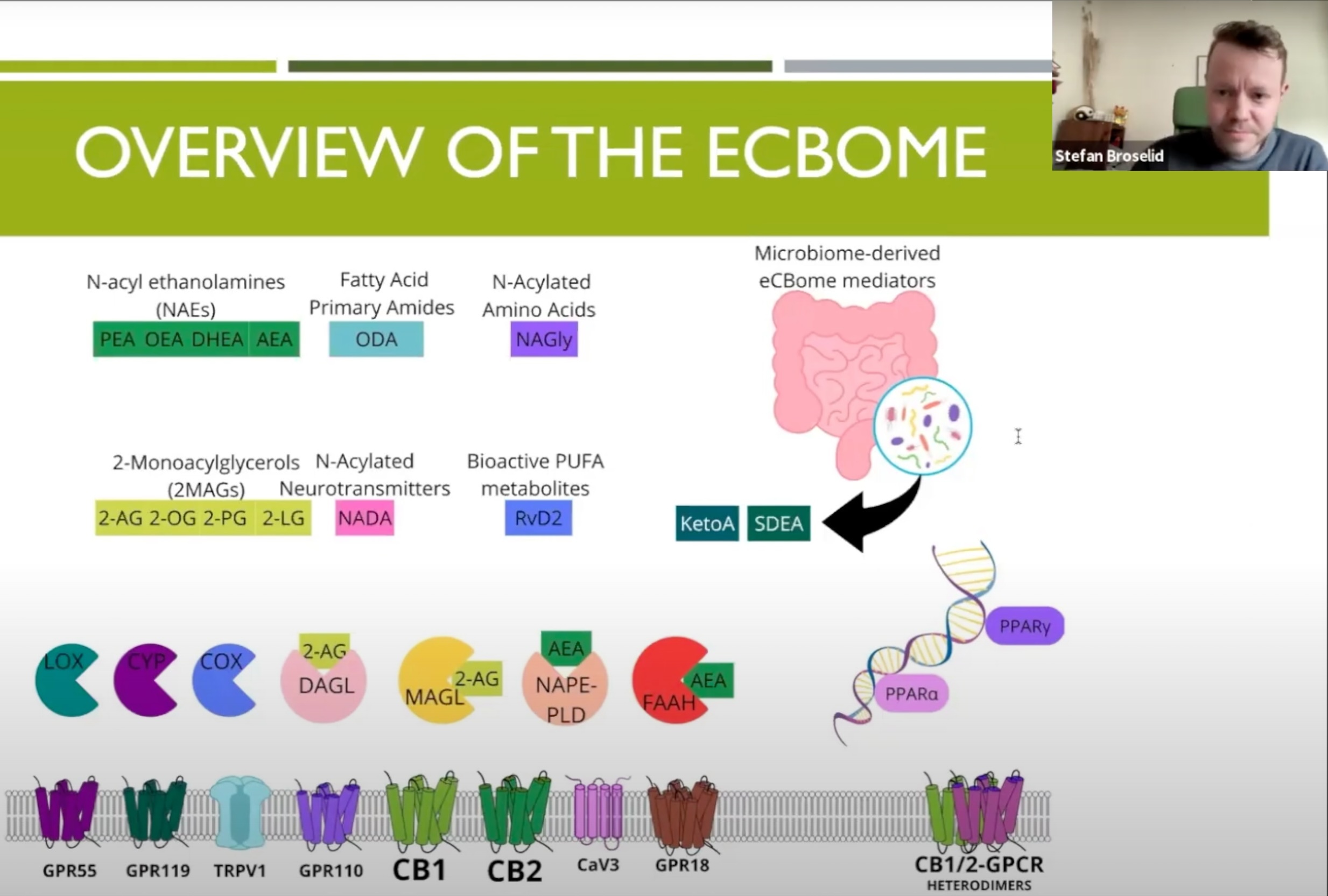
Understanding the Endocannabinoidome: A Deep Dive into Human Physiology
We’re excited to share Dr. Stefan Broselid’s comprehensive lecture on the endocannabinoidome (eCBome), presented earlier this year. This detailed presentation explores how this complex physiological system influences human health and disease. Key Topics Covered: The lecture particularly emphasizes: This presentation is especially valuable for: For a deeper understanding, we recommend…

Uncategorized
Read more
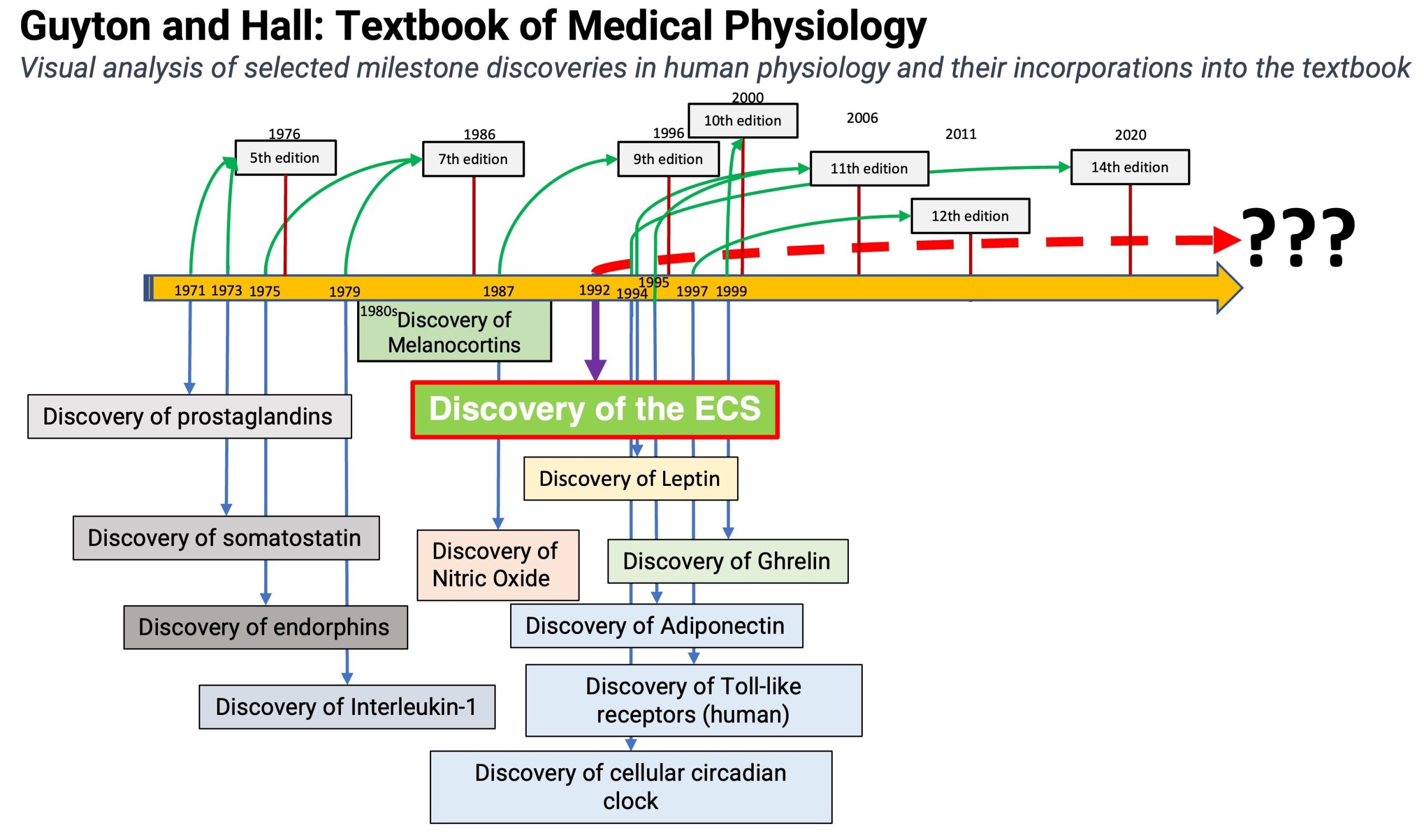
Medical Textbooks Completely Ignore the Endocannabinoid System
The Guyton and Hall Textbook of Medical Physiology, a cornerstone of medical education, has consistently overlooked the endocannabinoid system (ECS) for 32 years. This omission of a crucial physiological suprasystem from medical textbooks has far-reaching consequences for patient care and our understanding of human biology. It’s time to address this knowledge gap and ensure future healthcare providers receive comprehensive education on the ECS.