

New Evidence for the Substrate-Driven Model I came across a fascinating recent study this week in Nutritional Neuroscience that really validates something I’ve been thinking about for a while. Lima and colleagues just published research showing how diet and exercise reshape the endocannabinoid system in the brain. It all fits beautifully with what I call the substrate-driven model of ECS function. Let me walk you through what they found and why it matters. The Study: Diet, Exercise & Brain ECS The team took young rats and divided them into groups. Some got standard lab chow, others got a “palatable diet” (think: high in omega-6 fats and sugar, like a Western diet). Some rats didtreadmill training for eight weeks, others didn’t. Then they looked at CB1 receptors and NAPE-PLD enzyme levels in three key brain areas: • Hypothalamus – your energy regulation center • Frontal cortex – handles reward and decision-making…
Tag: Omega-6/omega-3 ratio
Omega-6, Mortality, and Your ECS: Unpacking the Latest UK Biobank Bombshell
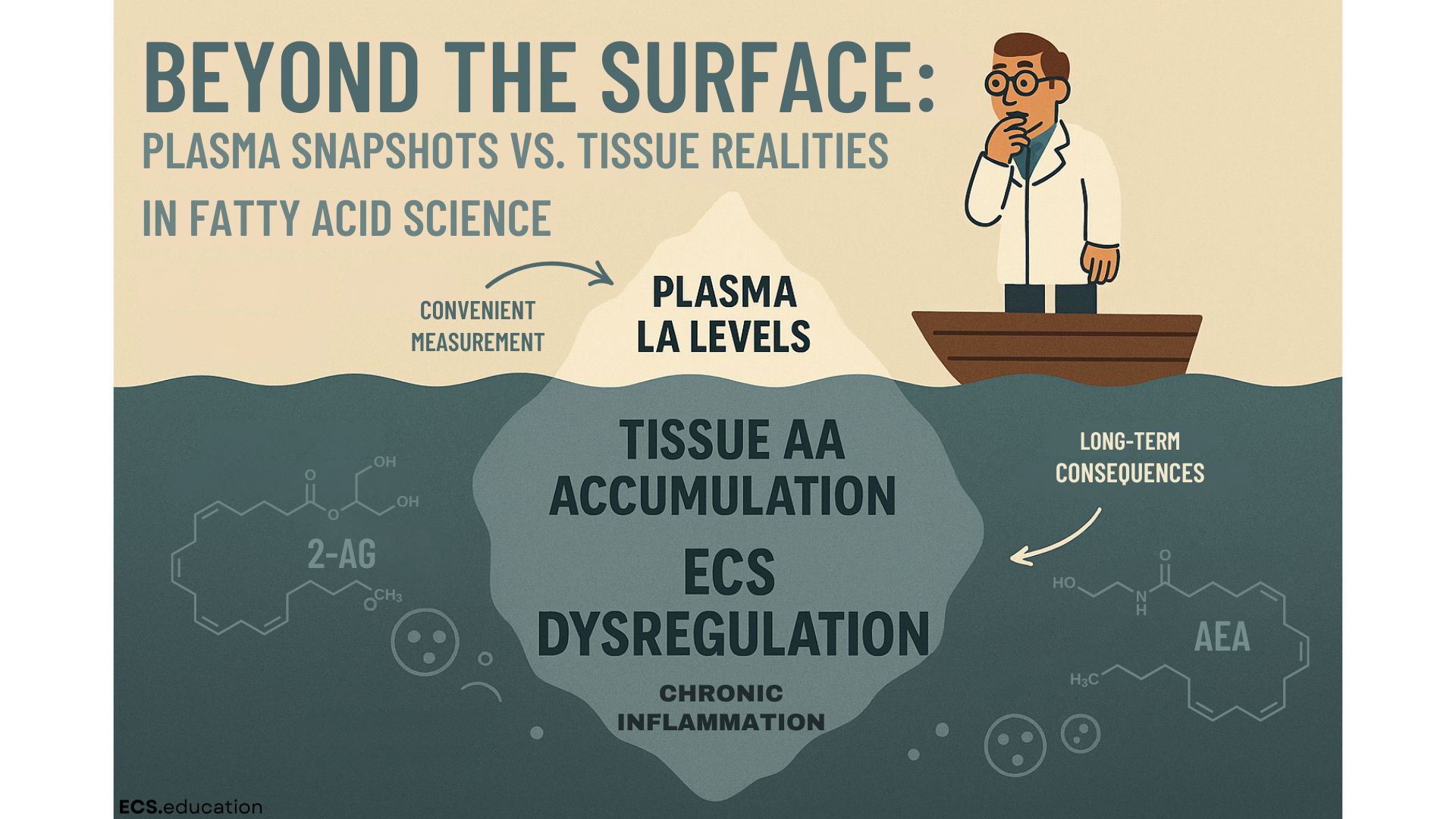
A major UK Biobank study found higher plasma linoleic acid (LA) linked to lower mortality, seemingly contradicting concerns about high dietary omega-6 driving ECS dysfunction. This post unpacks the findings, distinguishing between plasma snapshots and tissue arachidonic acid (AA) realities, and explains why the omega-6/omega-3 balance and ECS perspective remain crucial for understanding metabolic health.
The Invisible Puppeteer in Seed Oil Research
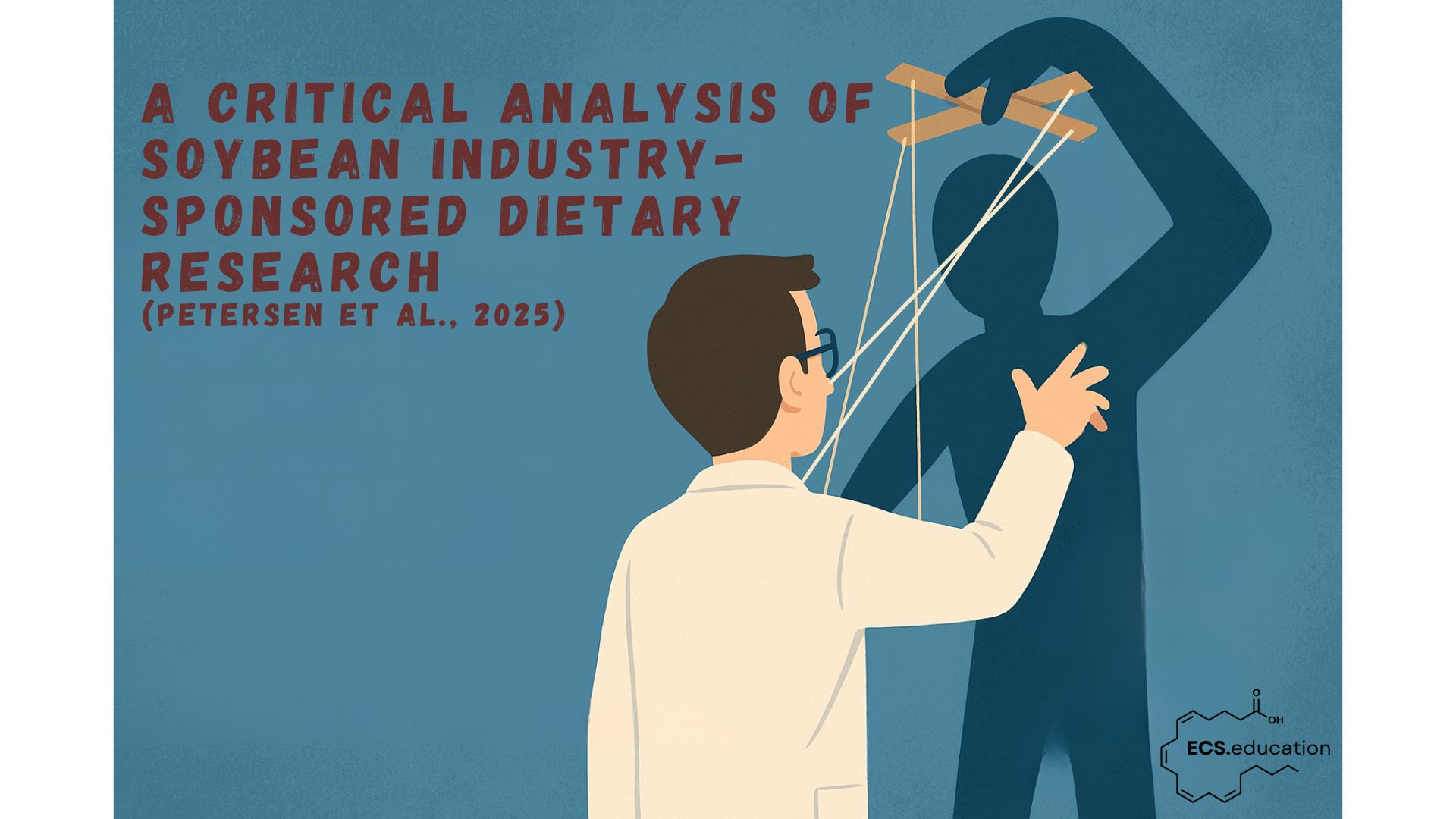
Let’s cut through the noise: Petersen et al.’s recent industry-funded narrative review, published in Nutrition Today, employs selective framing—shifting focus away from the central regulator of metabolism, the endocannabinoid system (ECS). This 600-million-year-old conductor of hunger, fat storage, and inflammation is fueled by linoleic acid (LA), yet the manuscript acts…