

Autism research has long struggled with a fundamental question: why do so many disparate findings (maternal nutrition, inflammation, mitochondrial dysfunction, environmental exposures) all seem to correlate with ASD risk? A new systematic review may have inadvertently provided the unifying answer, though the authors themselves haven’t yet connected the dots. A…
Tag: Endocannabinoid system
Endocannabinoid System (ECS)

Read more
The Biochemical Plateau: Rethinking Linoleic Acid and Heart Health
The Linoleic Acid Paradox: Protection or Peril? For decades, linoleic acid has enjoyed a privileged place in nutritional policy. It is the cornerstone of “heart-healthy” messaging, the molecular mascot of seed oils, and the quiet passenger in countless processed foods. But beneath this reputation lies a paradox: the very molecule…
Commentary

Read more
The Enzyme Inhibitor Paradox: Why Anti-Obesity Drugs Keep Failing
A new study just proved something remarkable: researchers found a way to slash insulin levels by 53% in just two hours. Food intake dropped 23%. Body weight fell within 24 hours. The pharmaceutical industry should be celebrating. Except there’s a problem. By day seven, it stopped working. Completely. The mice…
Endocannabinoid System (ECS)

Read more
Beyond the ECS: Why you absolutely need a balanced diet
Your body produces its own cannabis-like molecules. Right now, as you read this, your cells are manufacturing compounds that interact with the same receptors that THC targets. But here’s what most people don’t realize: this system extends far beyond what we traditionally call the “endocannabinoid system”, and the food on…
Endocannabinoid System (ECS)
Read more
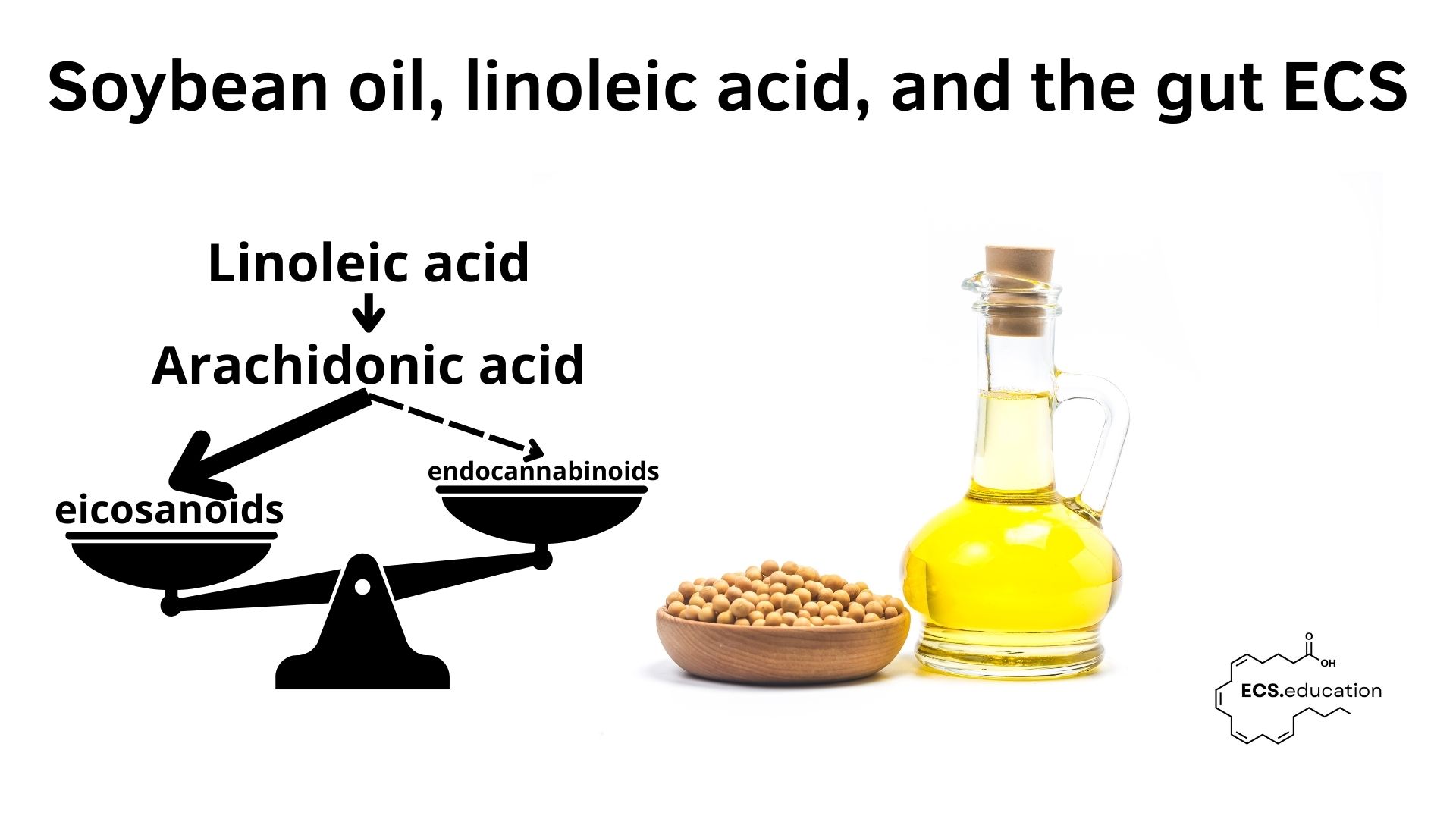
Soybean oil, linoleic acid, and the gut ECS
A recent study titled ‘Diet high in linoleic acid dysregulates the intestinal endocannabinoid system and increases susceptibility to colitis in Mice‘ shows that eating a lot of linoleic acid from soybean oil changes lipid chemistry in the gut in a way that weakens the protective endocannabinoid system and strengthens inflammatory…
Announcements
Read more
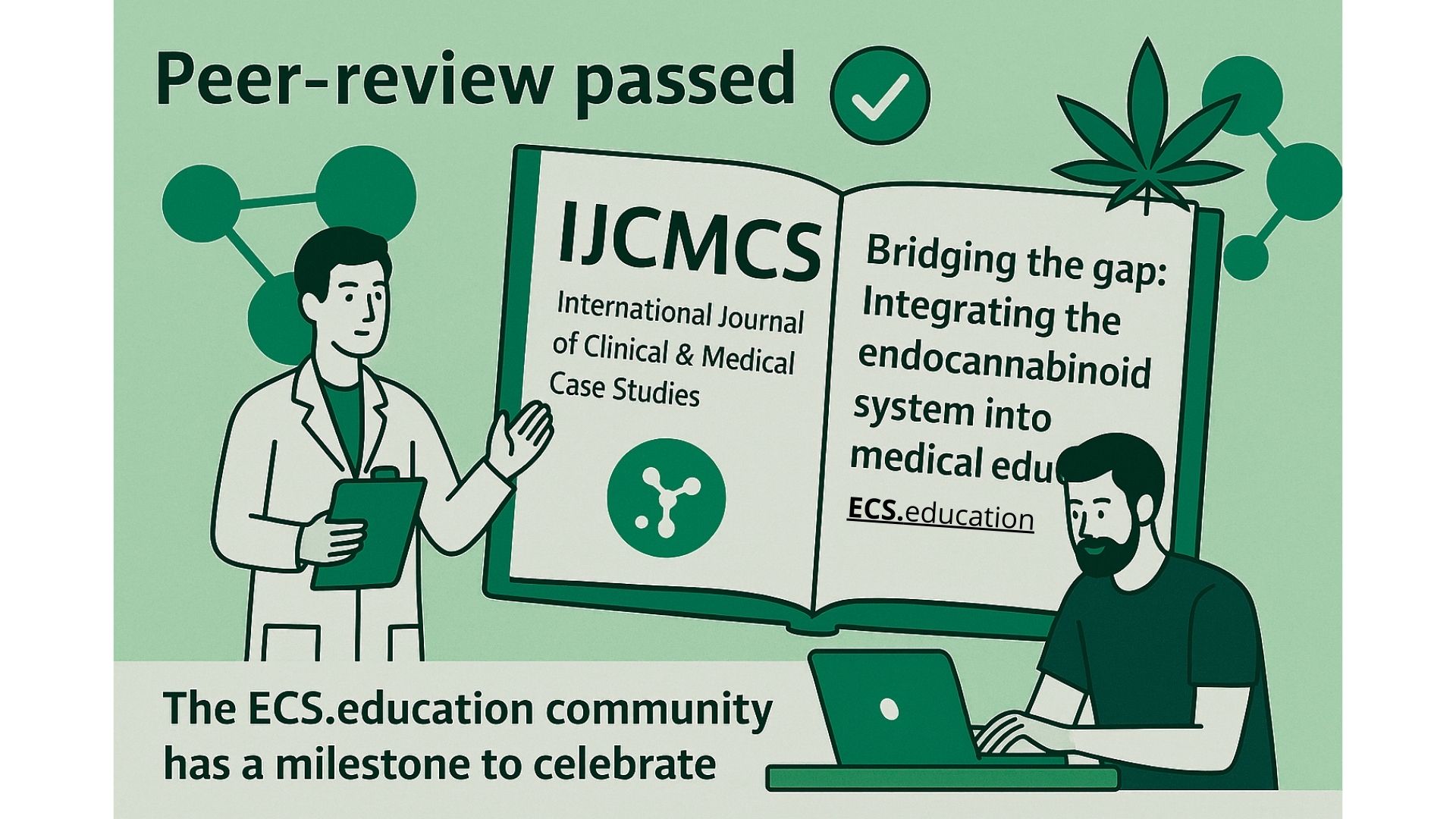
From Preprint to Peer Review: ECS.education Paper Accepted in IJCMCS
The ECS.education community has a milestone to celebrate: our manuscript, “Bridging the gap: Integrating the endocannabinoid system into medical education,” has passed independent, double‑blind peer review and is now published in the International Journal of Clinical & Medical Case Studies (IJCMCS). Built around three cornerstone ECS.education analyses, the paper consolidates…
Commentary
Read more
How Scientific Tunnel Vision in Inflammation Research Ignores the Endocannabinoid System (ECS)
When scientific tunnel vision becomes institutional blindness Lessons from history’s scientific blind spots Science has a troubling habit of missing the forest for the trees. For decades, gastroenterologists dismissed the idea that bacteria could cause stomach ulcers—until Barry Marshall proved Helicobacter pylori was the culprit by infecting himself. Geologists ridiculed…
Endocannabinoid System (ECS)
Read more
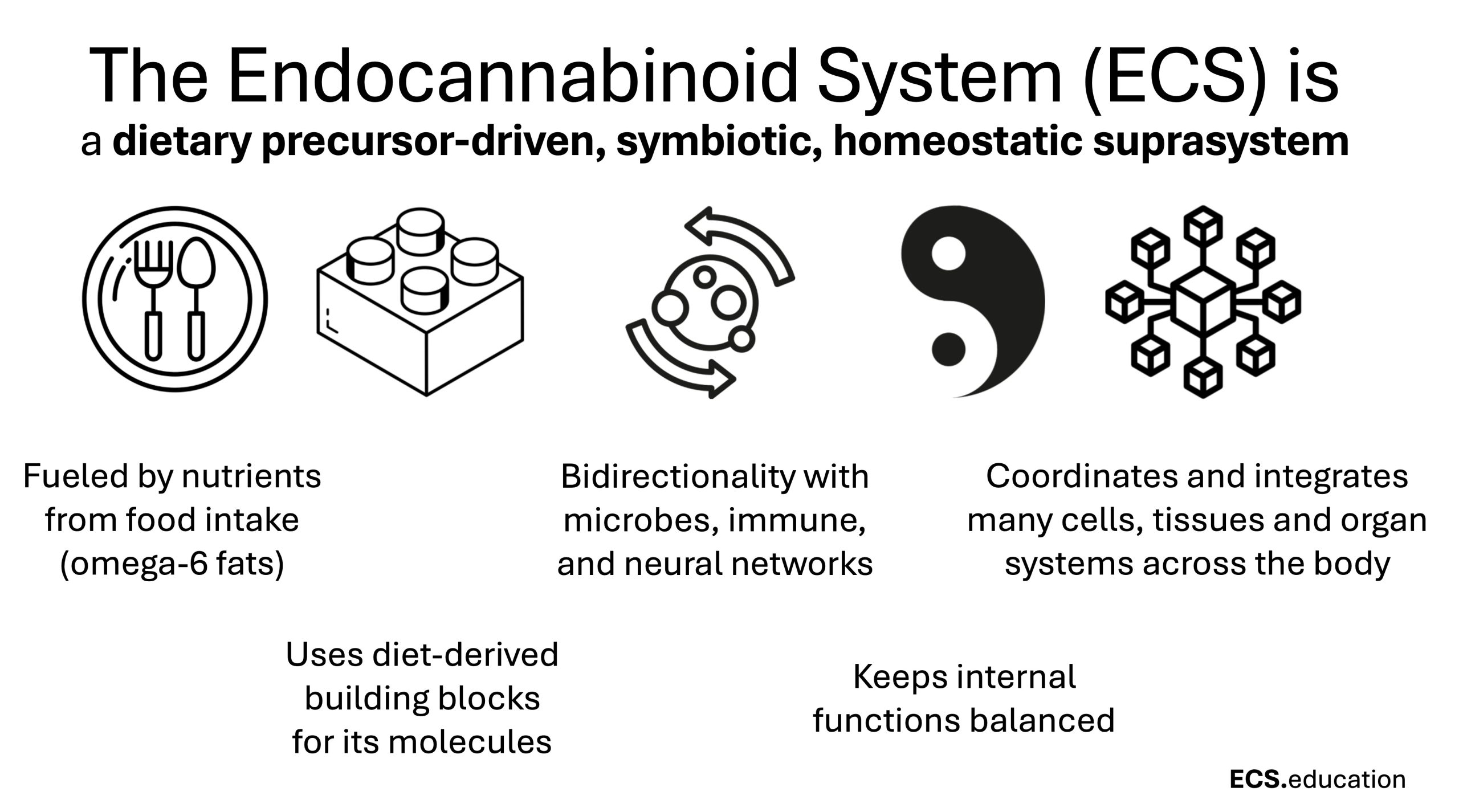
The Endocannabinoid System: Dietary Precursor-Driven ECS & Medical Education Gap
The Misunderstood Master Regulator The endocannabinoid system (ECS) is often considered the “cannabis system,” but this label ignores its true—and far broader and more important—role in holistic health. Instead of being defined by external substances, the ECS is a dietary precursor-driven, symbiotic, homeostatic suprasystem: a dynamic physiological network that maintains body-wide…
Endocannabinoid System (ECS)

Read more
Obesity Rewires Your Endocannabinoid System (ECS): How Fat, Liver, Heart & Brain Are Transformed
Obesity is more than excess fat—it’s a disorder of endocannabinoid system (ECS) dysfunction. Explore how obesity rewires CB1 signaling in fat, liver, heart, and brain, driving chronic disease.
Endocannabinoid System (ECS)
Read more
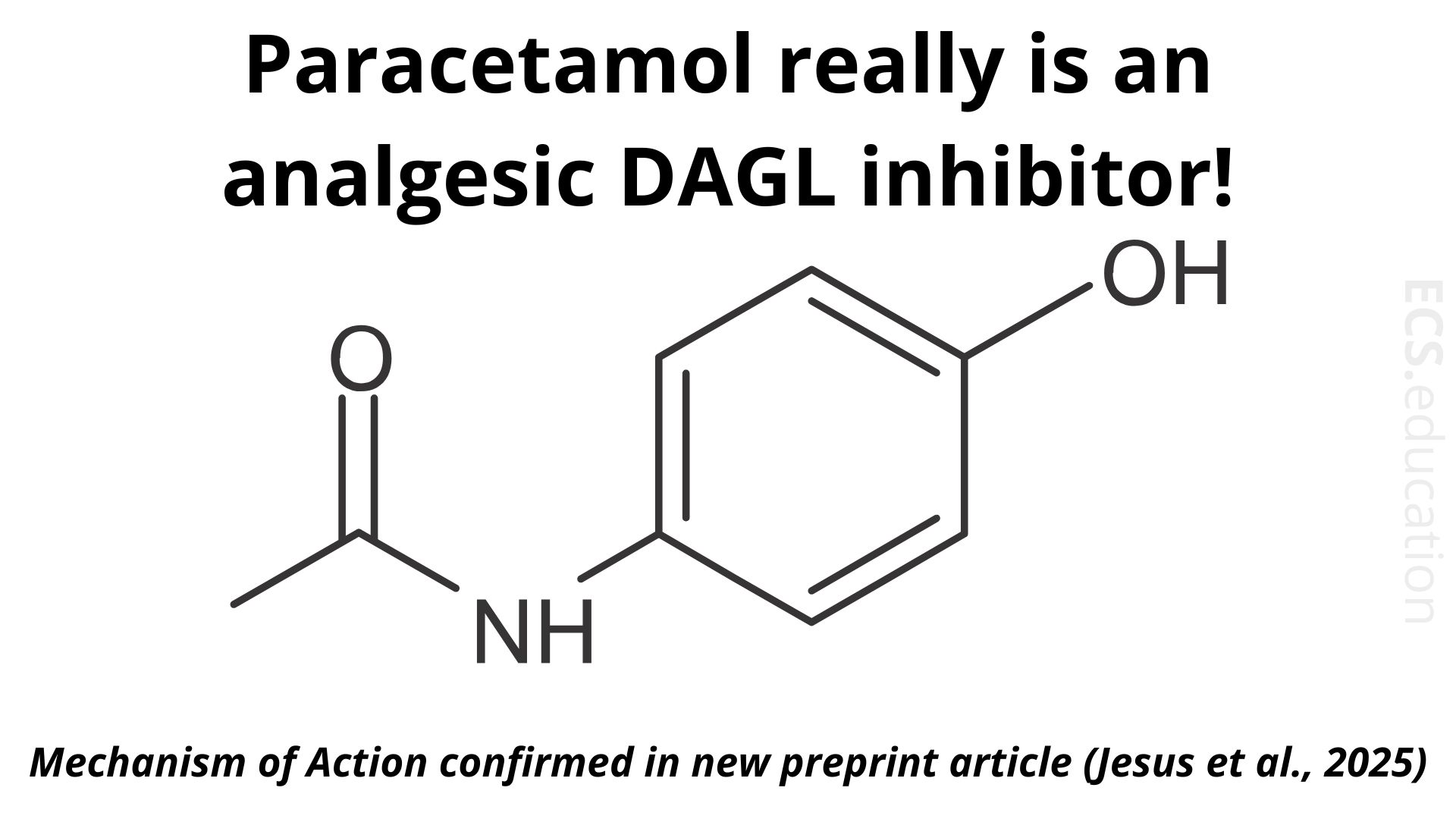
Paracetamol Confirmed as a Direct Analgesic DAGL Inhibitor: New Preprint Evidence
Important Note: This blog post discusses findings from a recent scientific preprint, meaning the research has not yet been formally peer-reviewed. Preprints allow for rapid dissemination of findings, but results should be interpreted cautiously until confirmed by peer-reviewed publication. Recently, we reported on a surprising new way that paracetamol (also known…