
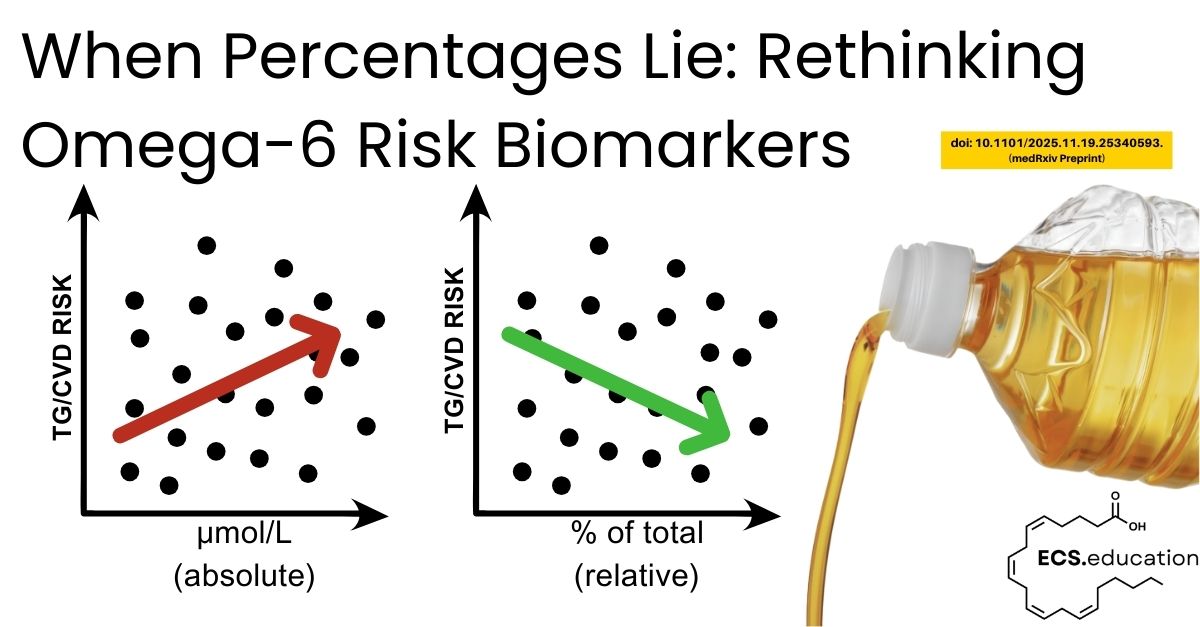
The blind spot in fatty acid epidemiology Since the 1960s, most circulating fatty acid data have been reported as “percent of total” rather than as absolute concentrations, because gas chromatography methods naturally produce compositional peak areas that are easy to turn into percentages (Sergeant et al., 2016; Lagerstedt et al.,…
Tag: ECS.education
Endocannabinoid System (ECS)

Read more
The Biochemical Plateau: Rethinking Linoleic Acid and Heart Health
The Linoleic Acid Paradox: Protection or Peril? For decades, linoleic acid has enjoyed a privileged place in nutritional policy. It is the cornerstone of “heart-healthy” messaging, the molecular mascot of seed oils, and the quiet passenger in countless processed foods. But beneath this reputation lies a paradox: the very molecule…
Commentary

Read more
The Enzyme Inhibitor Paradox: Why Anti-Obesity Drugs Keep Failing
A new study just proved something remarkable: researchers found a way to slash insulin levels by 53% in just two hours. Food intake dropped 23%. Body weight fell within 24 hours. The pharmaceutical industry should be celebrating. Except there’s a problem. By day seven, it stopped working. Completely. The mice…
Announcements
Read more
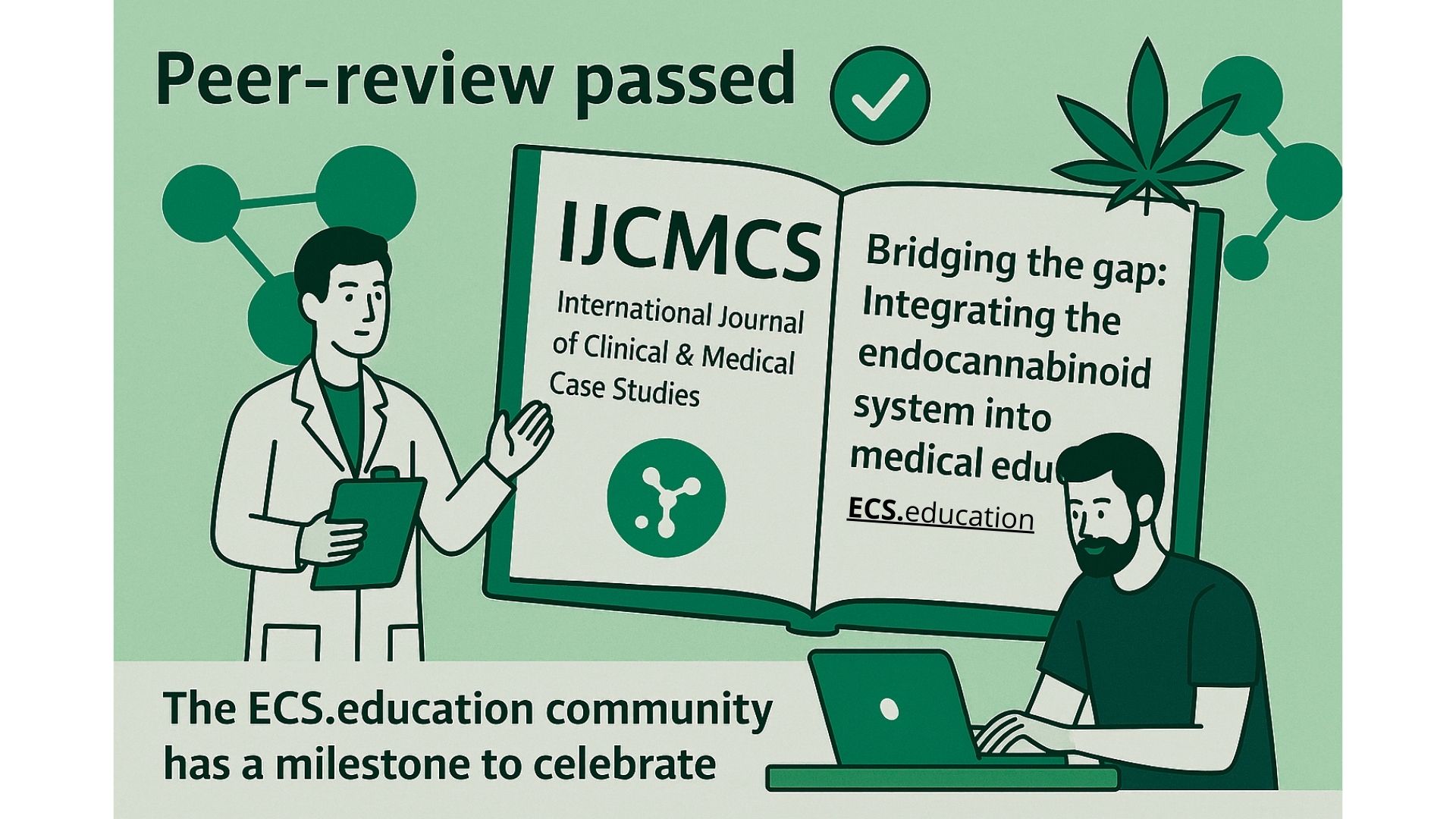
From Preprint to Peer Review: ECS.education Paper Accepted in IJCMCS
The ECS.education community has a milestone to celebrate: our manuscript, “Bridging the gap: Integrating the endocannabinoid system into medical education,” has passed independent, double‑blind peer review and is now published in the International Journal of Clinical & Medical Case Studies (IJCMCS). Built around three cornerstone ECS.education analyses, the paper consolidates…
Endocannabinoid System (ECS)

Read more
Obesity Rewires Your Endocannabinoid System (ECS): How Fat, Liver, Heart & Brain Are Transformed
Obesity is more than excess fat—it’s a disorder of endocannabinoid system (ECS) dysfunction. Explore how obesity rewires CB1 signaling in fat, liver, heart, and brain, driving chronic disease.
Scientific Summary
Read more
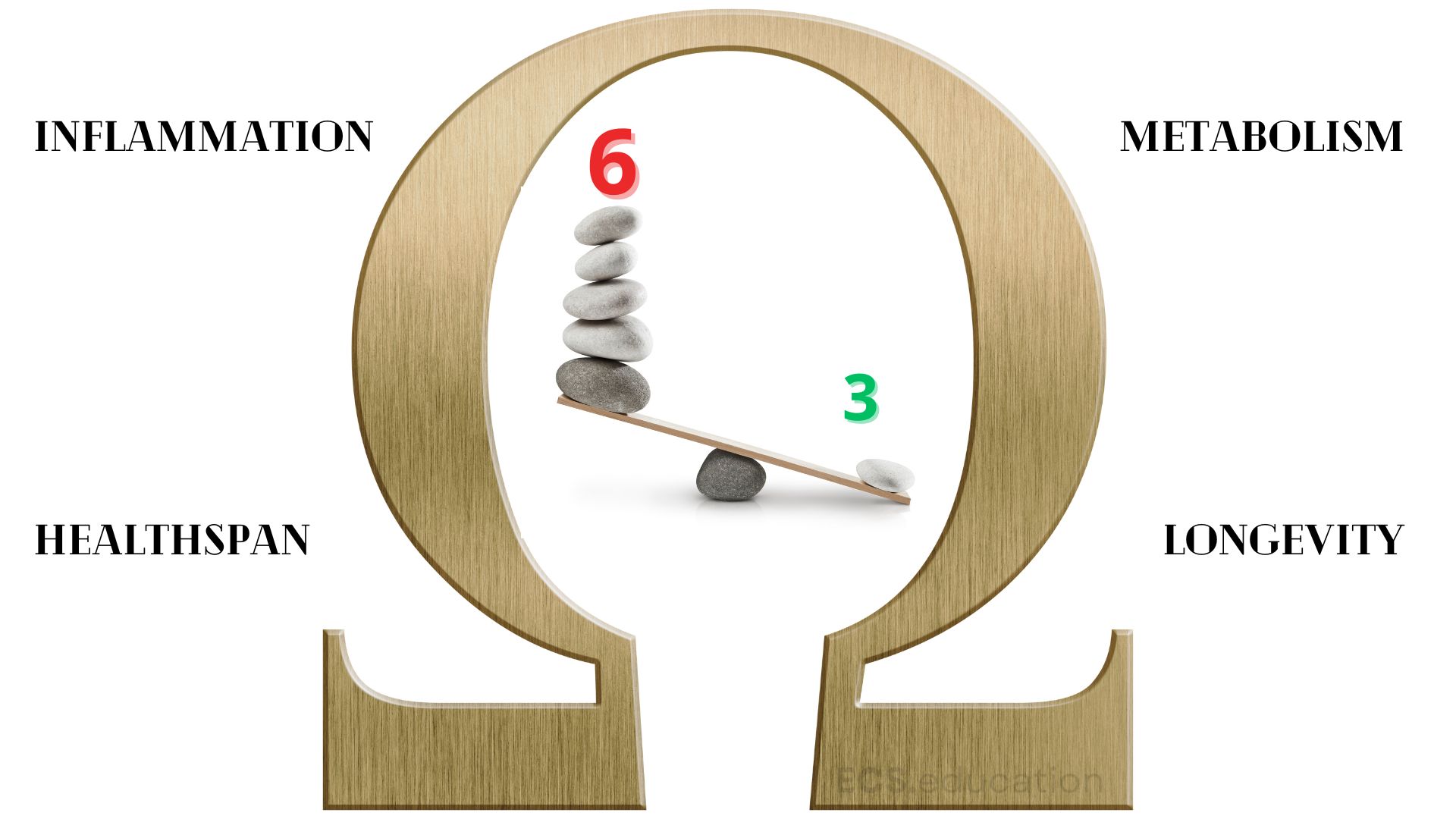
Dietary Omega-3/6 Balance: New Research Links Fatty Acid Ratios to Chronic Disease and Longevity
New research reveals countries with high omega-3 consumption enjoy 2.63 extra years of healthy life expectancy compared to nations with typical Western diets. Groundbreaking clinical evidence shows omega-6 fatty acids increase inflammatory markers while omega-3s counteract these effects. Your starting omega-3/6 baseline significantly impacts how your body responds to dietary interventions, offering new insights for personalized nutrition approaches.
The Missing Link in Medicine: How the Endocannabinoid System (ECS) could Revolutionize Healthcare
Why isn’t the endocannabinoid system (ECS) taught in medical schools? This ancient system regulates hunger, pain, metabolism, and immunity—and it’s under attack from processed foods and outdated education. Learn how omega-6 fats disrupt the ECS, drive chronic disease, and what we can do to fix healthcare. Share this video to…
Commentary

Read more
Challenging the Daily Mail: The Science Behind Medical Cannabis for ADHD and Menopause
Professor Sir Robin Murray’s claim that ‘cannabis has the same effect as drinking a pint’ for psychological conditions, published in the Daily Mail, oversimplifies the science behind medical cannabis. This commentary explores the evidence supporting cannabis as a therapeutic option for ADHD and menopause while addressing misconceptions about its efficacy and safety.
Educational video

Read more
Understanding Medical Cannabis and the ECS
The endocannabinoid system (ECS) is one of the most important physiological systems in our body, regulating processes like mood, sleep, and pain. Yet, many healthcare professionals know little about it. This disconnect becomes even more striking when paired with the high but till growing acceptance of medical cannabis as a…
Critical analysis

Read more
Beyond Omission: Integrating ECS into Medical Education – A Blueprint for Change
Executive Summary An analysis of the Physiological Society’s 2020 “Physiological Objectives for Medical Students” curriculum guide reveals a critical gap: the complete omission of the Endocannabinoid System (ECS). This official curriculum guidance document, which establishes core physiological knowledge for new doctors, overlooks a system fundamental to maintaining homeostasis across multiple…