
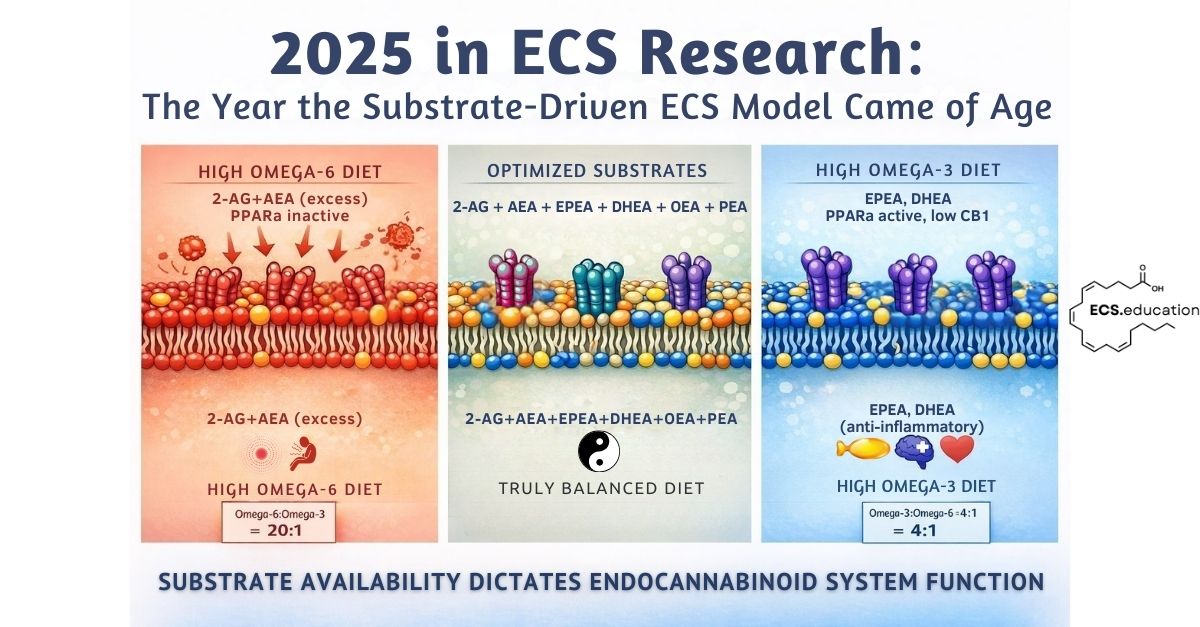
Endocannabinoid system substrate—specifically membrane fatty acid composition—is the primary determinant of CB1 receptor function, not genetics or receptor density. For years, I’ve been making the case that endocannabinoid system function is not primarily about receptor density or genetic variants, it’s about substrate availability. The composition of fatty acids in cell…
Tag: ECS education
Drug Policy

Read more
The Swedish Sin: When Evidence-Based Medicine Meets Bureaucratic Barriers
Sweden claims to have medical cannabis. We tell patients it’s legal. But TLV threatens to make it financially inaccessible (60,000 vs 2,900 SEK/year), regions threaten to fire doctors who prescribe it, and medical schools don’t teach the biology. How bureaucratic ignorance kills a medical intervention without ever banning it.
Endocannabinoid System (ECS)

Read more
The Biochemical Plateau: Rethinking Linoleic Acid and Heart Health
The Linoleic Acid Paradox: Protection or Peril? For decades, linoleic acid has enjoyed a privileged place in nutritional policy. It is the cornerstone of “heart-healthy” messaging, the molecular mascot of seed oils, and the quiet passenger in countless processed foods. But beneath this reputation lies a paradox: the very molecule…
Commentary

Read more
The Enzyme Inhibitor Paradox: Why Anti-Obesity Drugs Keep Failing
A new study just proved something remarkable: researchers found a way to slash insulin levels by 53% in just two hours. Food intake dropped 23%. Body weight fell within 24 hours. The pharmaceutical industry should be celebrating. Except there’s a problem. By day seven, it stopped working. Completely. The mice…
Commentary
Read more
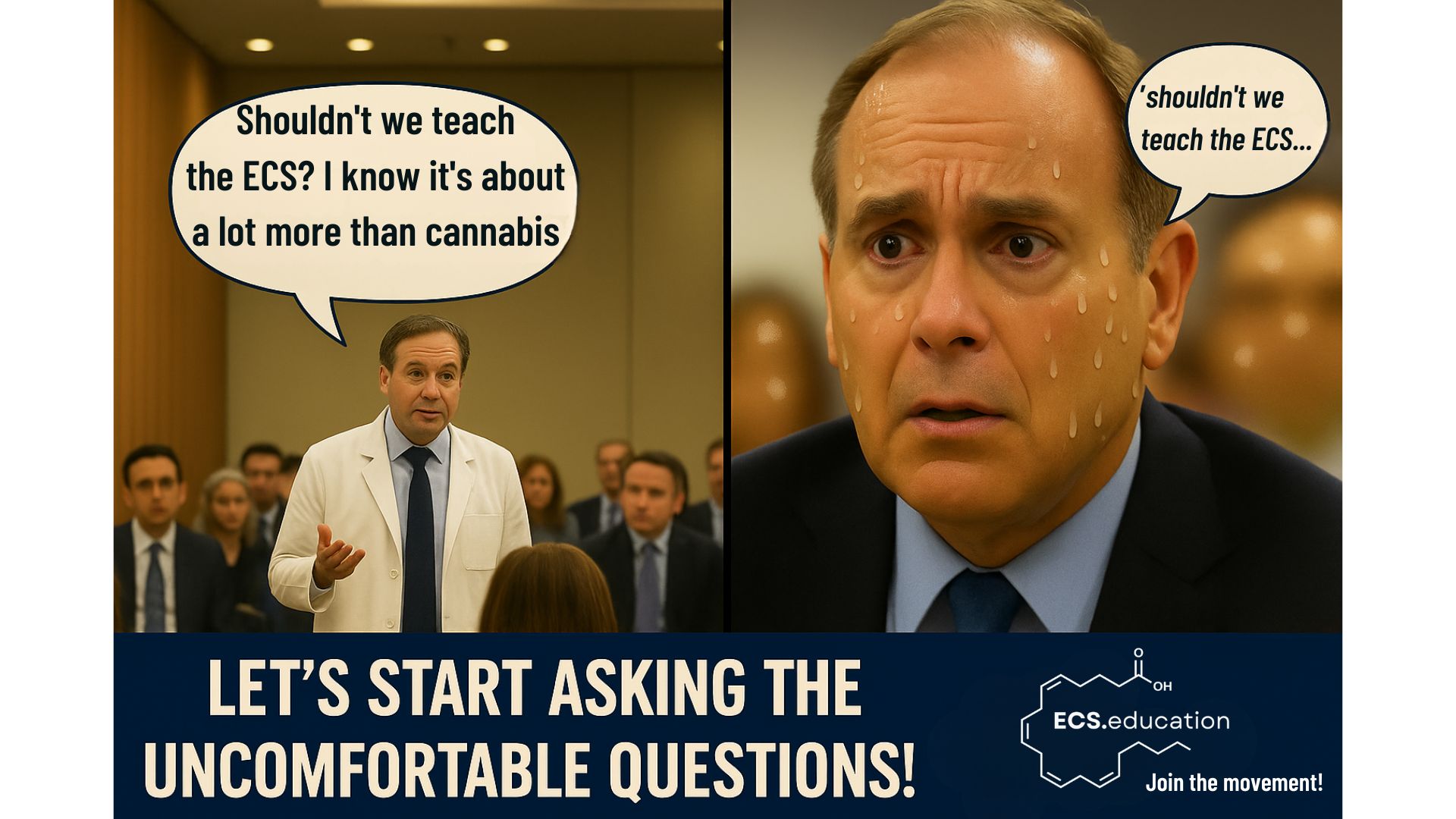
Let’s Start Asking the Uncomfortable Questions about the ECS
A half-century of medical curricula has overlooked one of human physiology’s master regulators—the endocannabinoid system (ECS). But the conversation is shifting. In faculty rooms across the world, one question is changing the temperature: “Shouldn’t we teach the ECS?” Educational omissions translate directly into gaps in patient care. Closing both is imperative. Every revolution…
Endocannabinoid System (ECS)
Read more
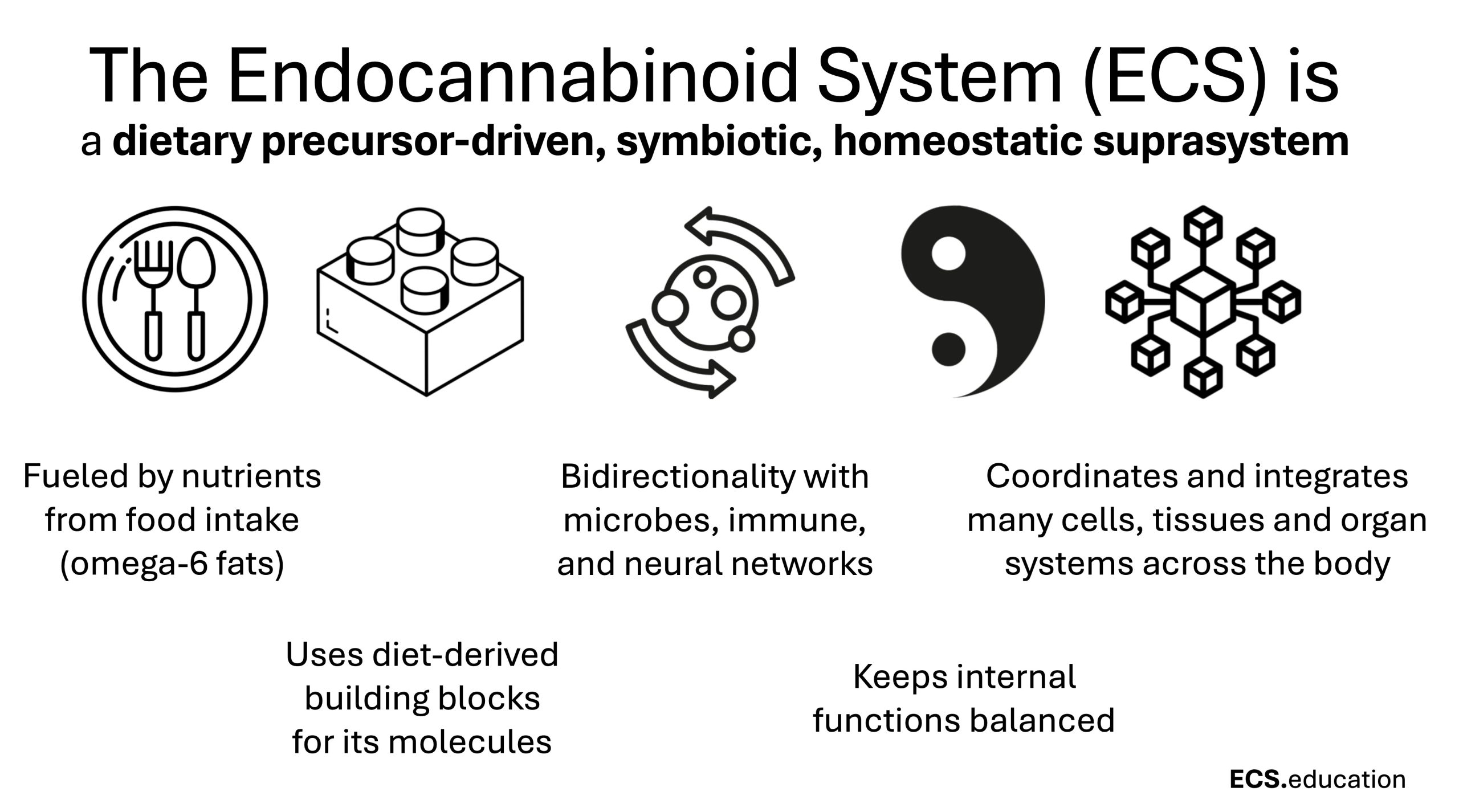
The Endocannabinoid System: Dietary Precursor-Driven ECS & Medical Education Gap
The Misunderstood Master Regulator The endocannabinoid system (ECS) is often considered the “cannabis system,” but this label ignores its true—and far broader and more important—role in holistic health. Instead of being defined by external substances, the ECS is a dietary precursor-driven, symbiotic, homeostatic suprasystem: a dynamic physiological network that maintains body-wide…
Endocannabinoid System (ECS)

Read more
Obesity Rewires Your Endocannabinoid System (ECS): How Fat, Liver, Heart & Brain Are Transformed
Obesity is more than excess fat—it’s a disorder of endocannabinoid system (ECS) dysfunction. Explore how obesity rewires CB1 signaling in fat, liver, heart, and brain, driving chronic disease.
Endocannabinoid System (ECS)

Read more
The Agmatine-ECS-ASD Connection: New Hope for ASD by Boosting 2-AG and Calming the Brain
Explore groundbreaking research on agmatine’s connection to the endocannabinoid system (ECS) in Autism (ASD). Discover how it may boost 2-AG, calm brain inflammation, and offer new hope for understanding and potentially supporting ASD.
Critical analysis

Read more
Beyond Omission: Integrating ECS into Medical Education – A Blueprint for Change
Executive Summary An analysis of the Physiological Society’s 2020 “Physiological Objectives for Medical Students” curriculum guide reveals a critical gap: the complete omission of the Endocannabinoid System (ECS). This official curriculum guidance document, which establishes core physiological knowledge for new doctors, overlooks a system fundamental to maintaining homeostasis across multiple…
Scientific Summary

Read more
Beyond Calories: How Dietary Fats Shape Our Cellular Architecture and Determine our Health
Nearly two decades ago, researchers warned about the metabolic consequences of high linoleic acid consumption. This post explores how dietary fats shape our cellular architecture through endocannabinoid signaling, and why these warnings remain critically relevant today.